
Gallery
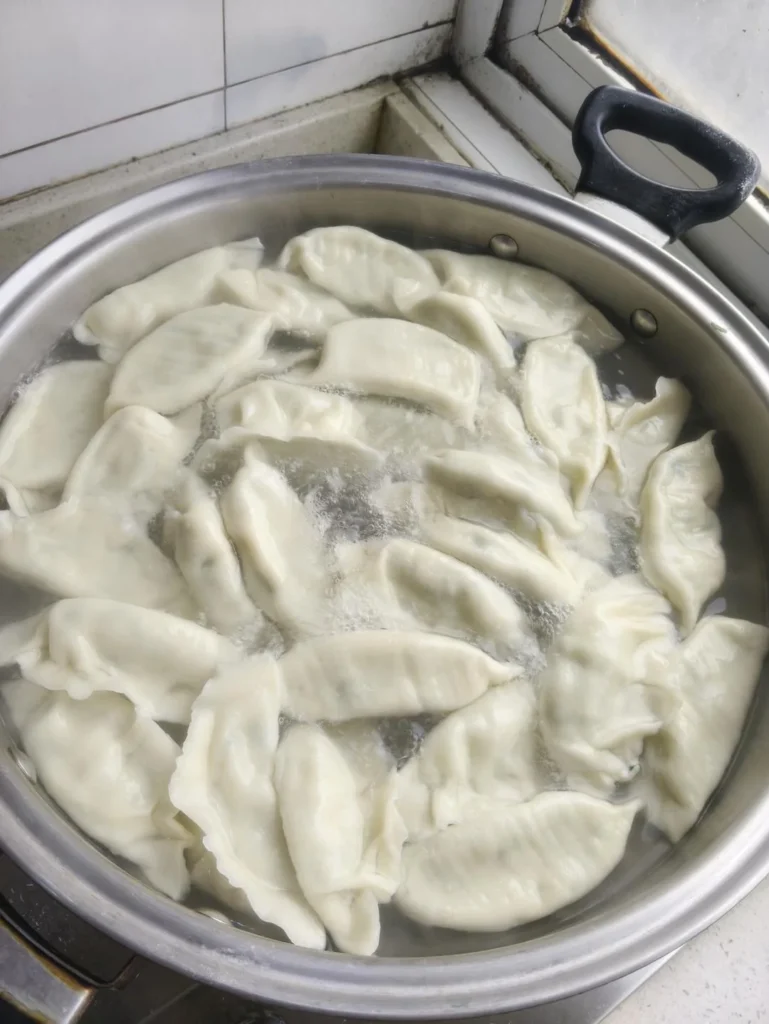
Spanish Mackerel Dumplings — From Sea to Table
It’s all about transforming a whole mackerel into delicious mackerel dumplings. A delicious Spanish Mackerel Dumplings — From Sea to Table recipe.
- Prep
- 54m
- Cook
- 1h 30m
- Total
- 2h 24m
- Servings
- 4
- Difficulty
- Intermediate
- Spice
- 1/5
- Cuisine
- Chinese
IngredientsWhat you'll need for Spanish Mackerel Dumplings — From Sea to Table
| Ingredient | Amount |
|---|---|
| Spanish mackerel | |
| Chinese chives | |
| All-purpose flour | |
| Lard or peanut oil | |
| Salt | |
| Scallion | |
| Ginger | |
| Egg white | 1 as needed |
- Spanish mackerel
- Chinese chives
- All-purpose flour
- Lard or peanut oil
- Salt
- Scallion
- Ginger
- Egg white1 as needed
Cooking StepsHow to cook Spanish Mackerel Dumplings — From Sea to Table step by step
-
 Step 1
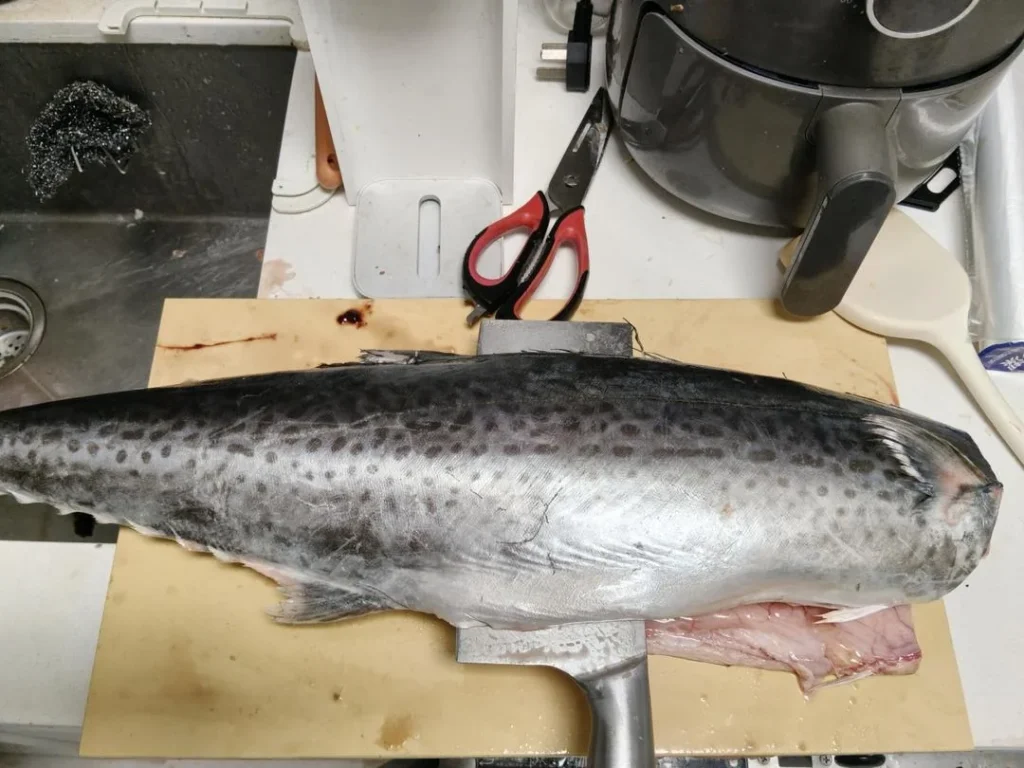
First, prep the mackerel: chop off the head, remove the gills, and rinse clean.
-
 Step 2
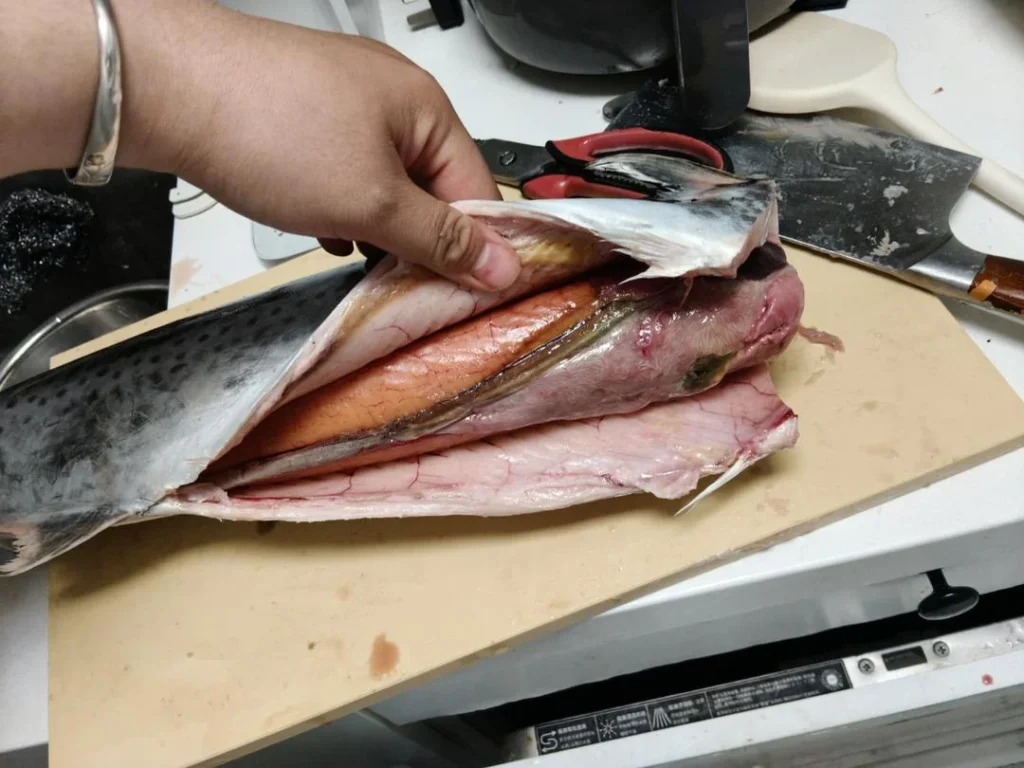
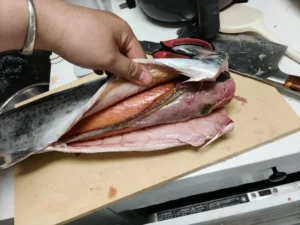
Cut open the belly, discard the innards, but save the roe.
-
 Step 3
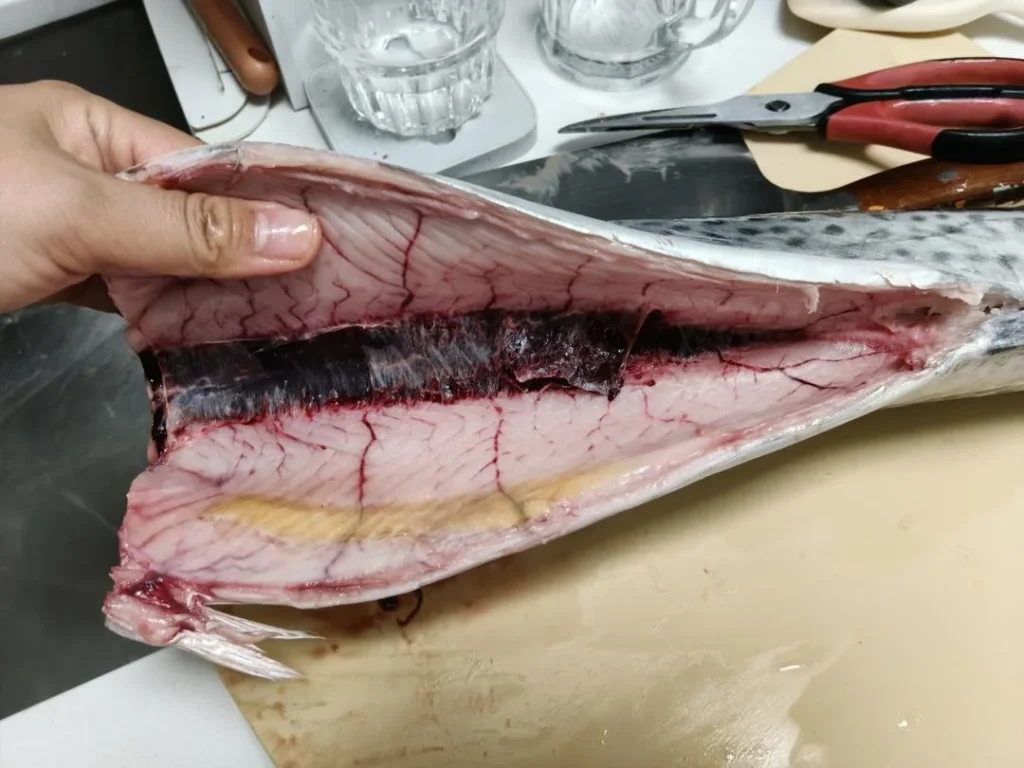
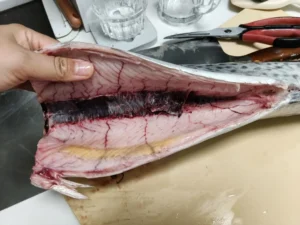
Remove the blood along the backbone and thoroughly clean the inside of the belly.
-
 Step 4
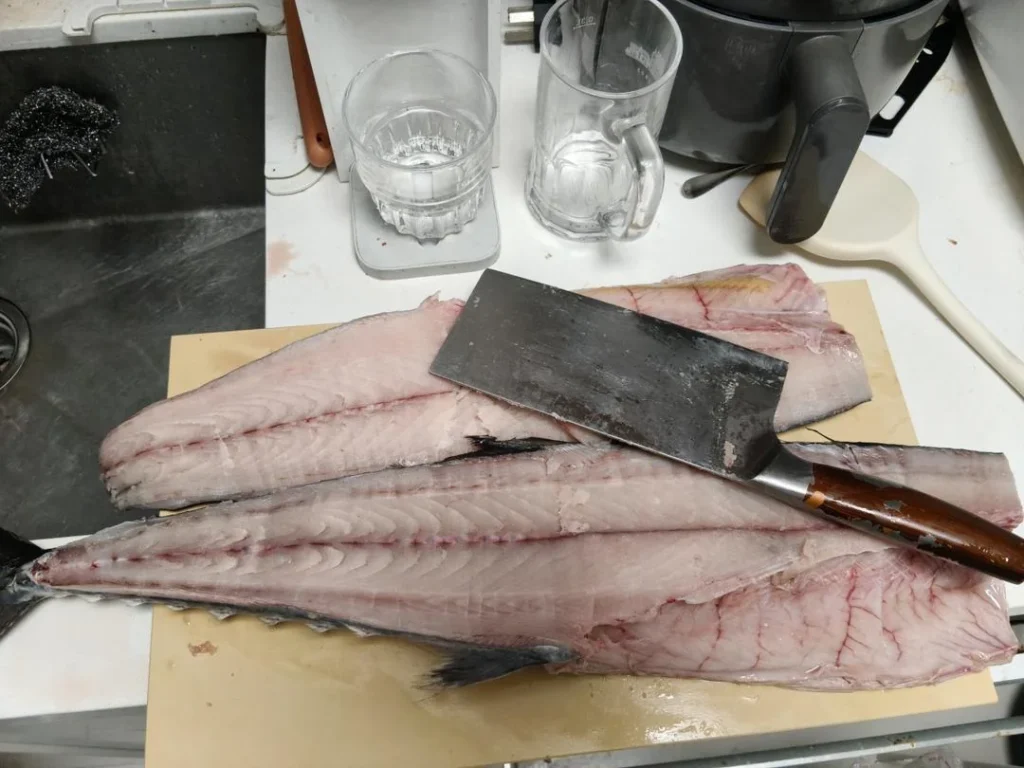
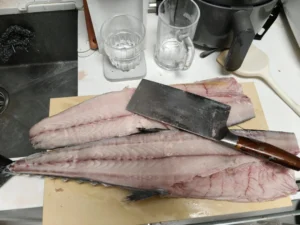
Fillet the fish by cutting along the backbone to split it open.
-
 Step 5
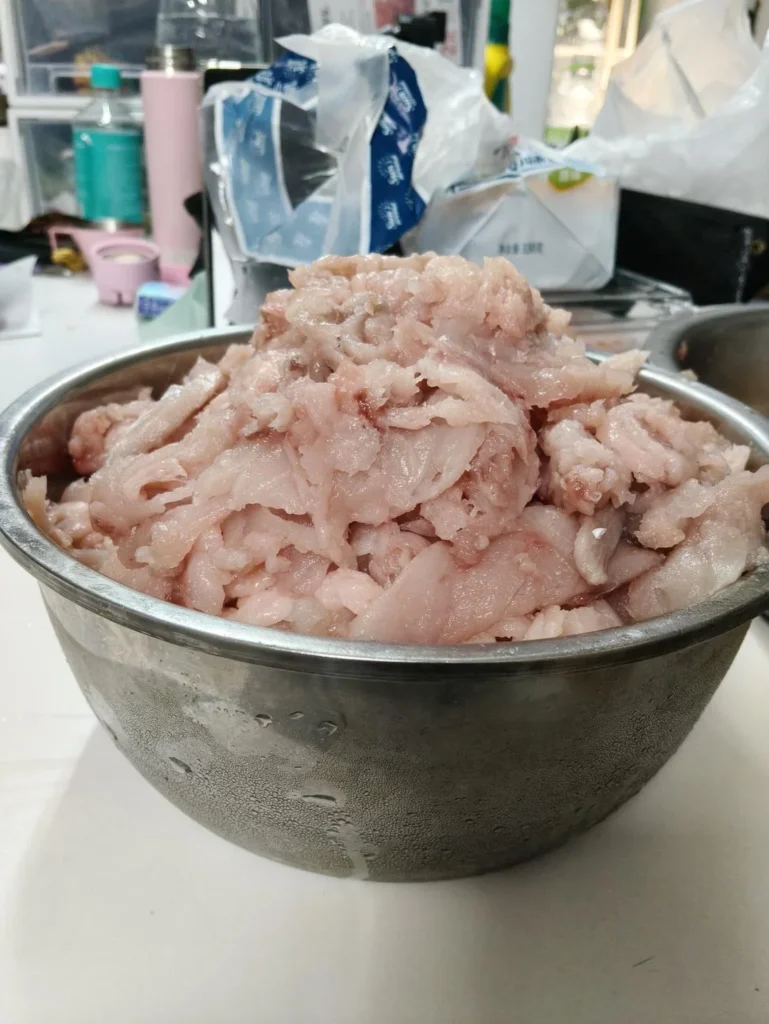
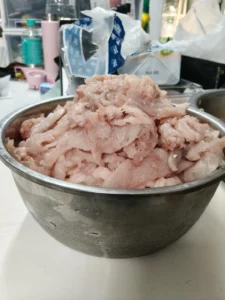
Use a stainless steel spoon to scrape the flesh off the skin, keeping only the white meat and discarding the dark/red meat (which sits against the skin in the center of each fillet).
-
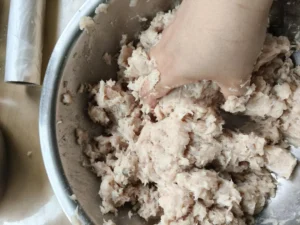 Step 6
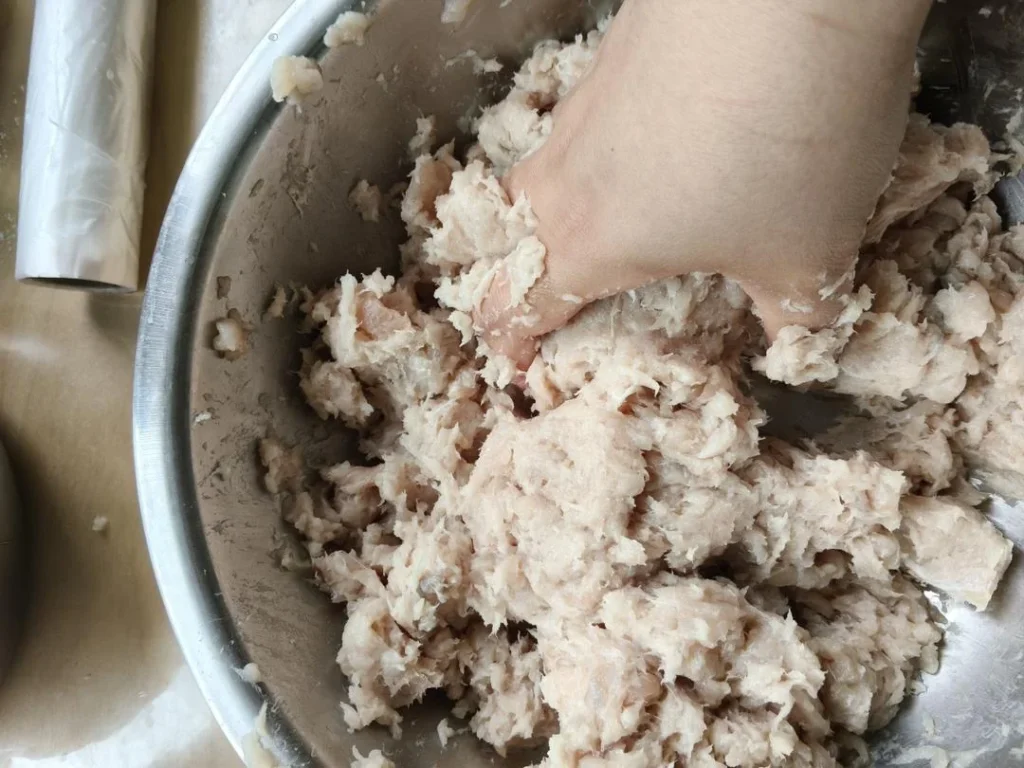
The scraped flesh may still have some larger pieces — knead it by hand into a smooth, uniform fish paste.
-
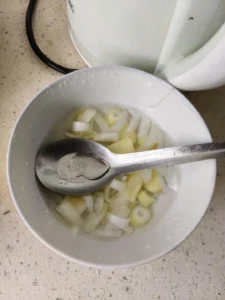 Step 7
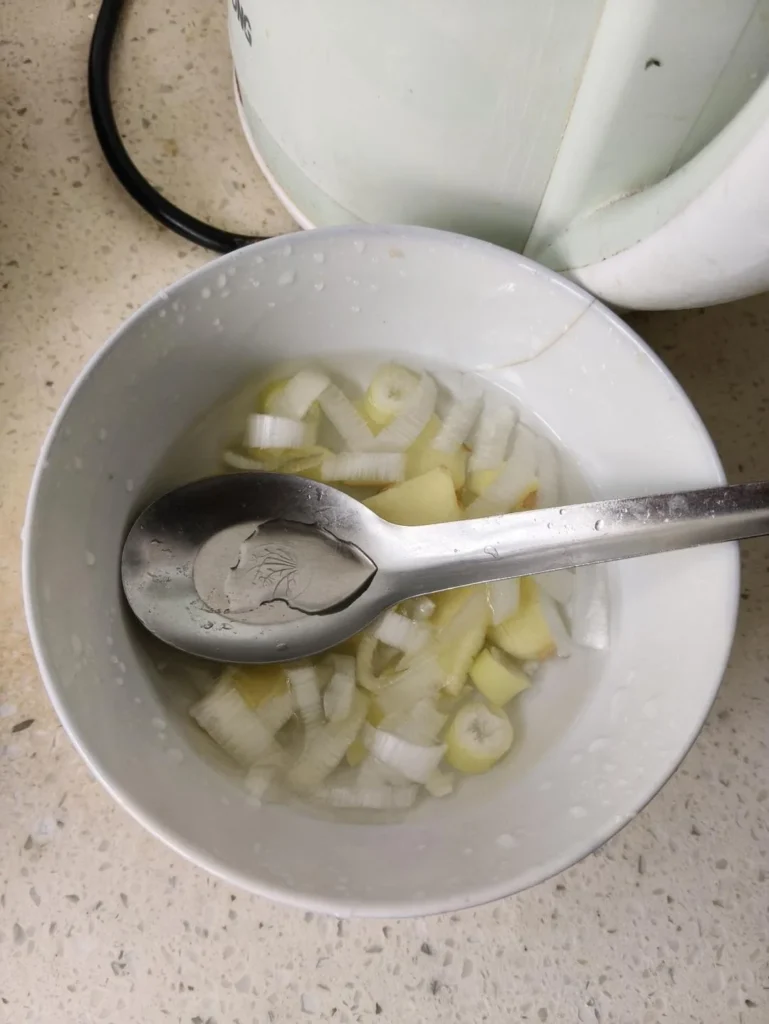
Prepare a large bowl of scallion-ginger water (you may need two bowls — adjust based on how wet the filling is).
-
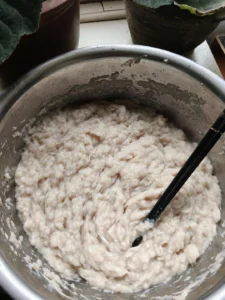 Step 8
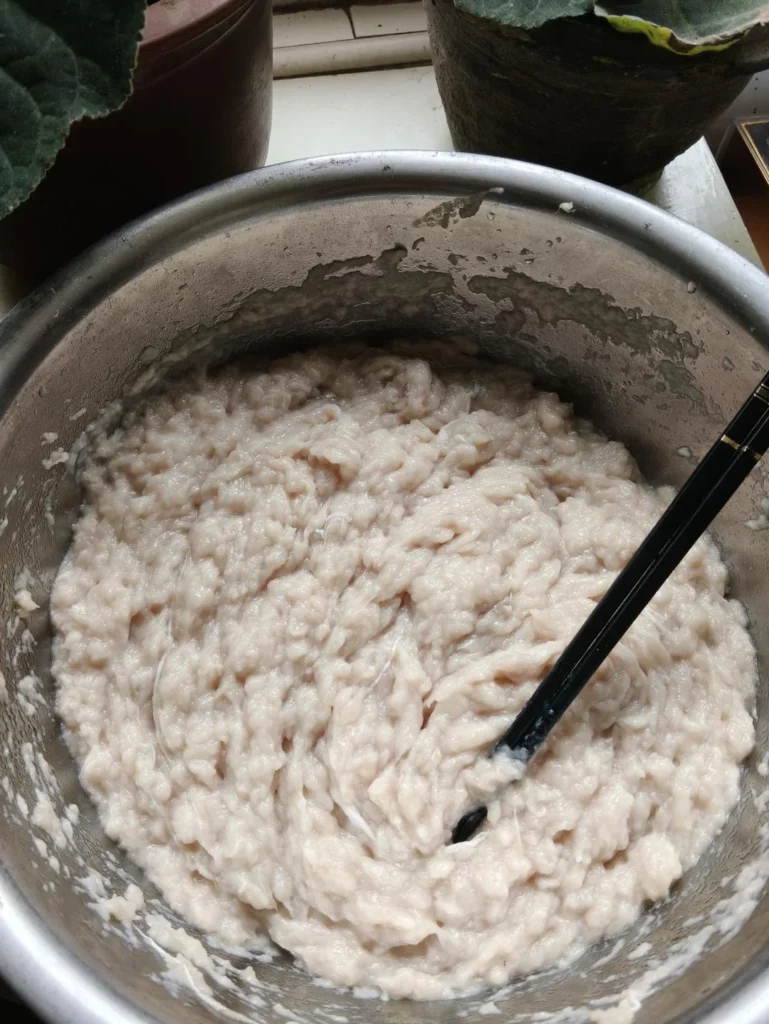
Gradually add the scallion-ginger water while stirring. Mackerel filling should be on the looser side — the looser the better, as long as you can still wrap the dumplings.
-
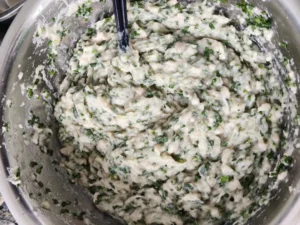 Step 9
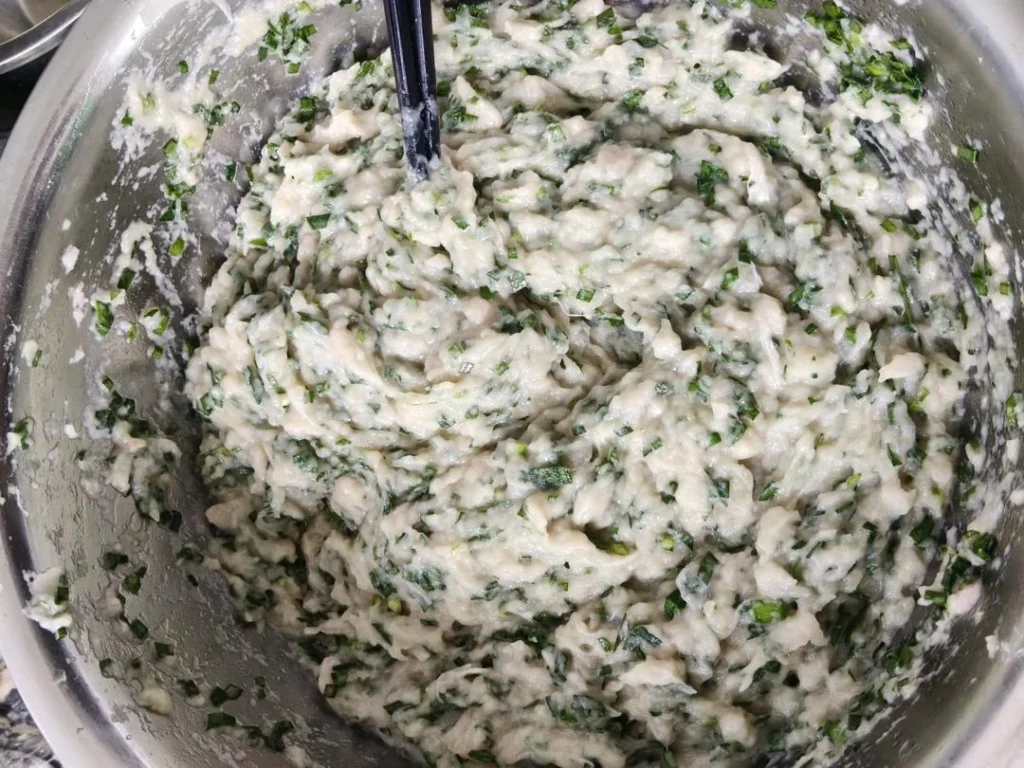
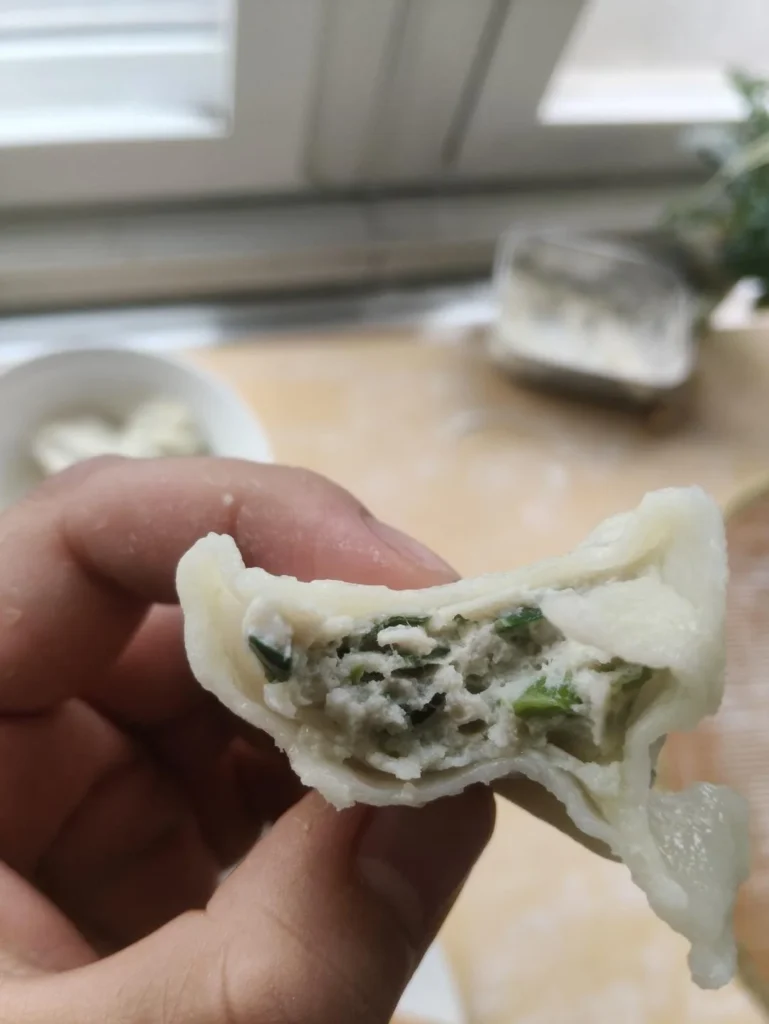
Once the filling is fairly loose, add salt, lard (or peanut oil), and one egg white, and continue stirring until evenly combined. Add the Chinese chives at the very end, right before wrapping — this prevents them from weeping water. Check the consistency once more before wrapping; if the filling has thickened, add a bit more water and stir.
-
 Step 10
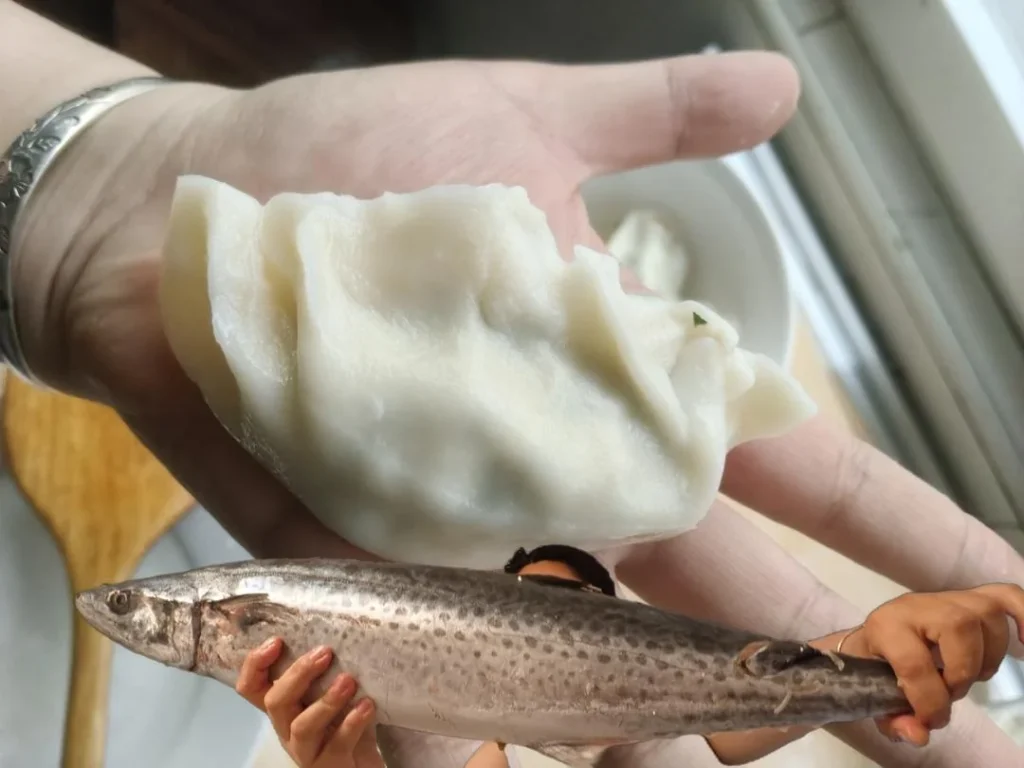
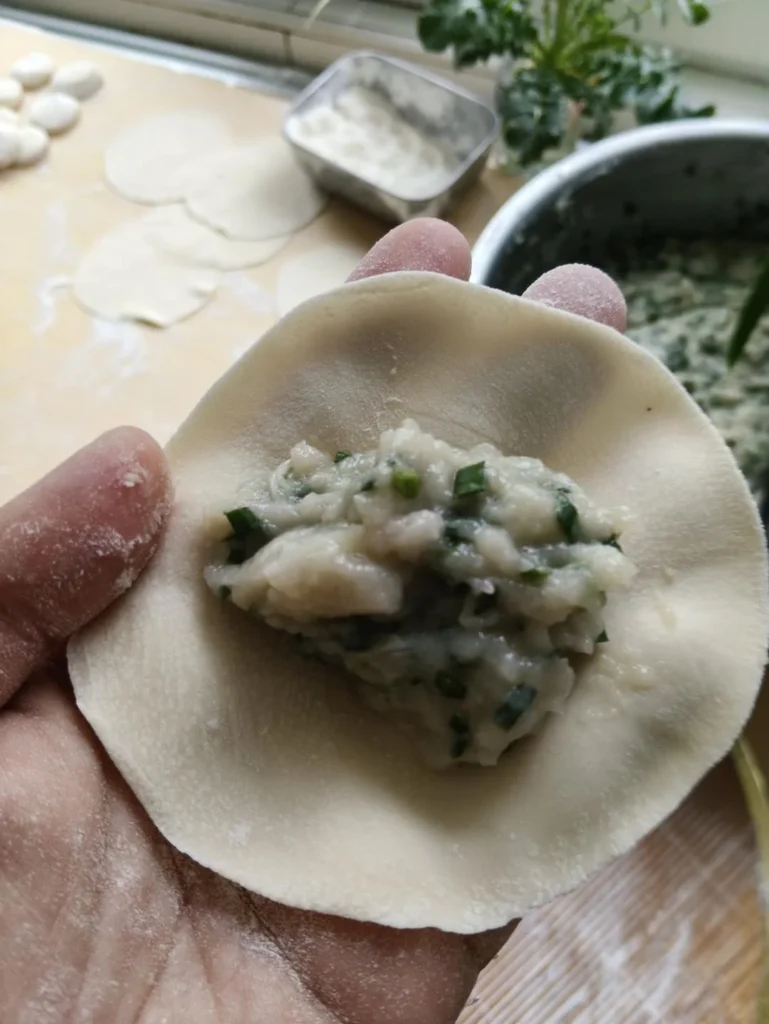
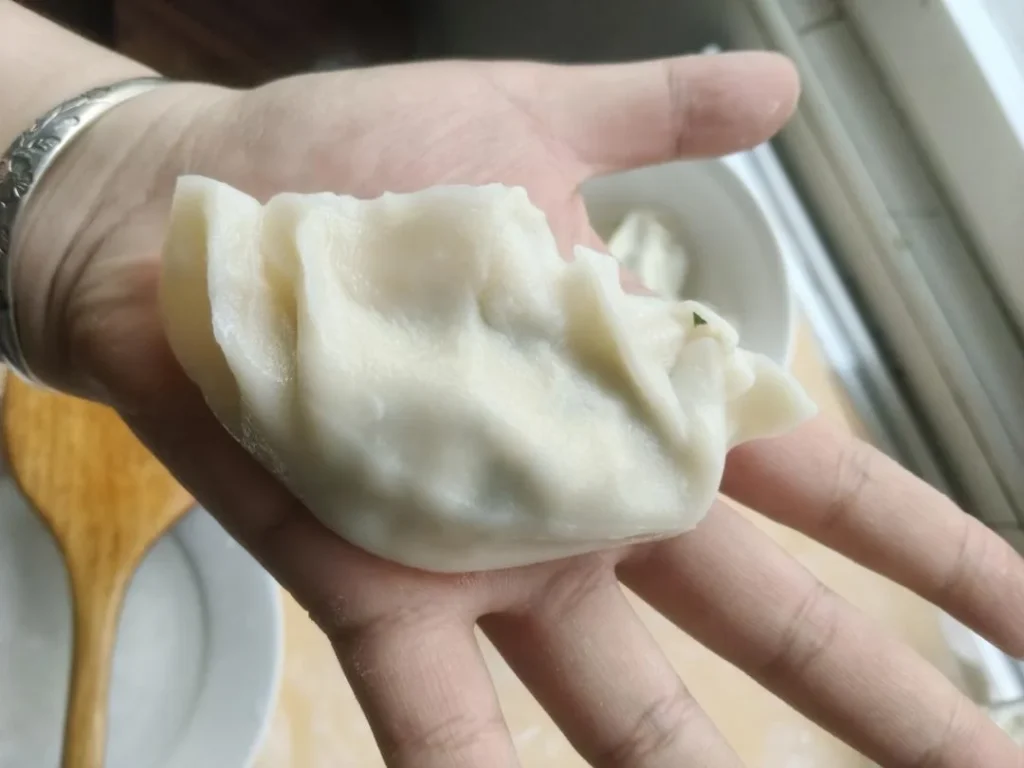
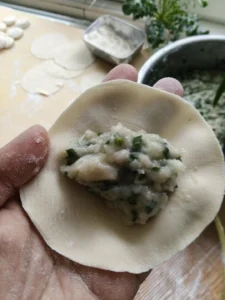
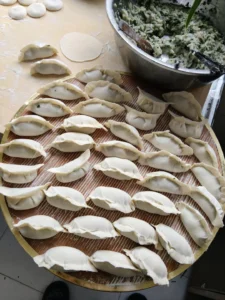
Start wrapping! Mackerel dumplings call for large, thin wrappers and generous filling.
-
 Step 11
 -
 Step 12
 -
 Step 13
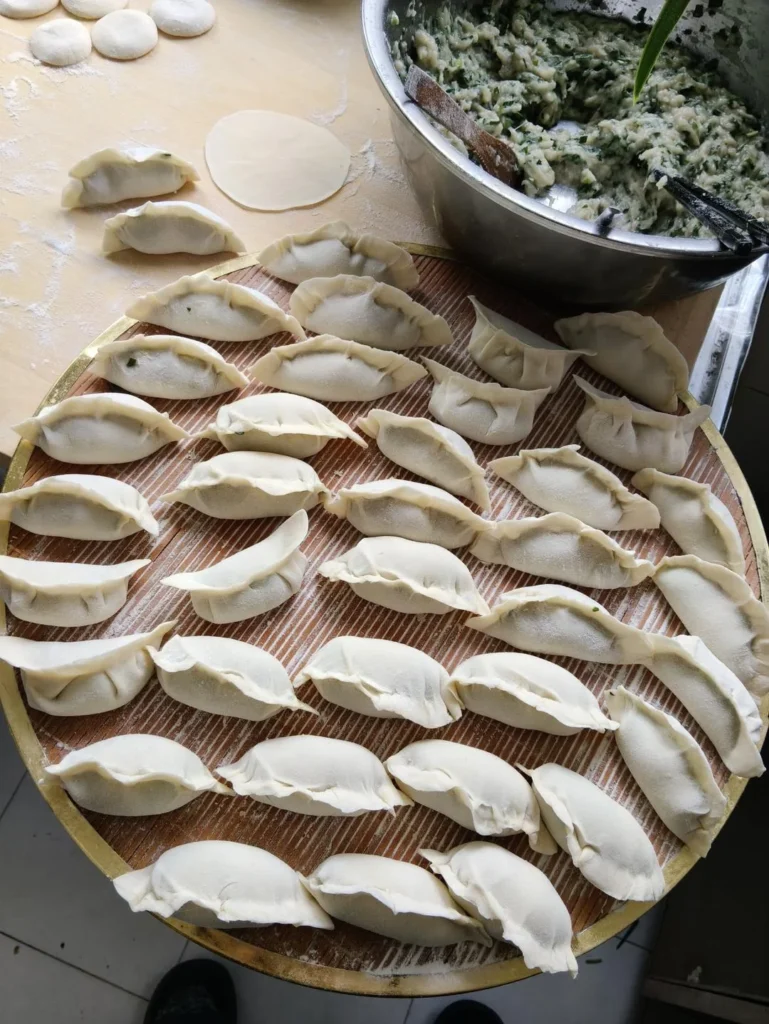
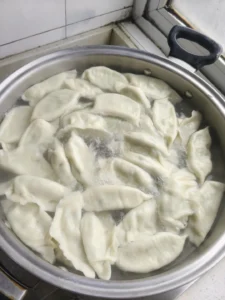
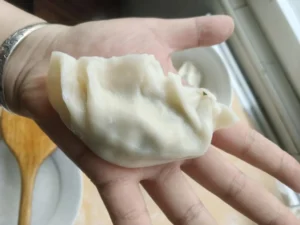
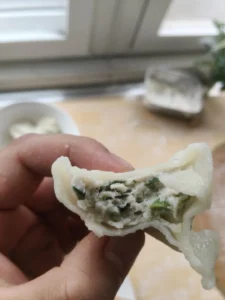
Mackerel dumplings are best when they’re big!
-
 Step 14
The fish skin, head, and roe can all be cooked separately — nothing goes to waste.
Spanish Mackerel Dumplings — From Sea to Table
It’s all about transforming a whole mackerel into delicious mackerel dumplings. A delicious Spanish Mackerel Dumplings — From Sea to Table recipe.
Ingredients
- Spanish mackerel
- Chinese chives
- All-purpose flour
- Lard or peanut oil
- Salt
- Scallion
- Ginger
- 1 as needed Egg white
Instructions
-
First, prep the mackerel: chop off the head, remove the gills, and rinse clean.
-
Cut open the belly, discard the innards, but save the roe.
-
Remove the blood along the backbone and thoroughly clean the inside of the belly.
-
Fillet the fish by cutting along the backbone to split it open.
-
Use a stainless steel spoon to scrape the flesh off the skin, keeping only the white meat and discarding the dark/red meat (which sits against the skin in the center of each fillet).
-
The scraped flesh may still have some larger pieces — knead it by hand into a smooth, uniform fish paste.
-
Prepare a large bowl of scallion-ginger water (you may need two bowls — adjust based on how wet the filling is).
-
Gradually add the scallion-ginger water while stirring. Mackerel filling should be on the looser side — the looser the better, as long as you can still wrap the dumplings.
-
Once the filling is fairly loose, add salt, lard (or peanut oil), and one egg white, and continue stirring until evenly combined. Add the Chinese chives at the very end, right before wrapping — this prevents them from weeping water. Check the consistency once more before wrapping; if the filling has thickened, add a bit more water and stir.
-
Start wrapping! Mackerel dumplings call for large, thin wrappers and generous filling.
-
Mackerel dumplings are best when they’re big!
-
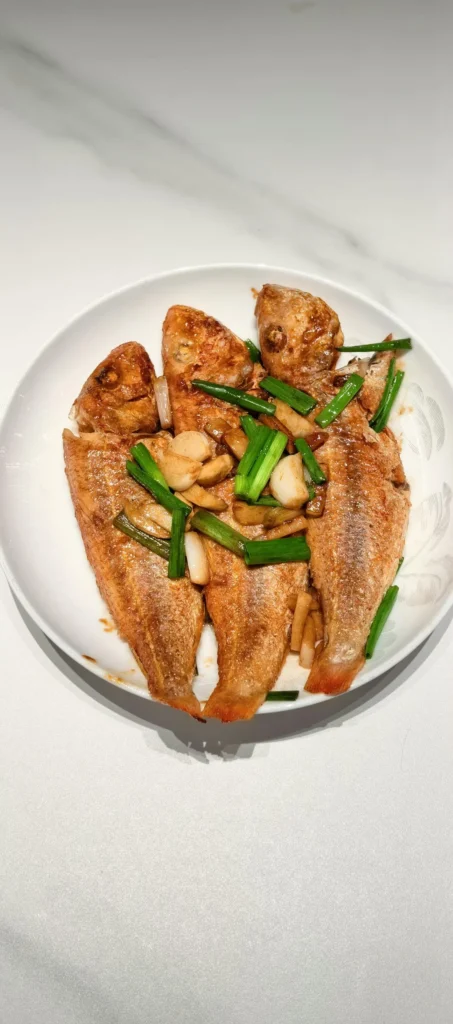
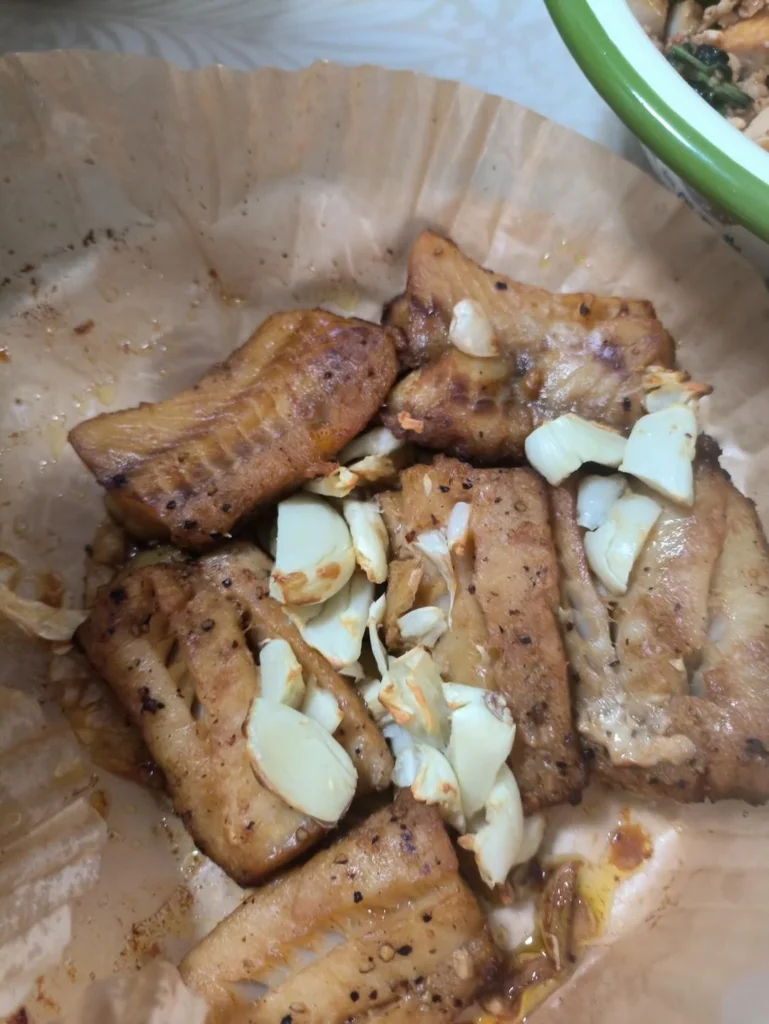
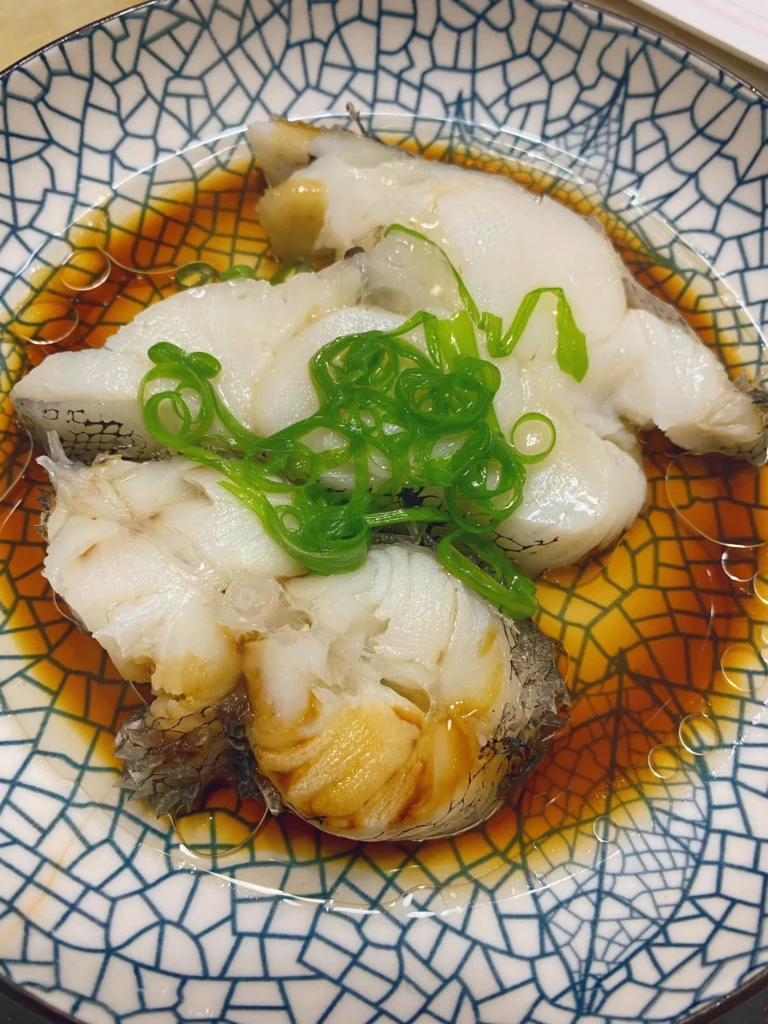
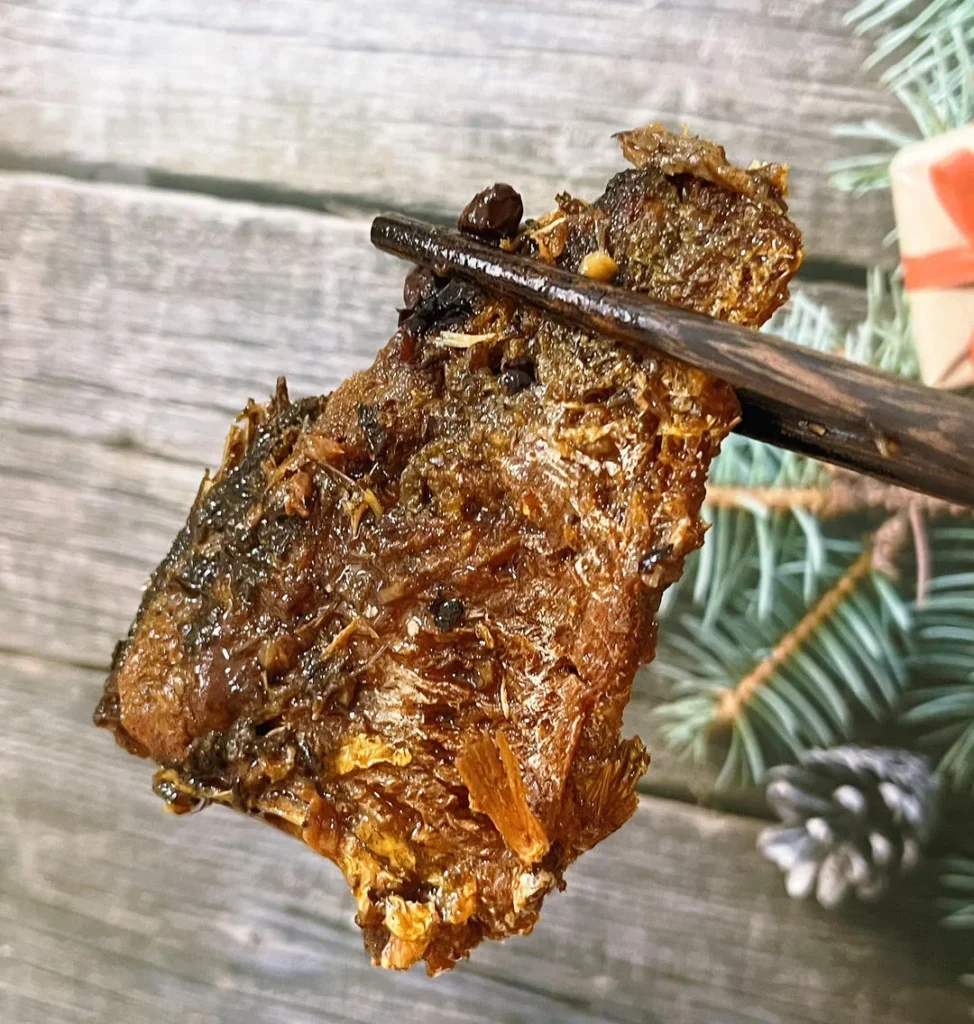
The fish skin, head, and roe can all be cooked separately — nothing goes to waste.