A delicious Shanghai-Style Braised Pork Chops with Scallions (Low-Fat / Low-Sugar) recipe.

ChopZen: Food Heals Mind, Return to Tranquility.
Food Heals Mind · Return to Tranquility
Gallery
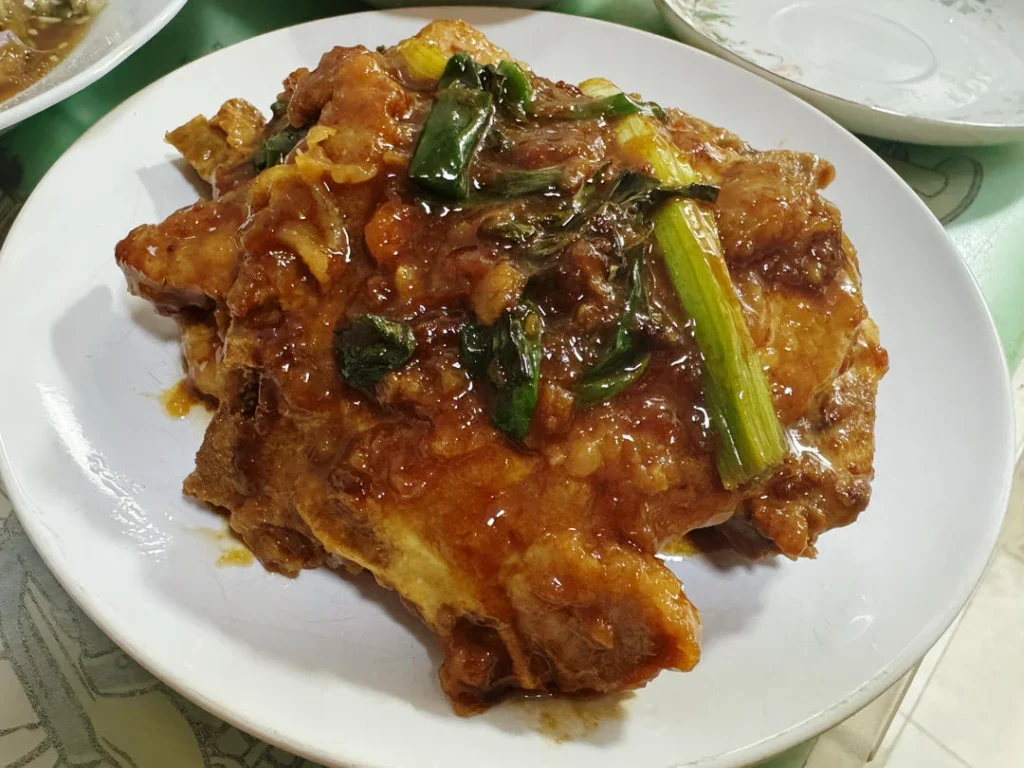
Shanghai-Style Braised Pork Chops with Scallions (Low-Fat / Low-Sugar)
Other★★ Intermediate72min
IngredientsWhat you'll need for Shanghai-Style Braised Pork Chops with Scallions (Low-Fat / Low-Sugar)
| Ingredient | Amount | Notes | |
|---|---|---|---|
| bone-in pork chops | |||
| scallions (green onions) | 1 large bunch | ||
| ginger | a few slices | ||
| light soy sauce | 1-2 tbsp | ||
| dark soy sauce | a splash | ||
| oyster sauce | 1 tbsp | ||
| salt | a pinch | ||
| cornstarch | |||
| cooking oil |
Cooking StepsHow to cook Shanghai-Style Braised Pork Chops with Scallions (Low-Fat / Low-Sugar) step by step
-
 Step 1 Detail
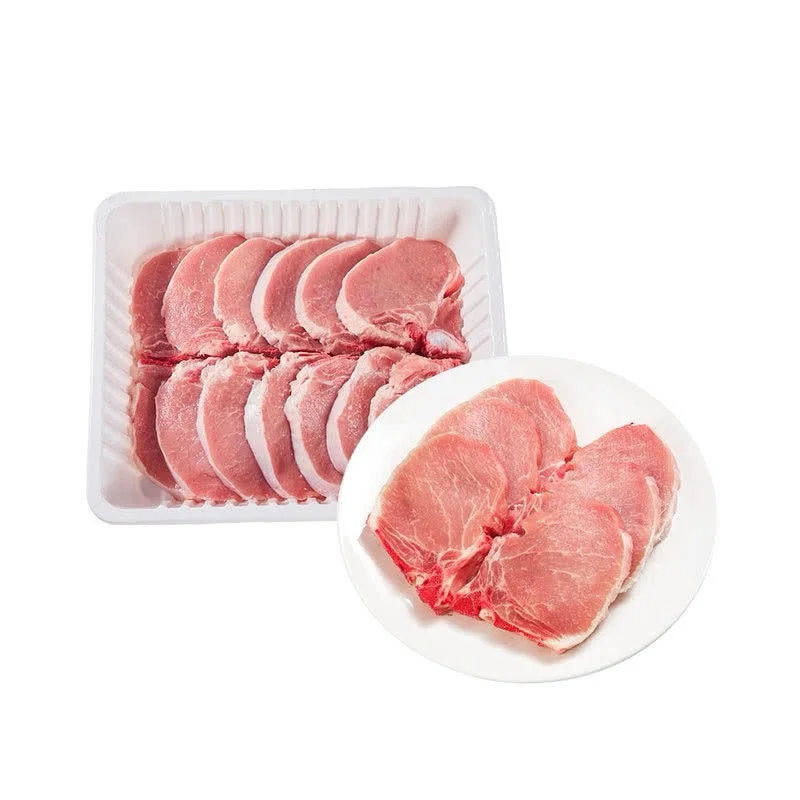
Use bone-in pork chops. Pound the meat with the back of a knife in a crosshatch pattern on both sides.
-
Step 2 Detail
Add a few slices of ginger, 1–2 tablespoons light soy sauce, a pinch of salt, and 1 tablespoon oyster sauce to the pork chops. Mix well, massaging the seasoning evenly into the meat. If worried about dryness, add a little oil to seal in moisture. Refrigerate in summer.
-
Step 3 Detail
Marinate for at least 30 minutes. Cut scallions into sections about the diameter of your pan — you’ll need a generous bunch. Spread cornstarch on a flat plate for coating.
-
Step 4 Detail
Pat the marinade off the pork chops with paper towels; discard the ginger slices. Coat both sides lightly in cornstarch. Heat oil in a pan over medium-low heat and gently slide in the chops. Pan-fry slowly on medium-low until golden on both sides. Set aside on a clean plate.
-
Step 5 Detail
Wipe the pan clean and return to heat with a small amount of oil. When the oil is warm (low heat), add the scallion sections — make sure they’re dry. Slowly fry until fragrant and lightly caramelized, not burnt.
-
 Step 6 Detail
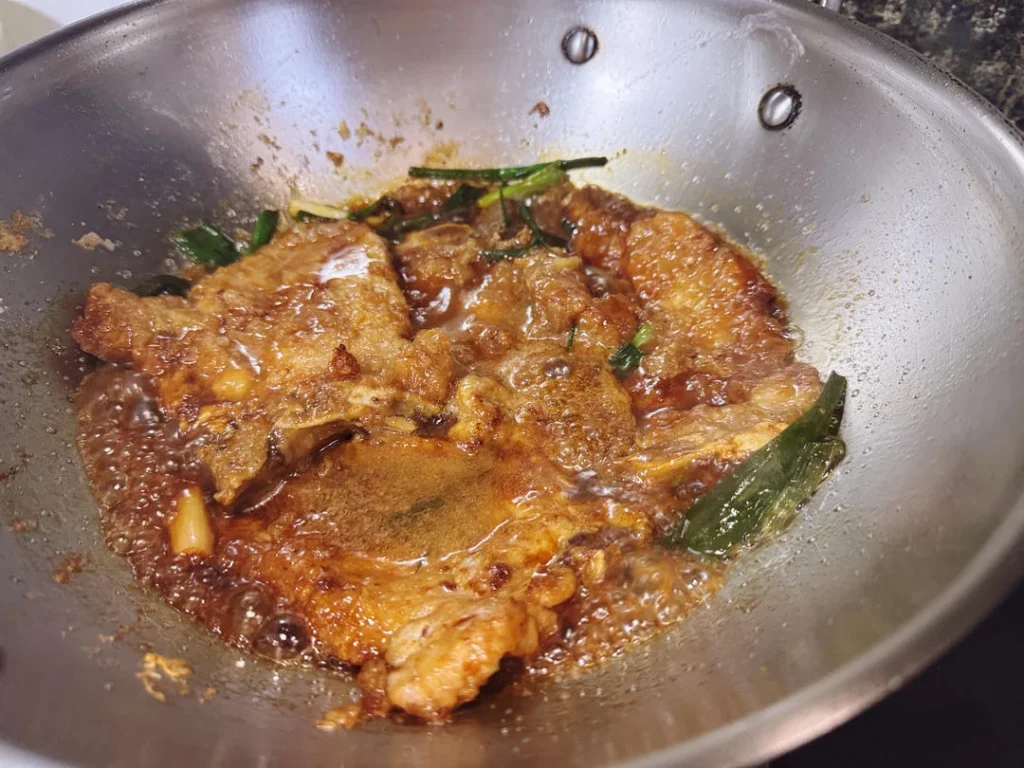
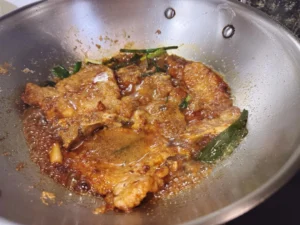
Once scallions are fragrant, add hot water, a splash of light and dark soy sauce, oyster sauce, and a pinch of salt. Slide in the pan-fried chops, arranging them in a single layer. The liquid should just barely cover the chops. Cover and braise over medium heat for 3–5 minutes. Pierce the thickest part with chopsticks — if it goes through, it’s done. Uncover, turn up the heat to reduce the sauce, then turn off the heat and serve.
-
Step 7 Detail
Tips: 1) Traditionally white sugar is added with the sauce, but I omitted it for a lower-sugar version. Oyster sauce and soy sauce already contribute some sweetness, so the dish still has a balanced savory-sweet flavor. 2) It’s easy to over-salt at the final stage — account for the salt used during marination and adjust soy sauce and salt accordingly. If unsure, skip the salt and rely on soy sauce alone. 3) Don’t add too much water or the long cooking will make the meat tough. 4) Frying the scallions is key to the dish’s aroma. If worried about burning, you can add water a bit earlier.