
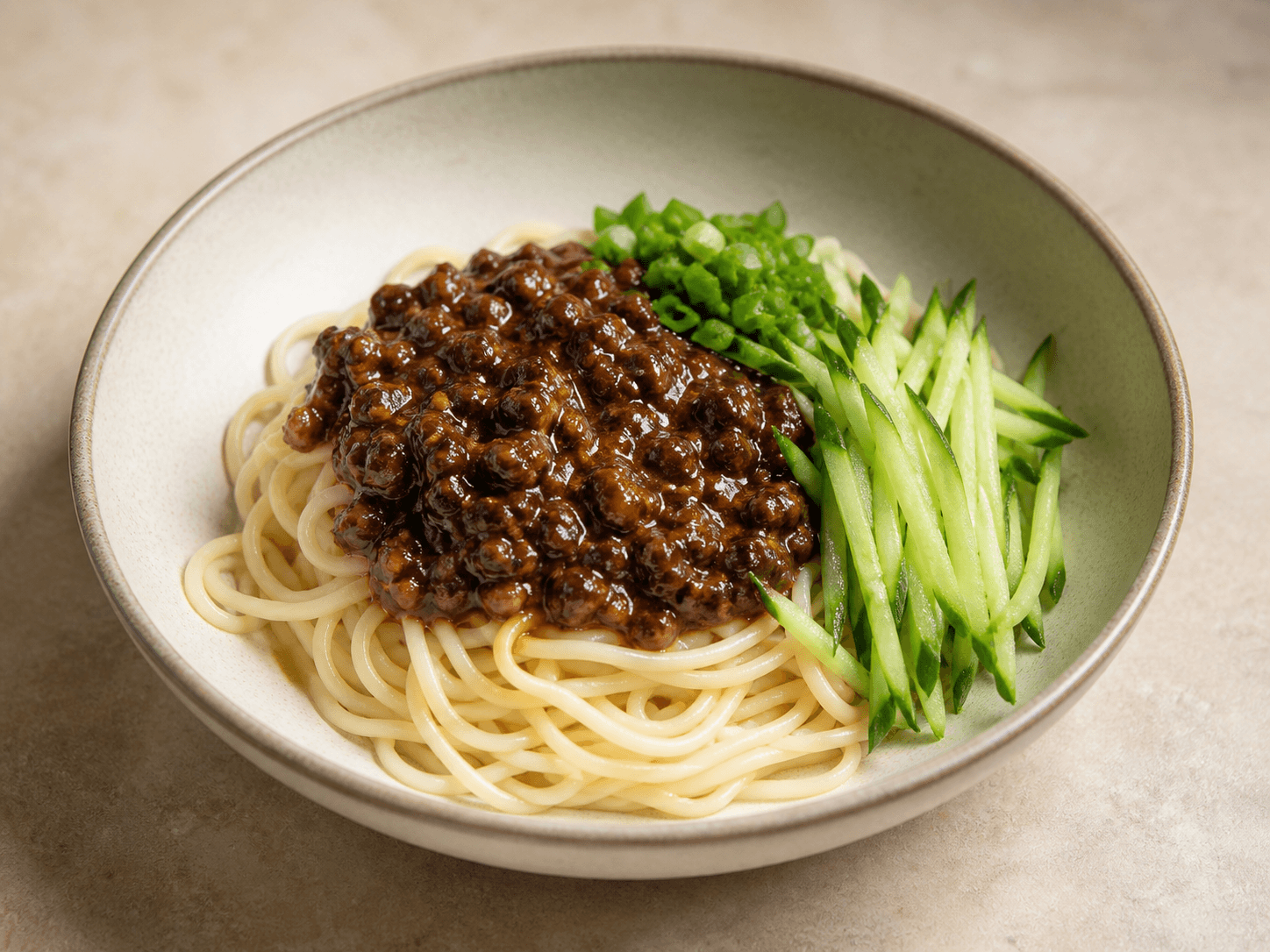
Beijing-Style Zhajiang Noodles
炸酱面 · northern cuisine · Beijing and Northern China
Zhajiang noodles pair chewy wheat noodles with a glossy fried meat and bean-sauce topping plus crisp vegetable garnishes.
 Chef ChopzenChopzen project content lead. Curating and testing every published recipe for US home cooks.
Nutrition & allergens
No supported allergens detected from surveyed ingredients.
Some ingredients are not yet allergen-surveyed; this label is not exhaustive.
Per serving (2 servings)
- Energy (kcal)
- Unknown
- Protein (g)
- Unknown
- Fat (g)
- Unknown
- Carbs (g)
- Unknown
- Sodium (mg)
- Unknown
Estimated from verified ingredient data for the original formula — not lab values, and one dish is not a full meal.
Techniques you'll use
- Stir-frying ↗
Cook small pieces in stages, then bring them together while their textures are distinct.
Steps
- 1
Step 17 min
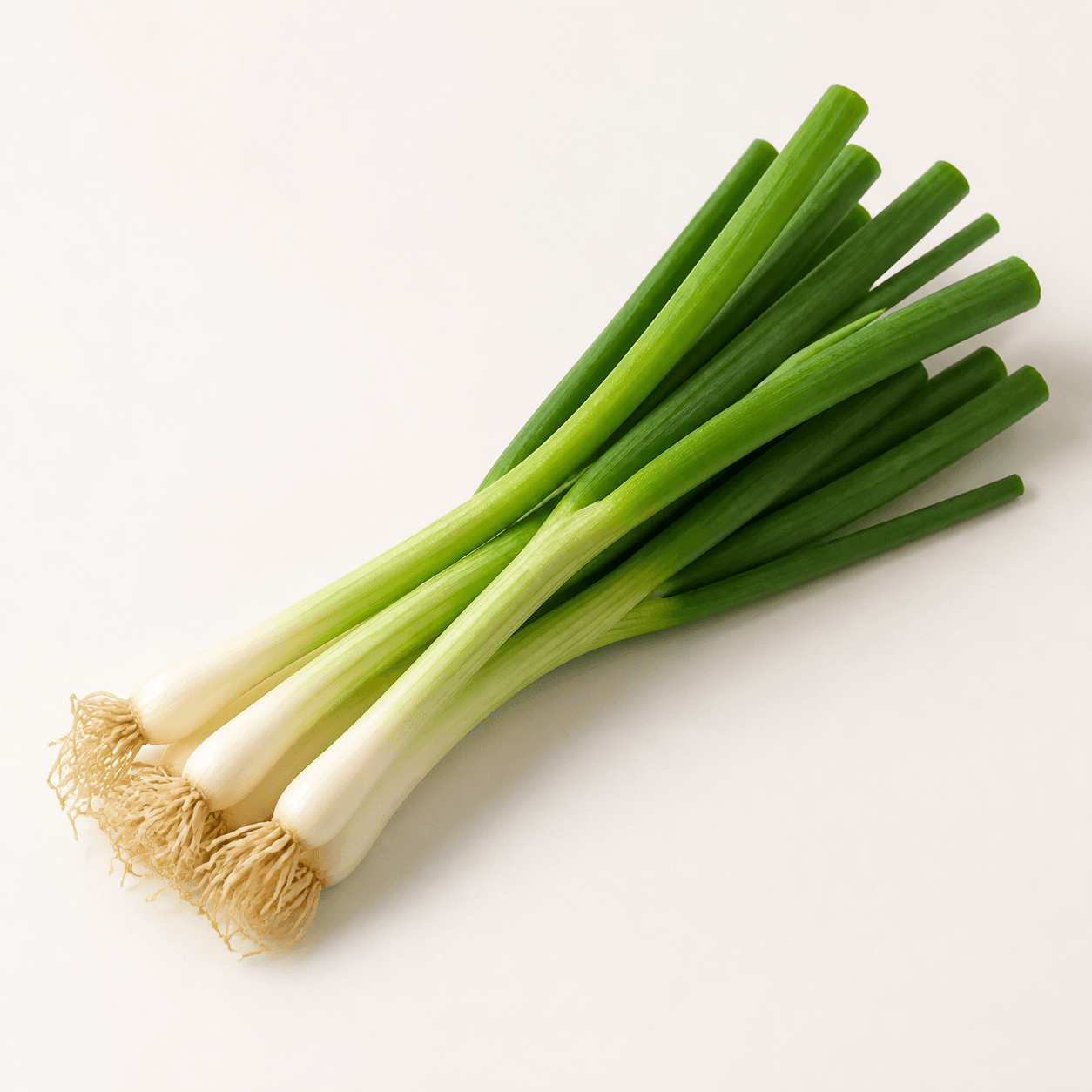
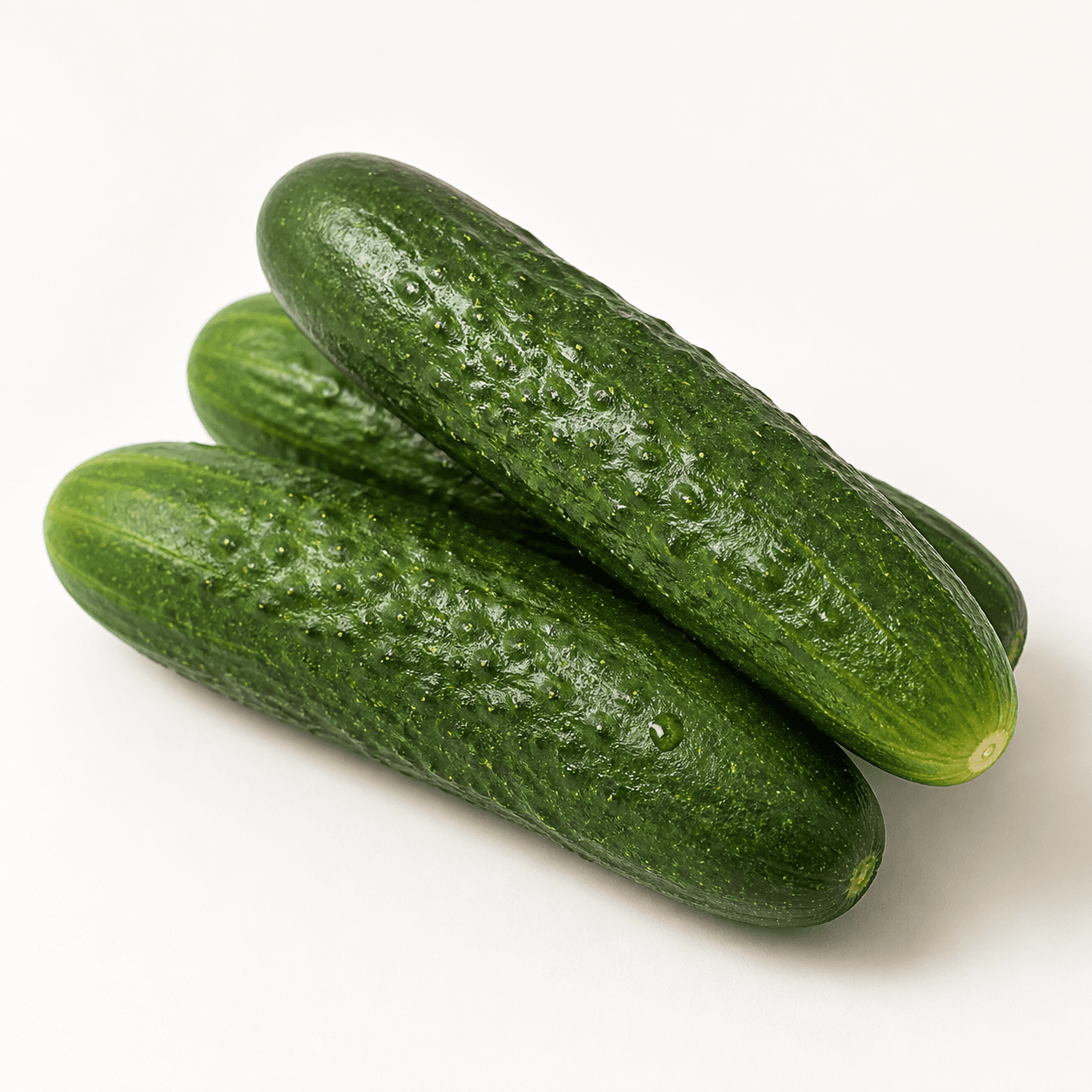
Cut the vegetable garnishes into fine strips and chop the scallion.
✅ Done when: The garnishes are thin enough to mix easily through the noodles.
Watch out: Keep vegetables away from the raw pork work area.
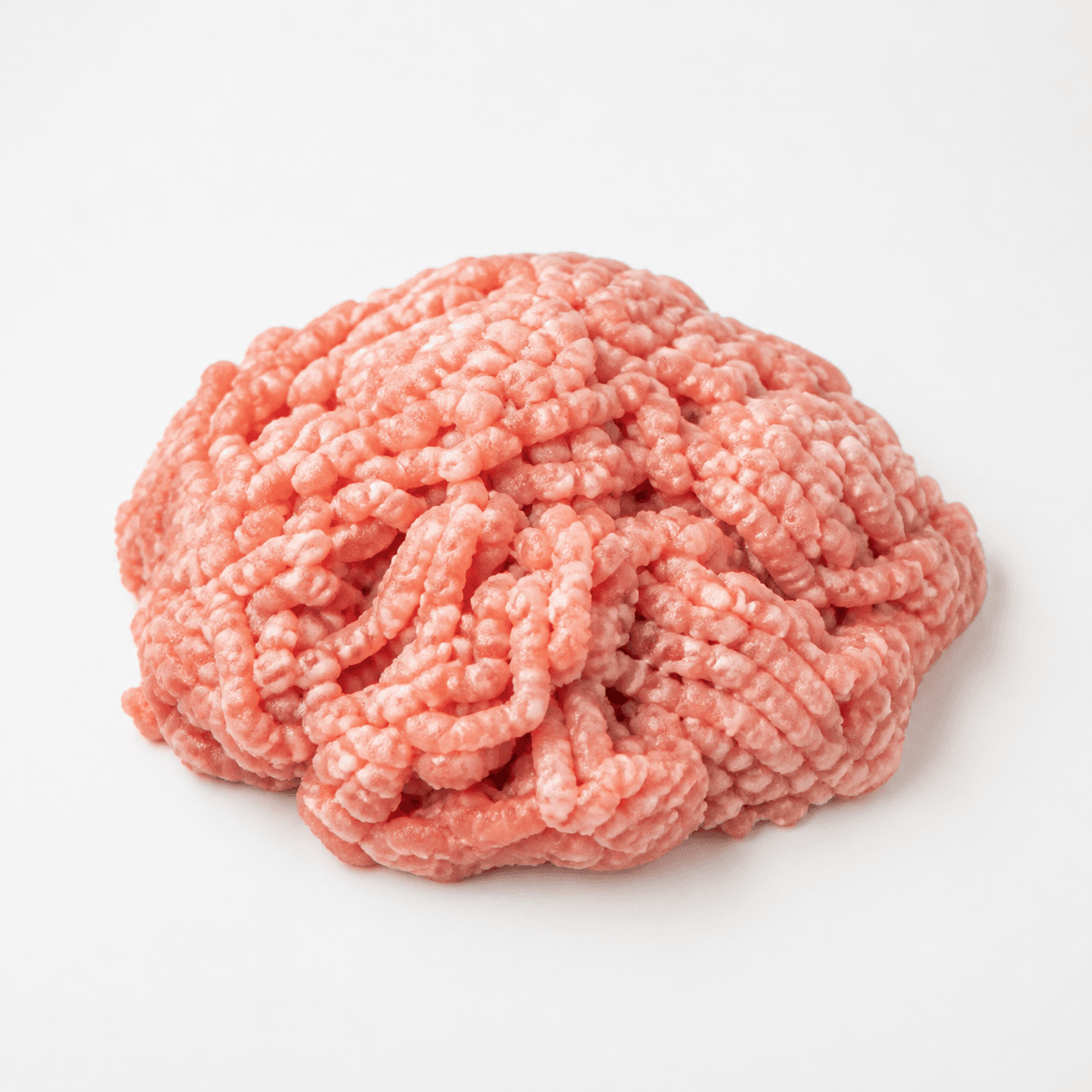
Heat the oil over medium-high. Add the scallion and pork and stir-fry until the pork is fully browned with no pink remaining.
✅ Done when: The pork reaches 71°C and no raw pink remains.
Watch out: Break up clumps so the ground pork cooks evenly.
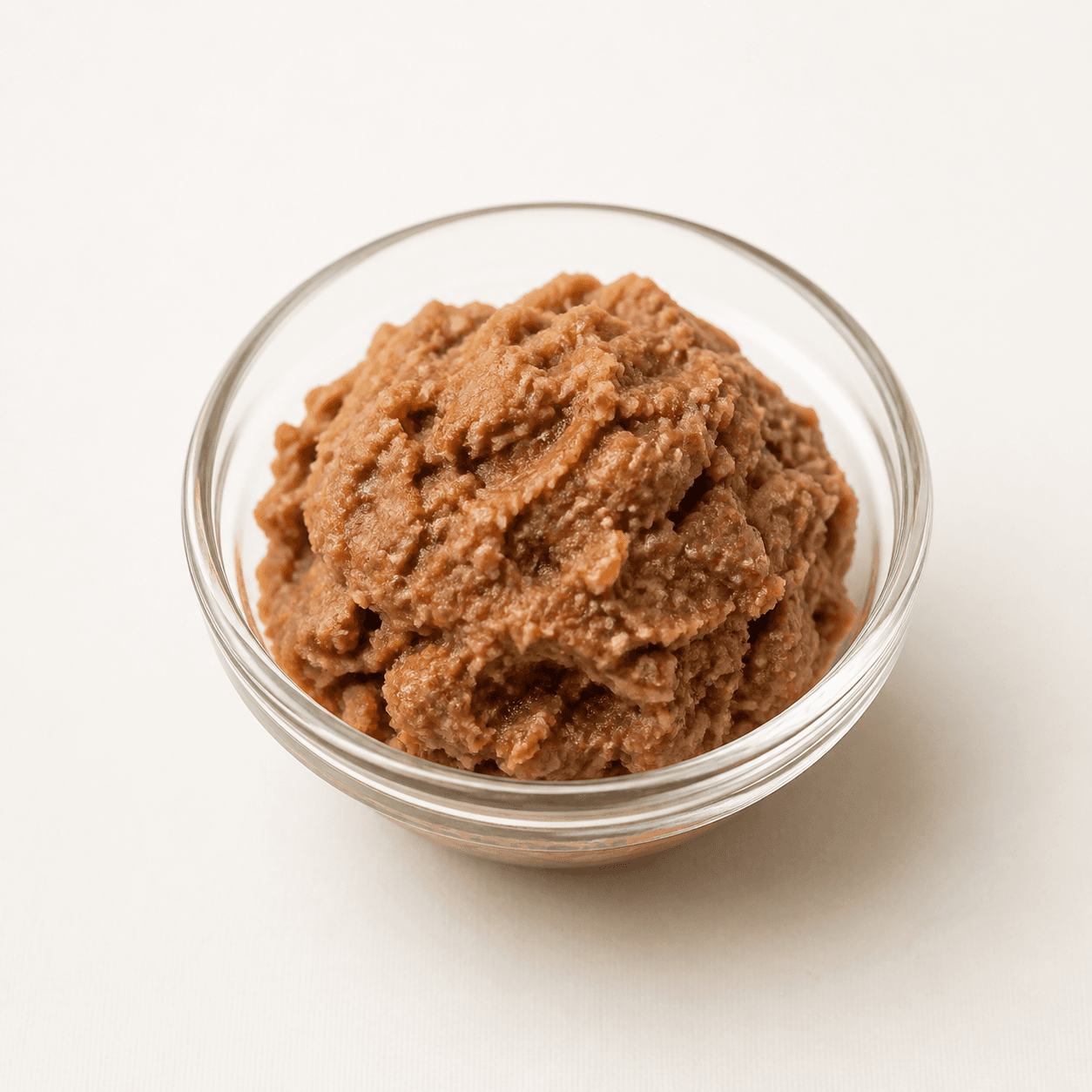
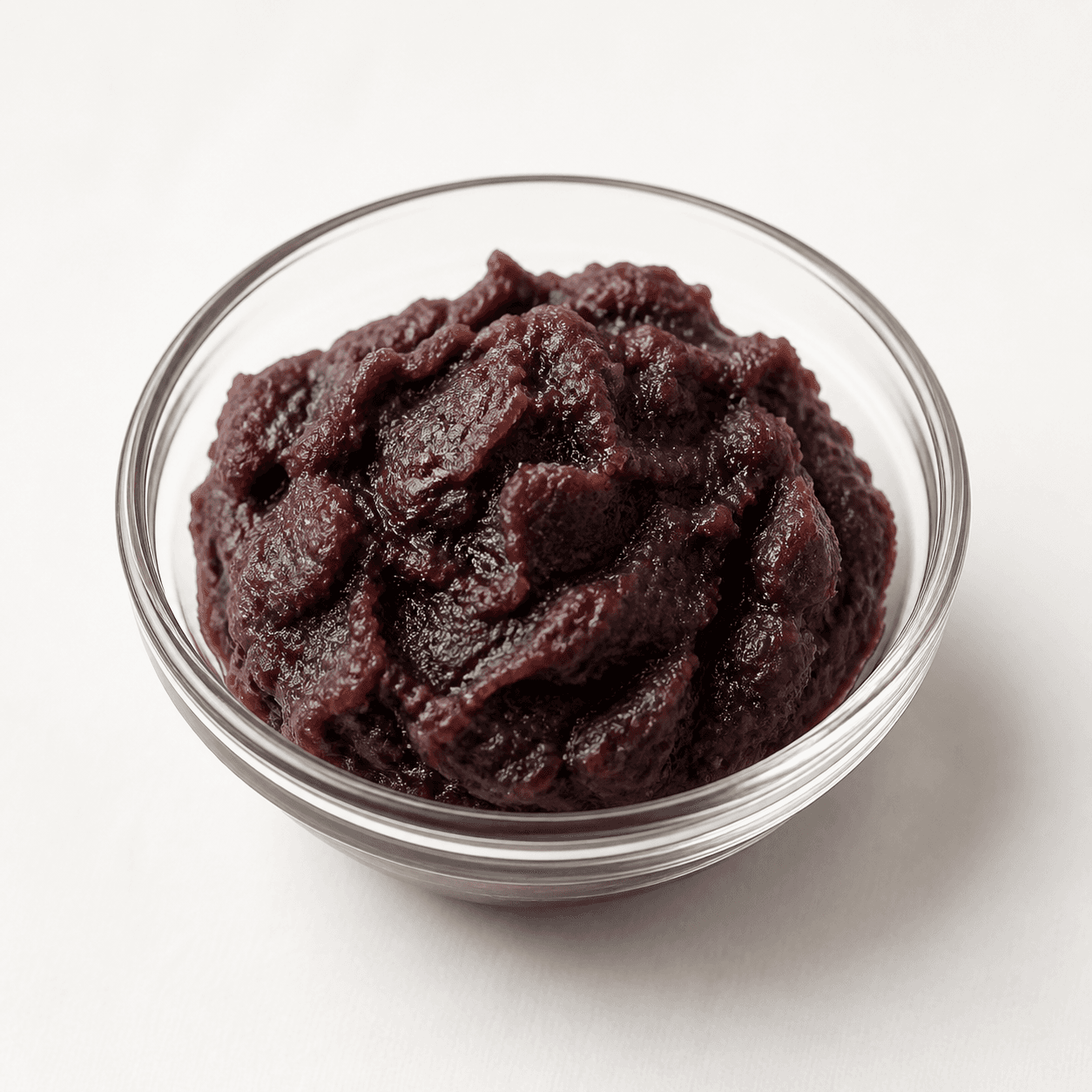
Add both bean pastes and stir-fry until the sauce is glossy, fragrant, and slightly thickened, then remove it from the heat.
✅ Done when: The sauce clings to the pork rather than pooling in the wok.
Watch out: Lower the heat if the paste begins to stick.
- 4
Step 48 min
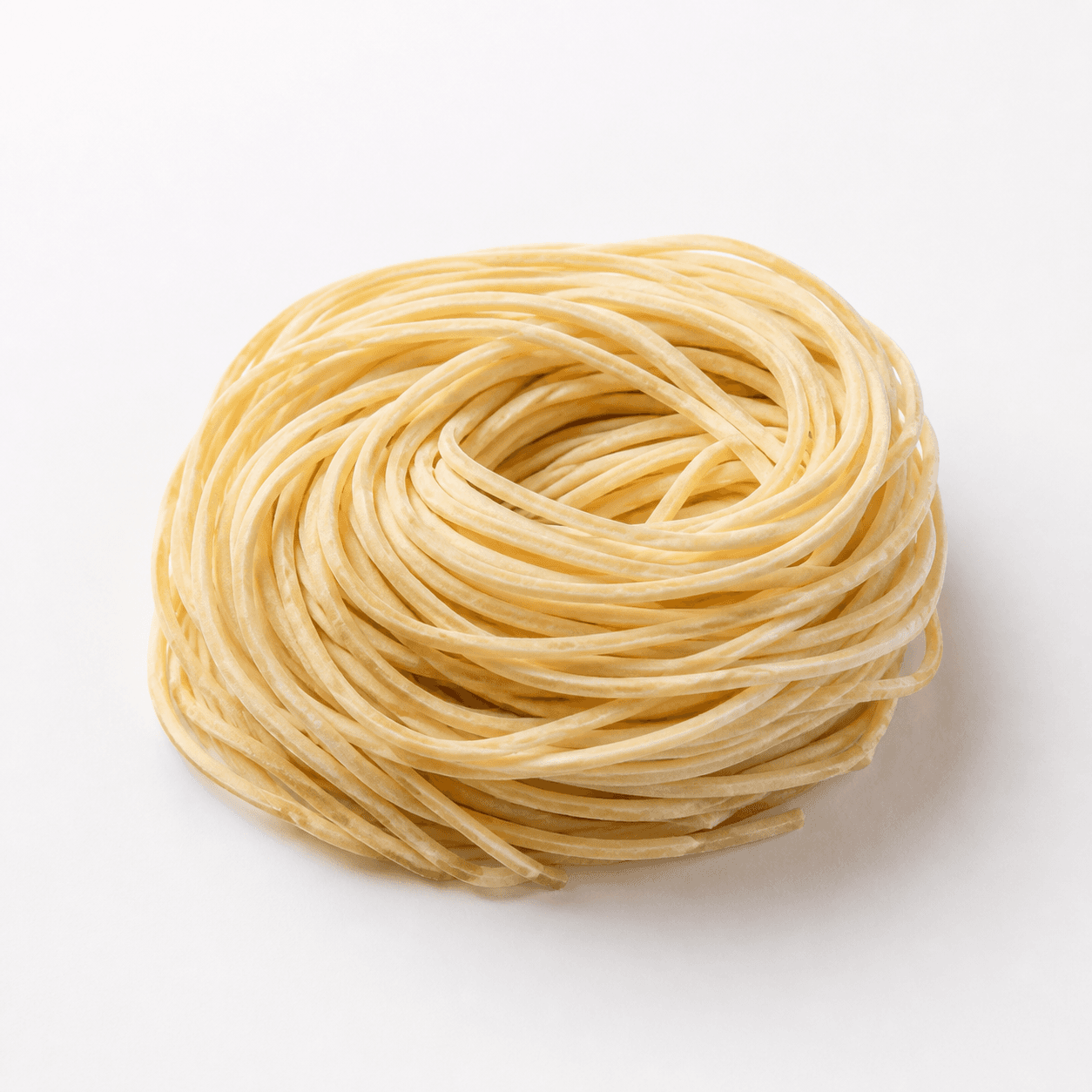
High heatBoil the noodles until no dry white core remains. Briefly dip them in cool water, drain immediately, and divide between bowls.
✅ Done when: The noodles are cooked through but remain chewy.
Watch out: Do not leave the noodles soaking in cool water.
- 5
Step 52 min
Off heatSpoon the pork sauce over the noodles, add the vegetable garnishes, and mix thoroughly before eating.
✅ Done when: The sauce and vegetables are evenly distributed.
Watch out: The bean pastes are salty; taste before adding any extra seasoning.