
Gallery
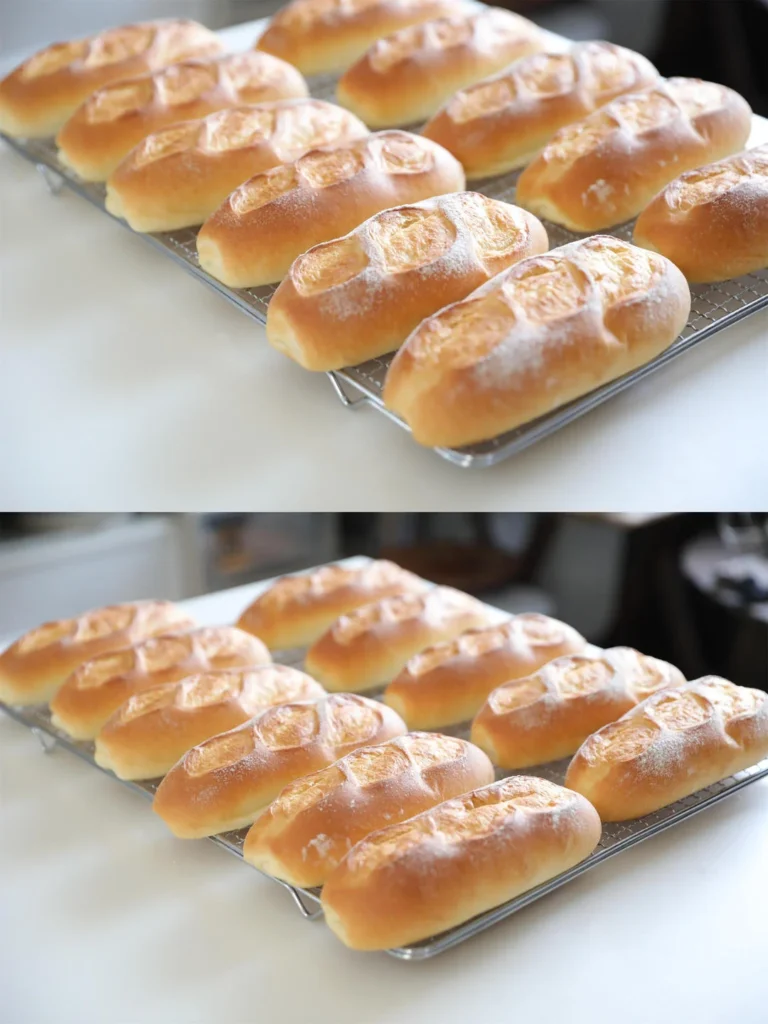
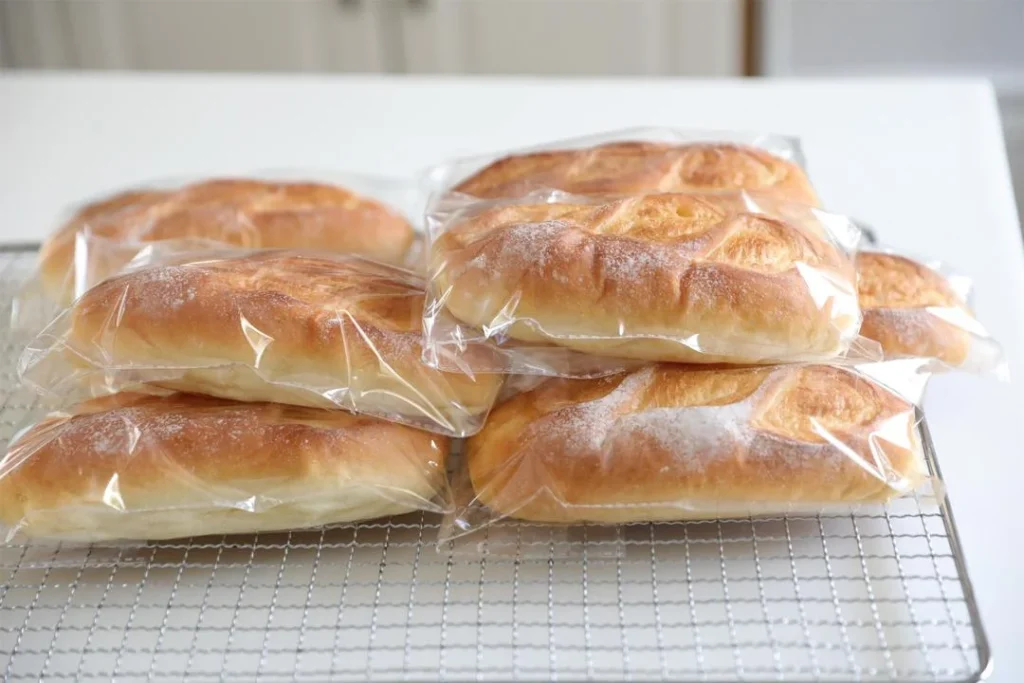
Extra Rich Milk Bread Sticks
Chinese dish ready in 19 min using easy-level technique. Simple enough for weeknight cooking.
- Prep
- 7m
- Cook
- 21h 30m
- Total
- 21h 37m
- Servings
- 810
- Difficulty
- Intermediate
- Spice
- 1/5
- Cuisine
- Chinese
IngredientsWhat you'll need for Extra Rich Milk Bread Sticks
| Ingredient | Amount |
|---|---|
| Dough | |
| bread flour | 500 as needed |
| caster sugar | 55 as needed |
| salt | 6.5 as needed |
| fresh yeast | 15 as needed |
| milk powder | 20 as needed |
| whole egg | 50 as needed |
| condensed milk | 35 as needed |
| milk | 330 as needed |
| butter | 35 as needed |
| old dough (pre-ferment) | 100 as needed |
| tangzhong (water roux) | 60 as needed |
- Dough
- bread flour500 as needed
- caster sugar55 as needed
- salt6.5 as needed
- fresh yeast15 as needed
- milk powder20 as needed
- whole egg50 as needed
- condensed milk35 as needed
- milk330 as needed
- butter35 as needed
- old dough (pre-ferment)100 as needed
- tangzhong (water roux)60 as needed
Cooking StepsHow to cook Extra Rich Milk Bread Sticks step by step
-
 Step 1
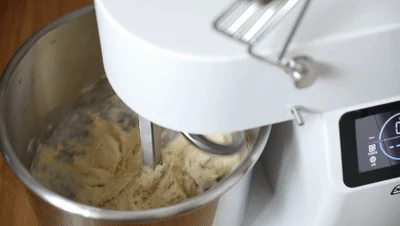
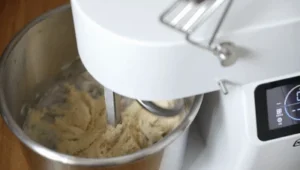
Using the delayed-oil method: weigh all dough ingredients except butter and place them in the mixing bowl. Mix on low speed for about 1 minute until no dry flour remains, then increase to speed 5 to knead.
-
 Step 2
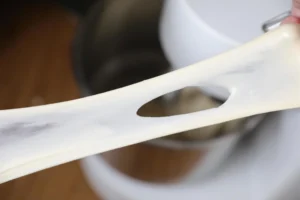
As the dough kneads, gluten gradually develops — you should be able to stretch it into a relatively thick sheet.
-
 Step 3
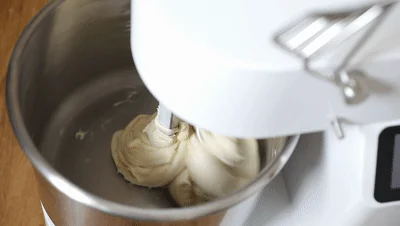
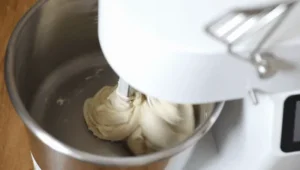
Add the softened butter and mix on low speed until the butter is fully incorporated.
-
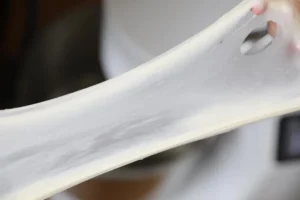 Step 4
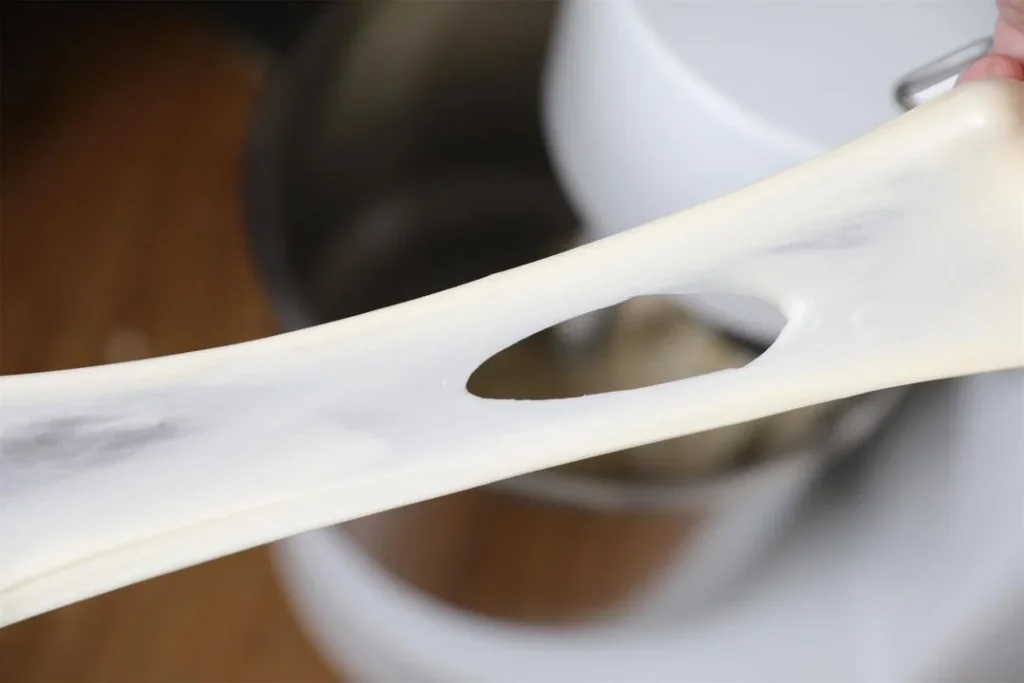
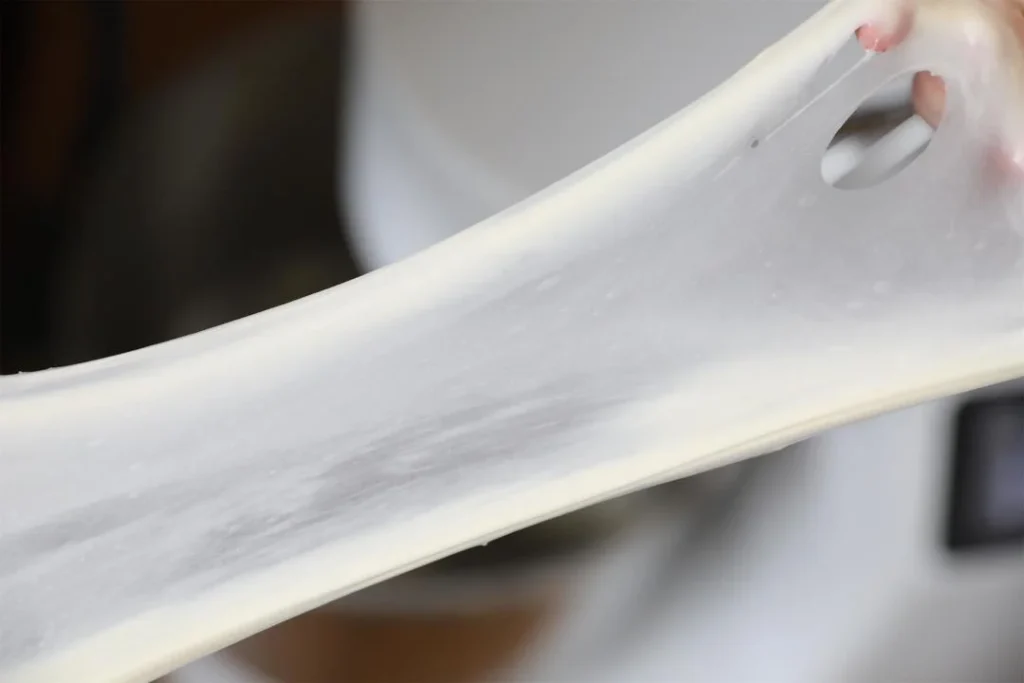
Once the butter is absorbed, increase to speed 4–5 and continue kneading to full development. The dough should stretch into a relatively transparent, extensible membrane (windowpane test).
-
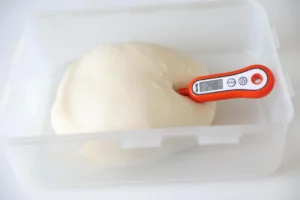 Step 5
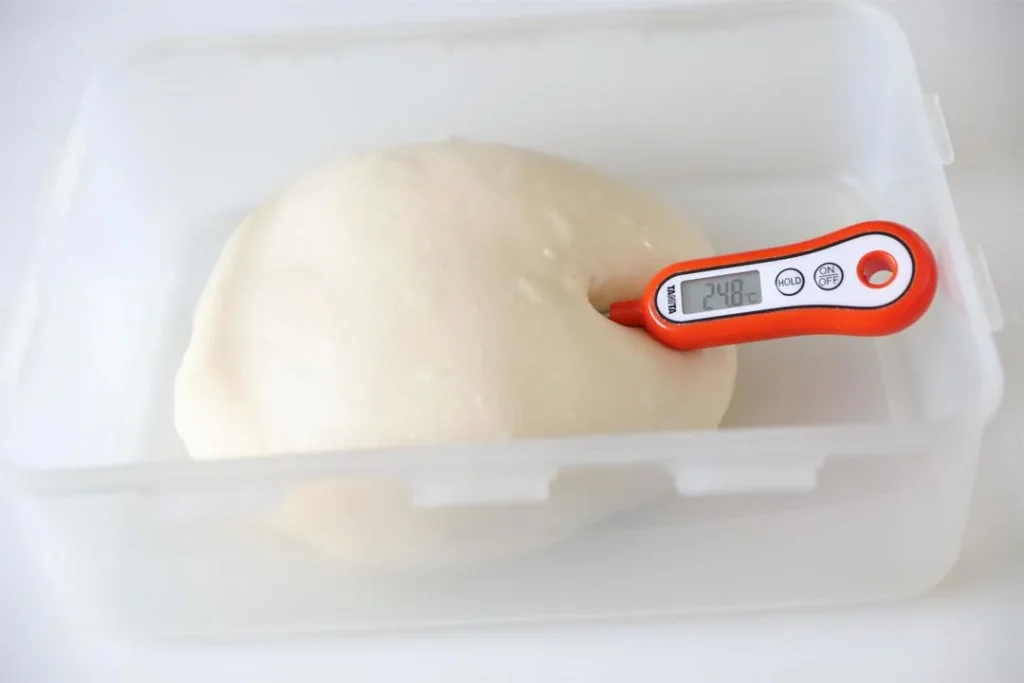
The dough temperature out of the bowl should be around 26°C. Remove the dough, shape it, and place it in a container.
-
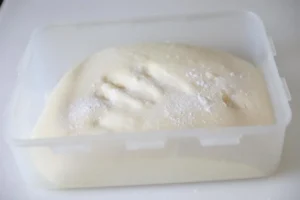 Step 6
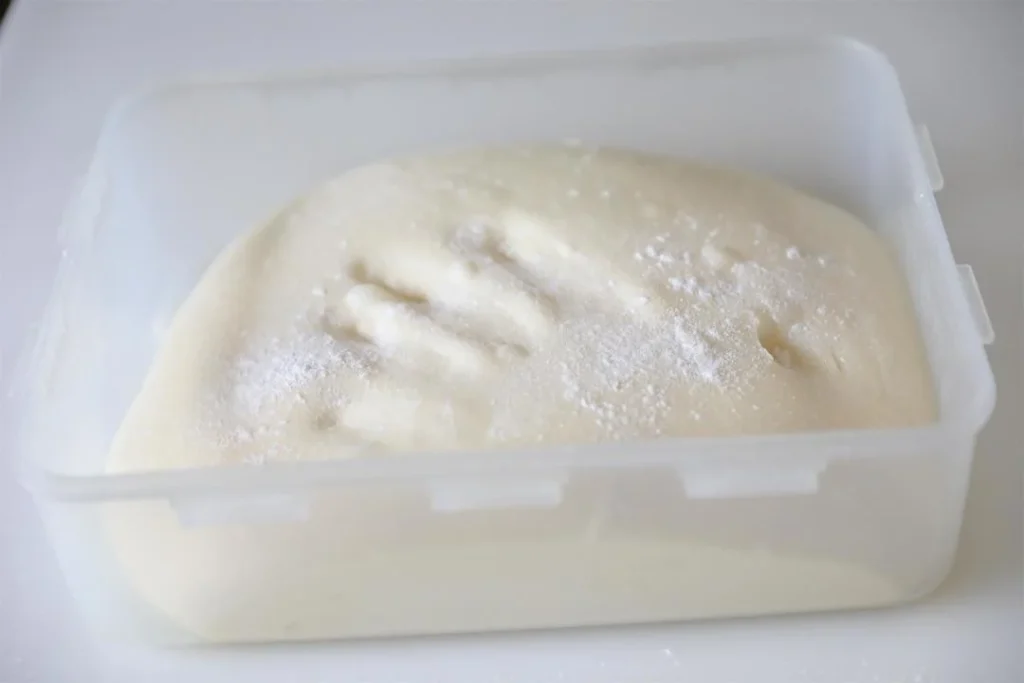
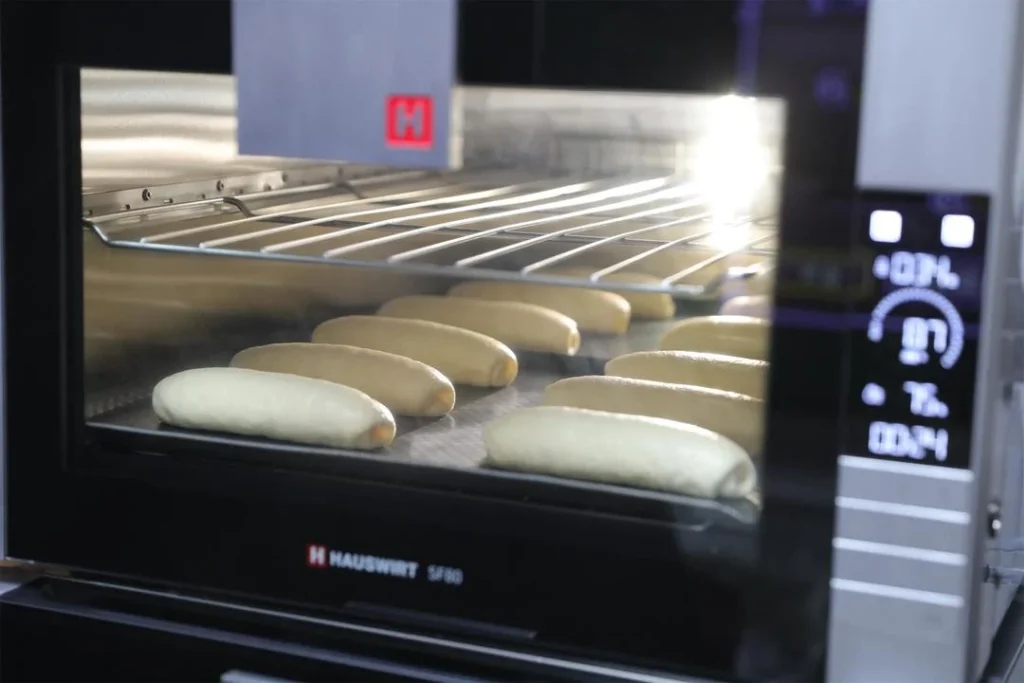
Place in a proofing box set to 28°C and about 75% humidity for the first rise. Ferment for about 60 minutes until the dough has roughly doubled to 2.5× its original size.
-
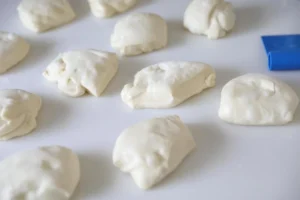 Step 7
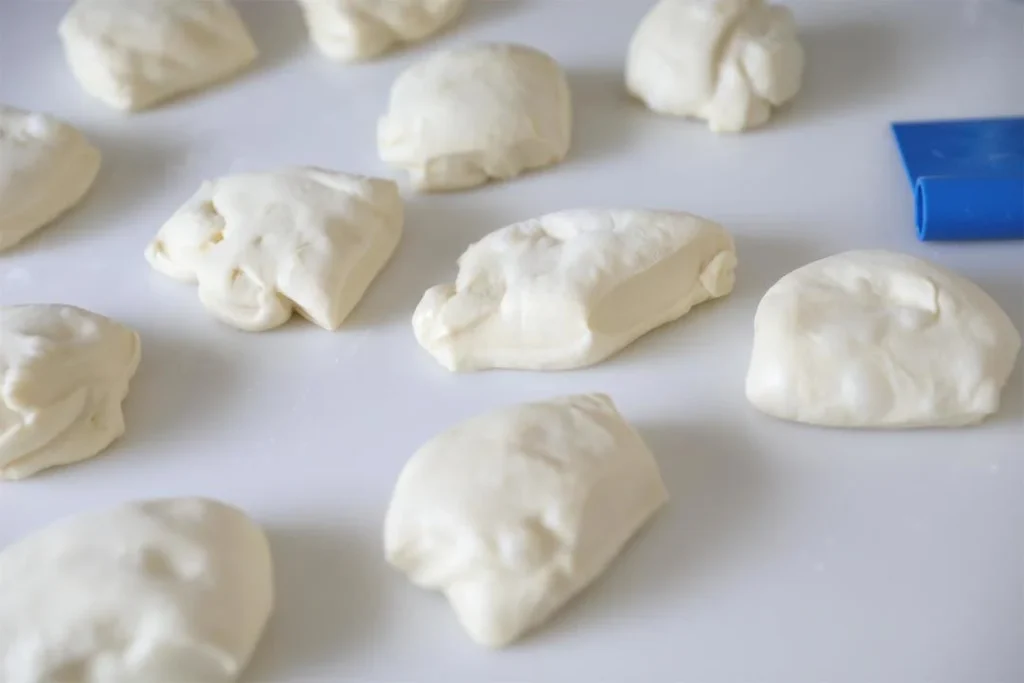
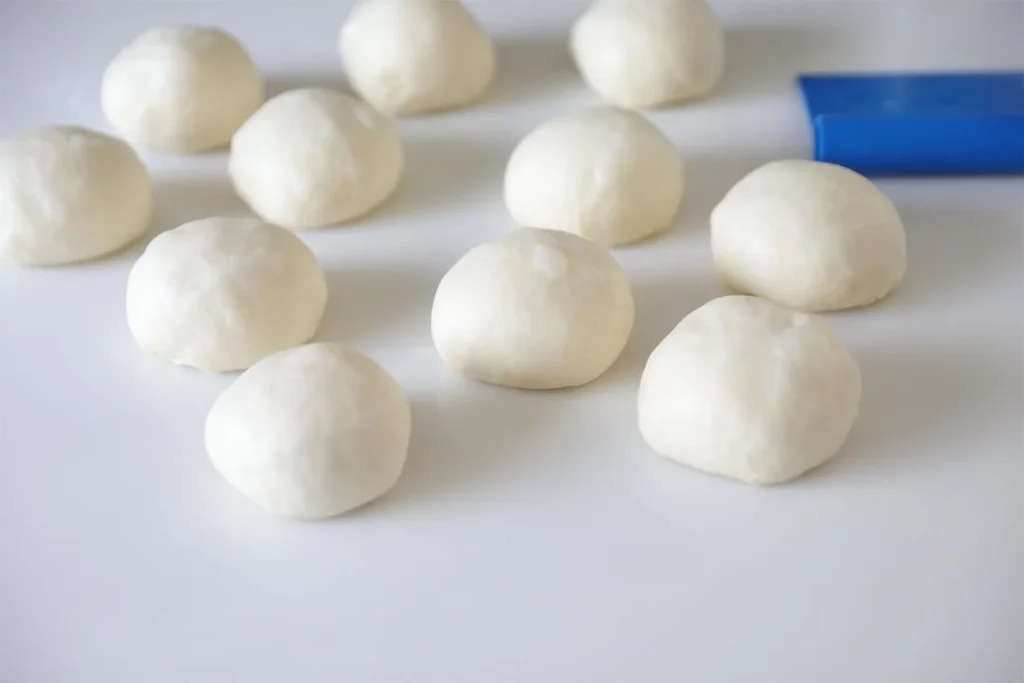
Remove the dough and divide into portions of about 100–120 g each.
-
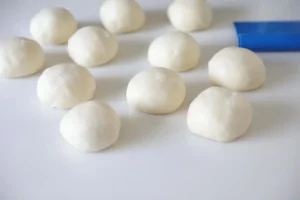 Step 8
Fold and shape each portion into a round. Return to the proofing box at 28°C and 75–80% humidity to rest for 20 minutes.
-
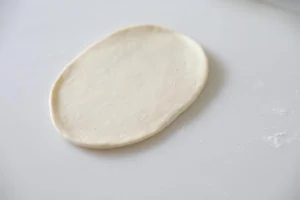 Step 9
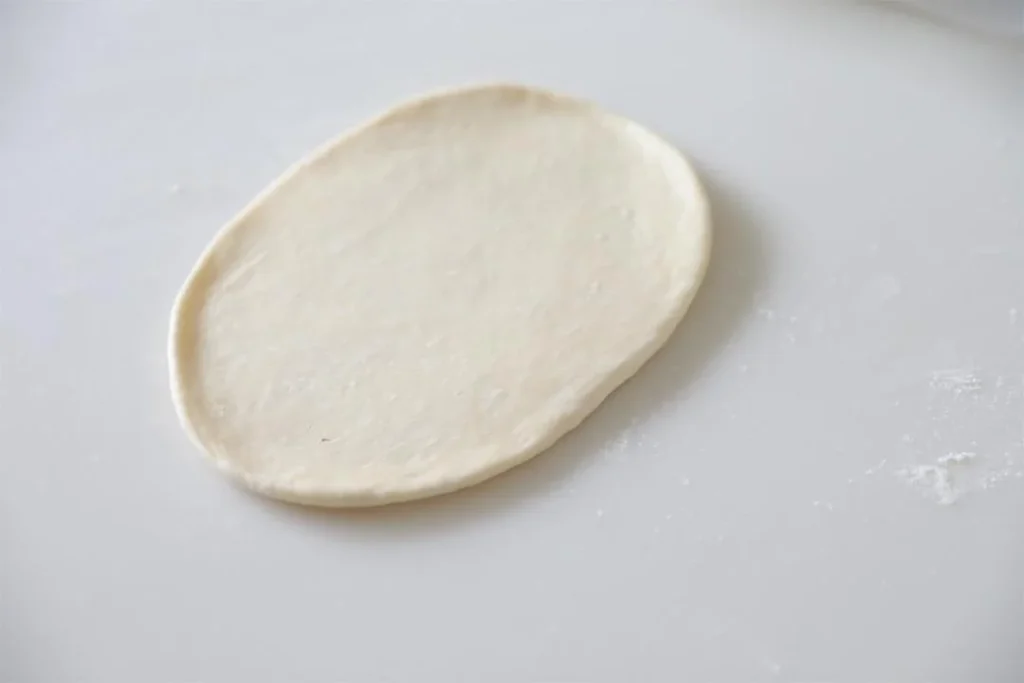
Take a well-relaxed dough portion and roll it out flat.
-
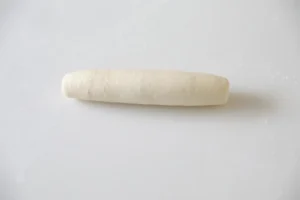 Step 10
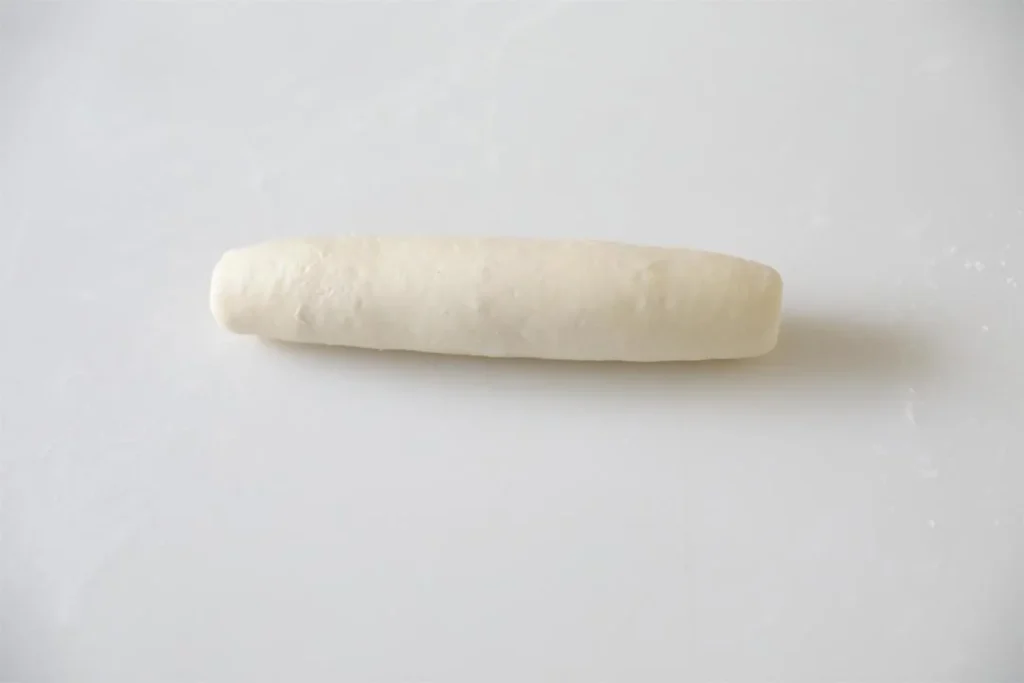
Flip it over and roll it up tightly from top to bottom, sealing the seam firmly.
-
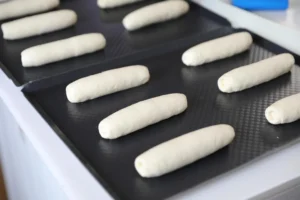 Step 11
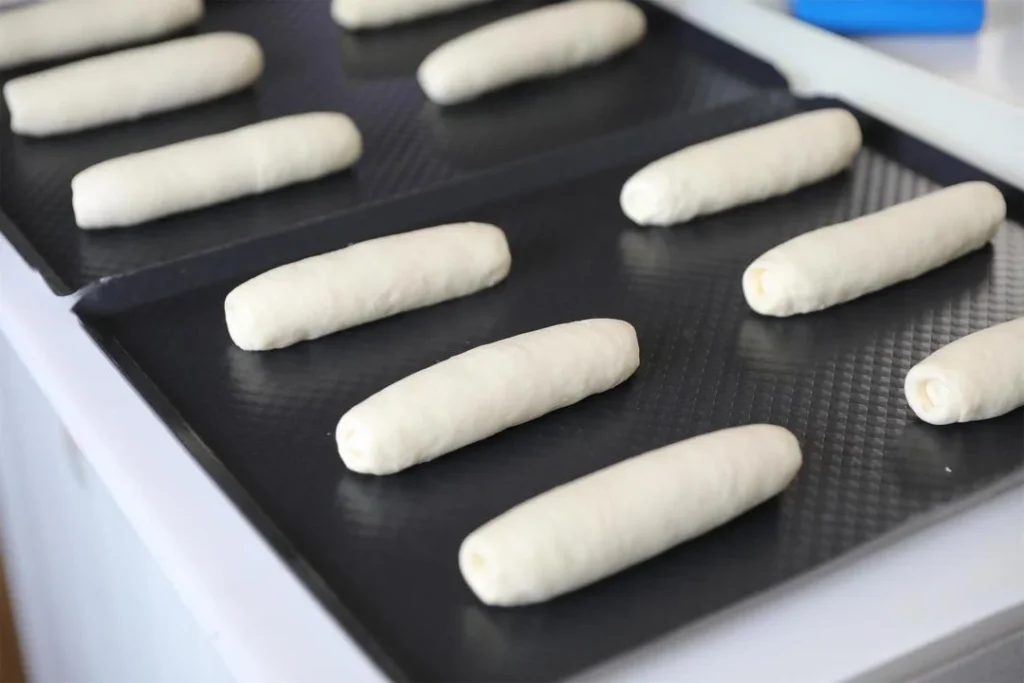
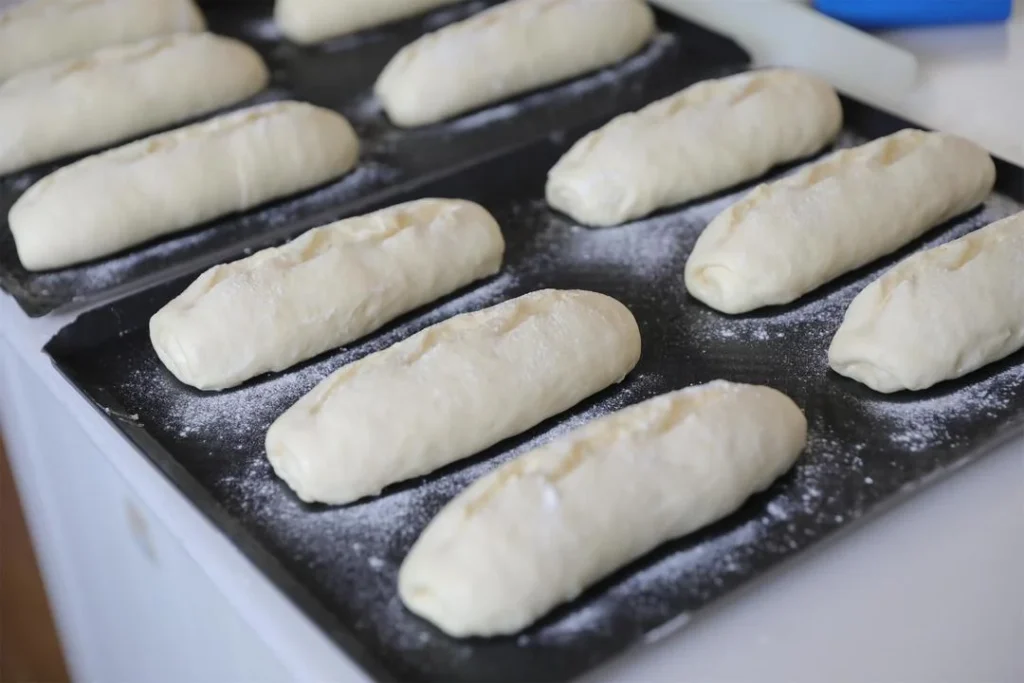
Place on the baking tray with the seam side down.
-
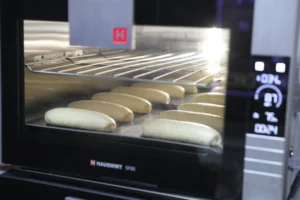 Step 12
Proof in an environment of about 32–34°C and 80% humidity.
-
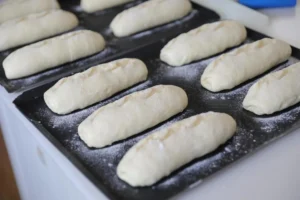 Step 13
Once the dough has doubled in size, dust the surface with flour and score. Optionally pipe a small amount of butter into the score marks.
-
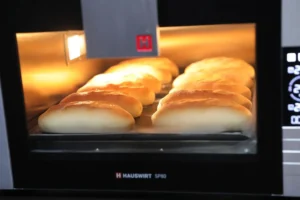 Step 14
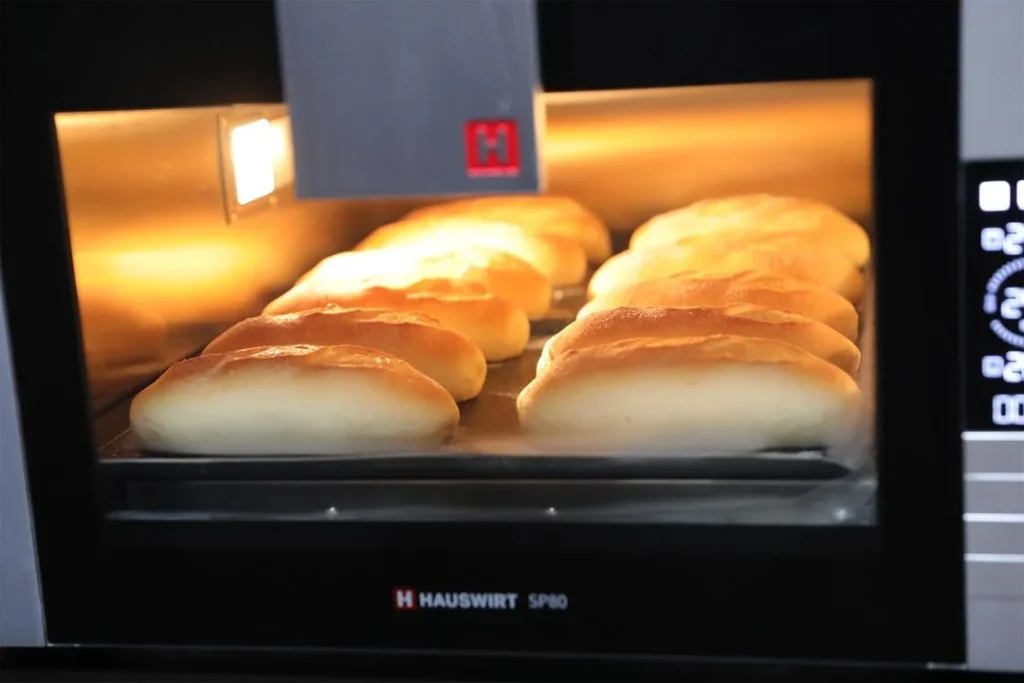
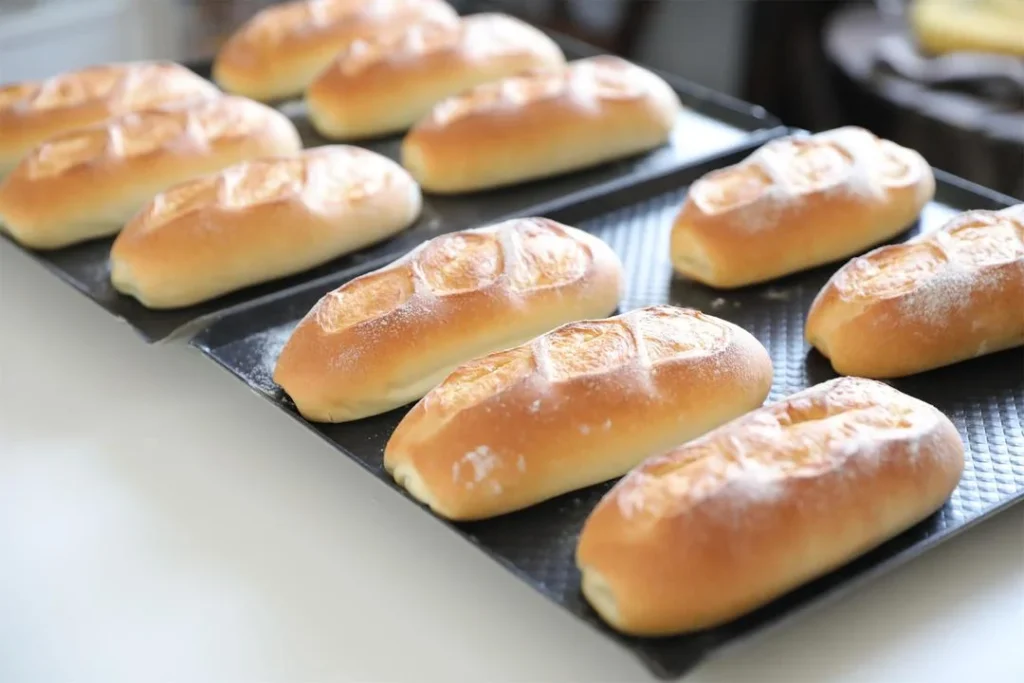
Bake in a preheated SP80 deck oven at 220°C top / 200°C bottom for 12 minutes. Note: adjust the temperature by ±10°C as needed; for home ovens, use your usual toast-baking settings.
-
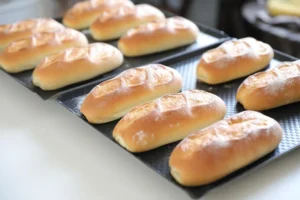 Step 15
Remove from the oven, tap the pan to release, and demould.
-
 Step 16
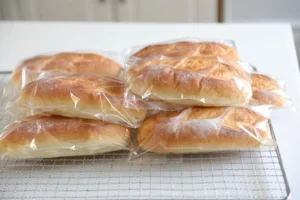
Let cool completely, then seal in a bag for storage.
Extra Rich Milk Bread Sticks
Chinese dish ready in 19 min using easy-level technique. Simple enough for weeknight cooking.
Ingredients
- Dough
- 500 as needed bread flour
- 55 as needed caster sugar
- 6.5 as needed salt
- 15 as needed fresh yeast
- 20 as needed milk powder
- 50 as needed whole egg
- 35 as needed condensed milk
- 330 as needed milk
- 35 as needed butter
- 100 as needed old dough (pre-ferment)
- 60 as needed tangzhong (water roux)
Instructions
-
Using the delayed-oil method: weigh all dough ingredients except butter and place them in the mixing bowl. Mix on low speed for about 1 minute until no dry flour remains, then increase to speed 5 to knead.
-
As the dough kneads, gluten gradually develops — you should be able to stretch it into a relatively thick sheet.
-
Add the softened butter and mix on low speed until the butter is fully incorporated.
-
Once the butter is absorbed, increase to speed 4–5 and continue kneading to full development. The dough should stretch into a relatively transparent, extensible membrane (windowpane test).
-
The dough temperature out of the bowl should be around 26°C. Remove the dough, shape it, and place it in a container.
-
Place in a proofing box set to 28°C and about 75% humidity for the first rise. Ferment for about 60 minutes until the dough has roughly doubled to 2.5× its original size.
-
Remove the dough and divide into portions of about 100–120 g each.
-
Fold and shape each portion into a round. Return to the proofing box at 28°C and 75–80% humidity to rest for 20 minutes.
-
Take a well-relaxed dough portion and roll it out flat.
-
Flip it over and roll it up tightly from top to bottom, sealing the seam firmly.
-
Place on the baking tray with the seam side down.
-
Proof in an environment of about 32–34°C and 80% humidity.
-
Once the dough has doubled in size, dust the surface with flour and score. Optionally pipe a small amount of butter into the score marks.
-
Bake in a preheated SP80 deck oven at 220°C top / 200°C bottom for 12 minutes. Note: adjust the temperature by ±10°C as needed; for home ovens, use your usual toast-baking settings.
-
Remove from the oven, tap the pan to release, and demould.
-
Let cool completely, then seal in a bag for storage.
Recipe Details
Common Questions
How can I make this spicier?
Add chili oil or chili crisp to taste, or include dried red chilies during cooking. A dash of Sichuan peppercorn adds a different kind of heat.