
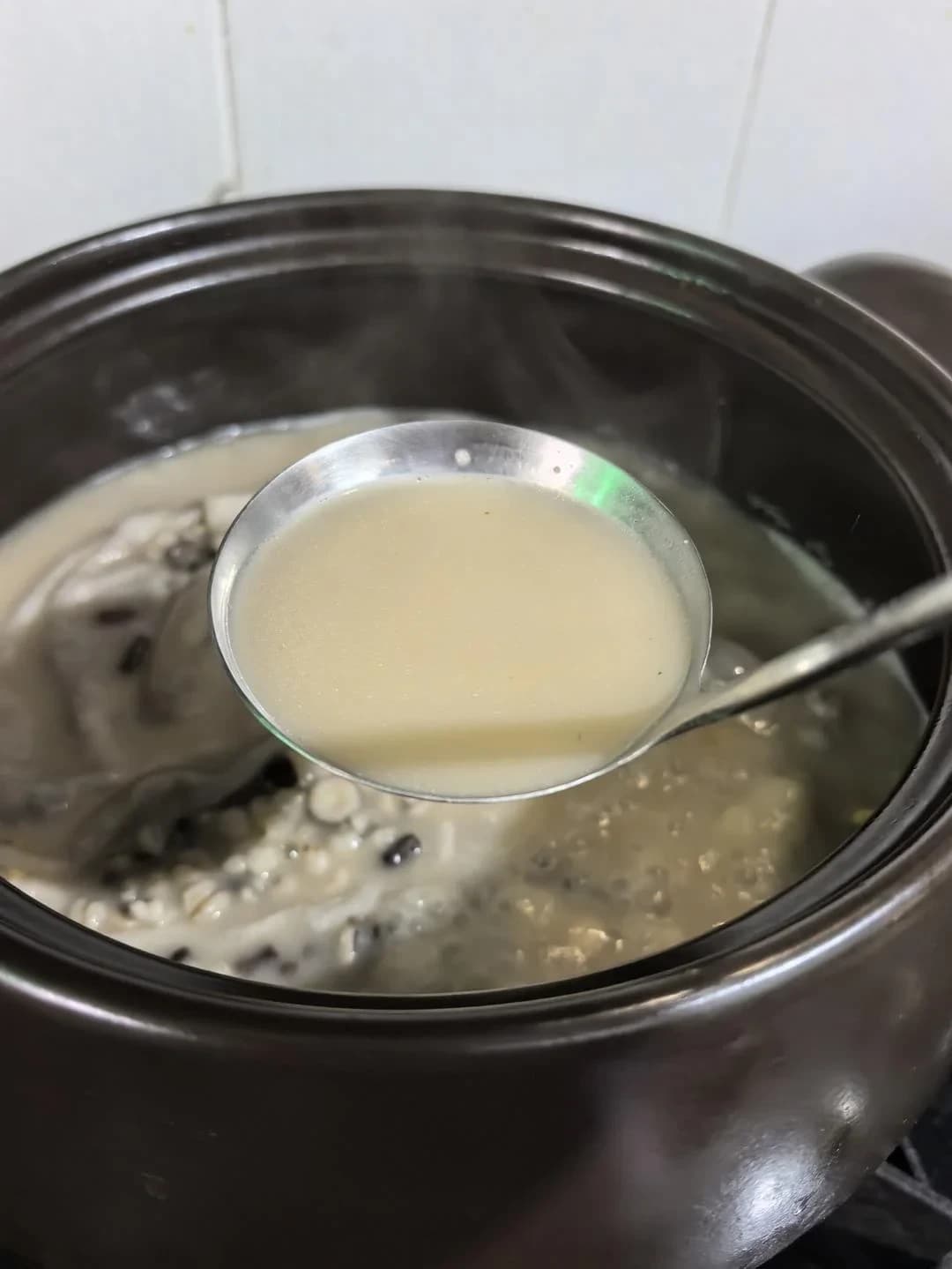
Capillary Wormwood and Crucian Carp Soup
绵茵陈鲫鱼汤 · cantonese cuisine
Capillary Wormwood and Crucian Carp Soup is a medium recipe from the self-published legacy Chopzen collection, catalogued as soup.
 Chef ChopzenChopzen project content lead. Curating and testing every published recipe for US home cooks.
Key failure points
- If Gritty, sandy texture in the finished soup: Rinse everything in several changes of cold water, rubbing the capillary wormwood between your palms, and drain well before use
- If The soup tastes harshly bitter and medicinal: Weigh the wormwood carefully and stick to the recipe amount; if it is already too bitter, dilute with extra water or shorten the simmering time
- If A muddy, bitter flavor in the finished broth: Scrub the belly cavity under running water with a knife until the dark membrane is completely gone
Nutrition & allergens
No supported allergens detected from surveyed ingredients.
Some ingredients are not yet allergen-surveyed; this label is not exhaustive.
Per serving (4 servings)
- Energy (kcal)
- Unknown
- Protein (g)
- Unknown
- Fat (g)
- Unknown
- Carbs (g)
- Unknown
- Sodium (mg)
- Unknown
Estimated from verified ingredient data for the original formula — not lab values, and one dish is not a full meal.
1.0 whole
1.0 piece
1.0 piece
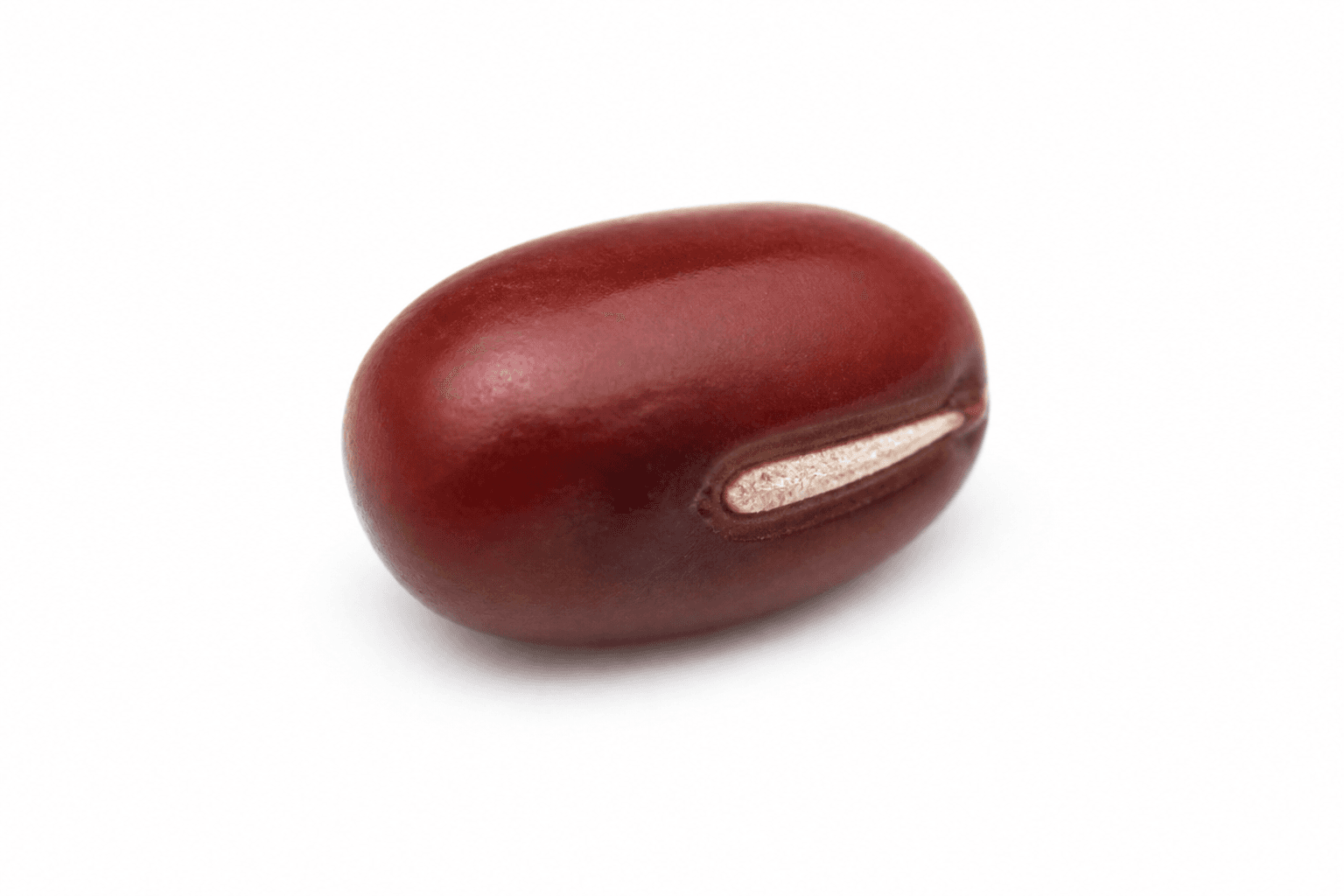
adzuki bean赤小豆
1.0 piece
capillary wormwood (Yin Chen)绵茵陈
1.0 piece
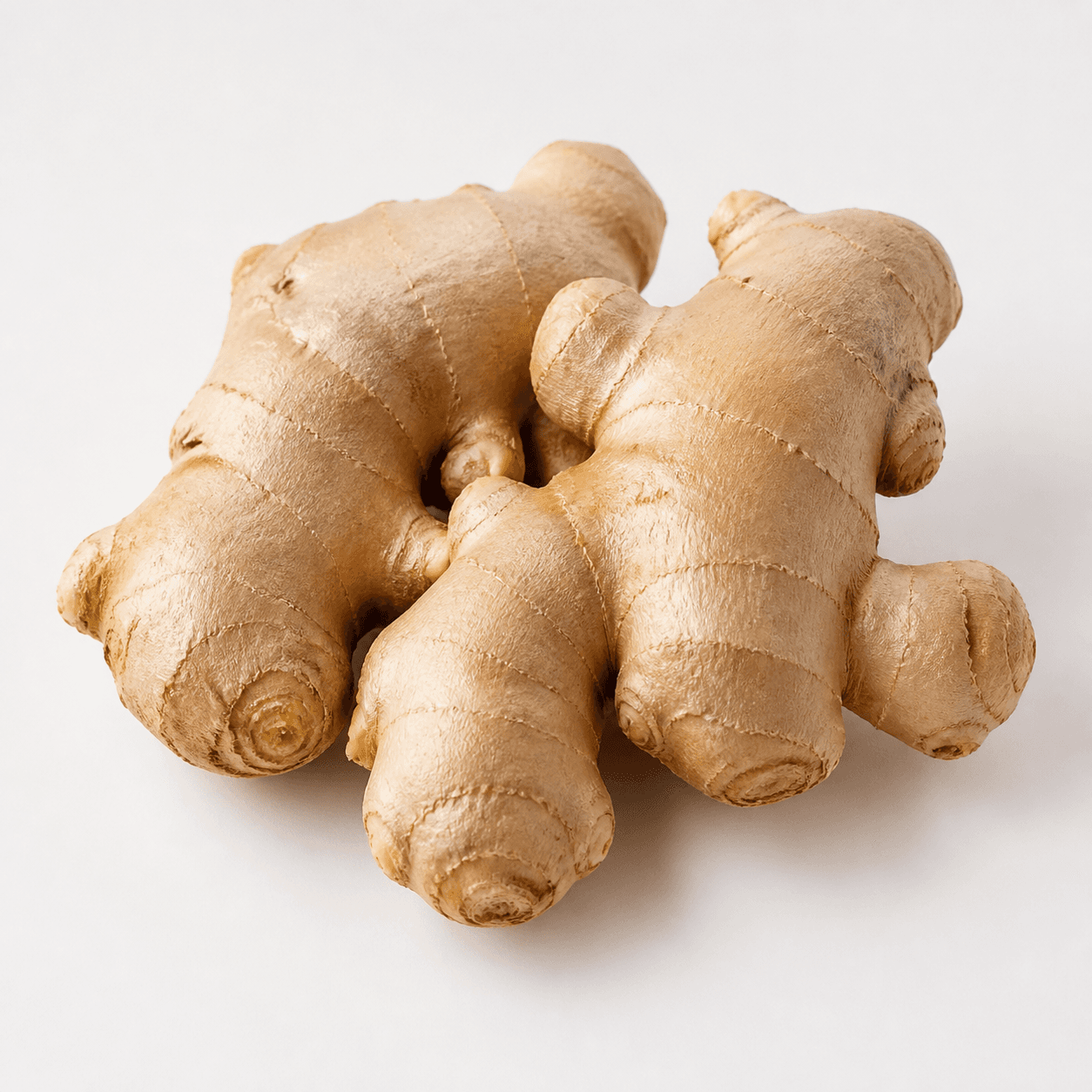
1.0 slice
salt盐
to taste
Steps
- 1
Step 1
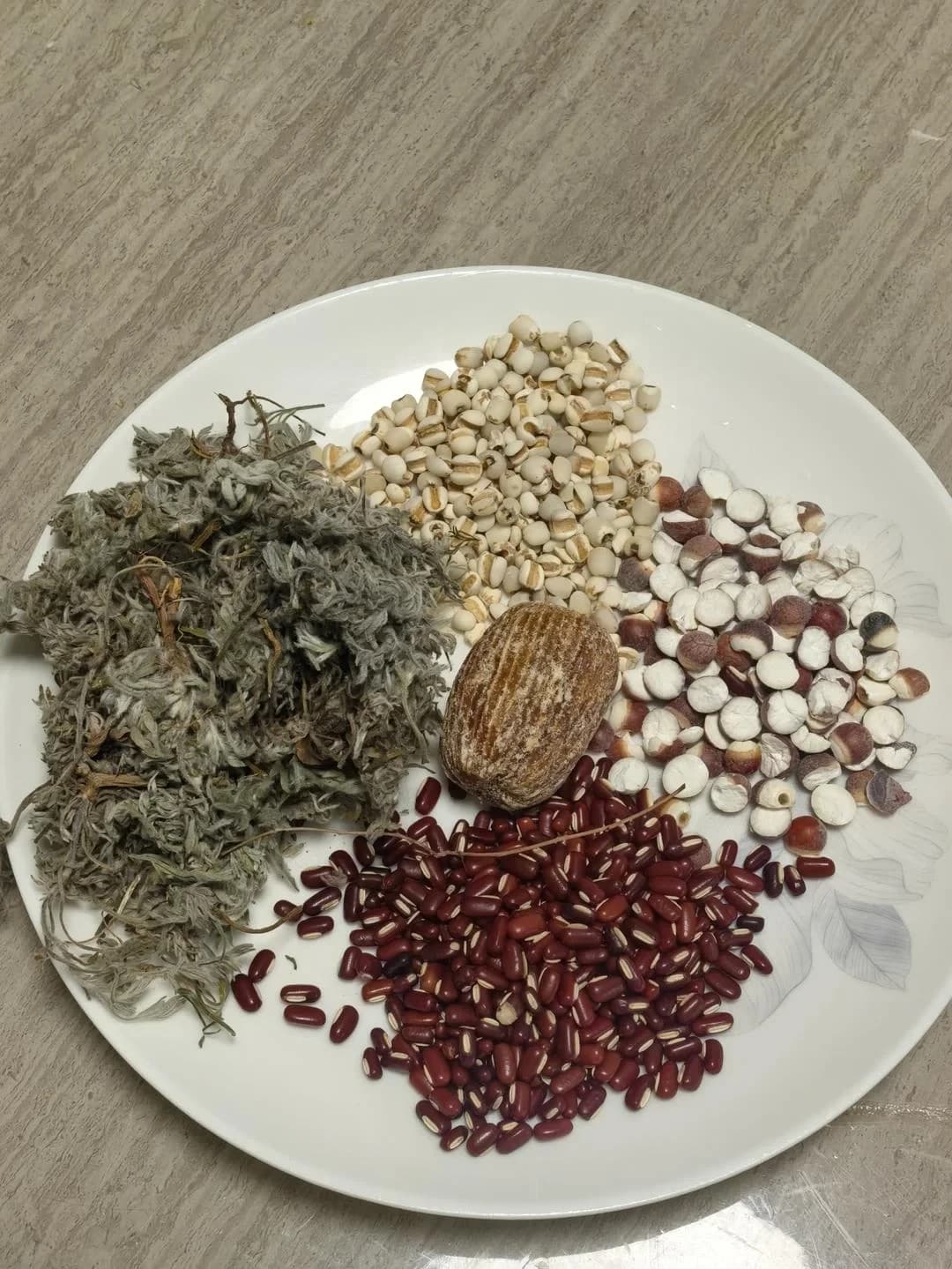
Prepare the capillary wormwood, coix seed, Gorgon nut (Qian Shi), adzuki beans, and dried jujube. (Some recipes also add kapok flower and Smilax glabra root — this is a simplified version to keep the herbal flavor mild so kids will enjoy it.)
✅ Done when: Prepare the capillary wormwood, coix seed, Gorgon nut (Qian Shi), adzuki beans, and dried jujube. (Some recipe. Finished: Heat the pan or oil to about 180 C before adding the mixture; the surface should sizzle gently on contact.
Watch out: Rinse the dried herbs, beans, and seeds thoroughly — they're often dusty and gritty straight from the bag. Also measure the capillary wormwood carefully; too much will make the soup bitter and medicinal-tasting.
If Gritty, sandy texture in the finished soup:
Rinse everything in several changes of cold water, rubbing the capillary wormwood between your palms, and drain well before use
If The soup tastes harshly bitter and medicinal:
Weigh the wormwood carefully and stick to the recipe amount; if it is already too bitter, dilute with extra water or shorten the simmering time
- 2
Step 2
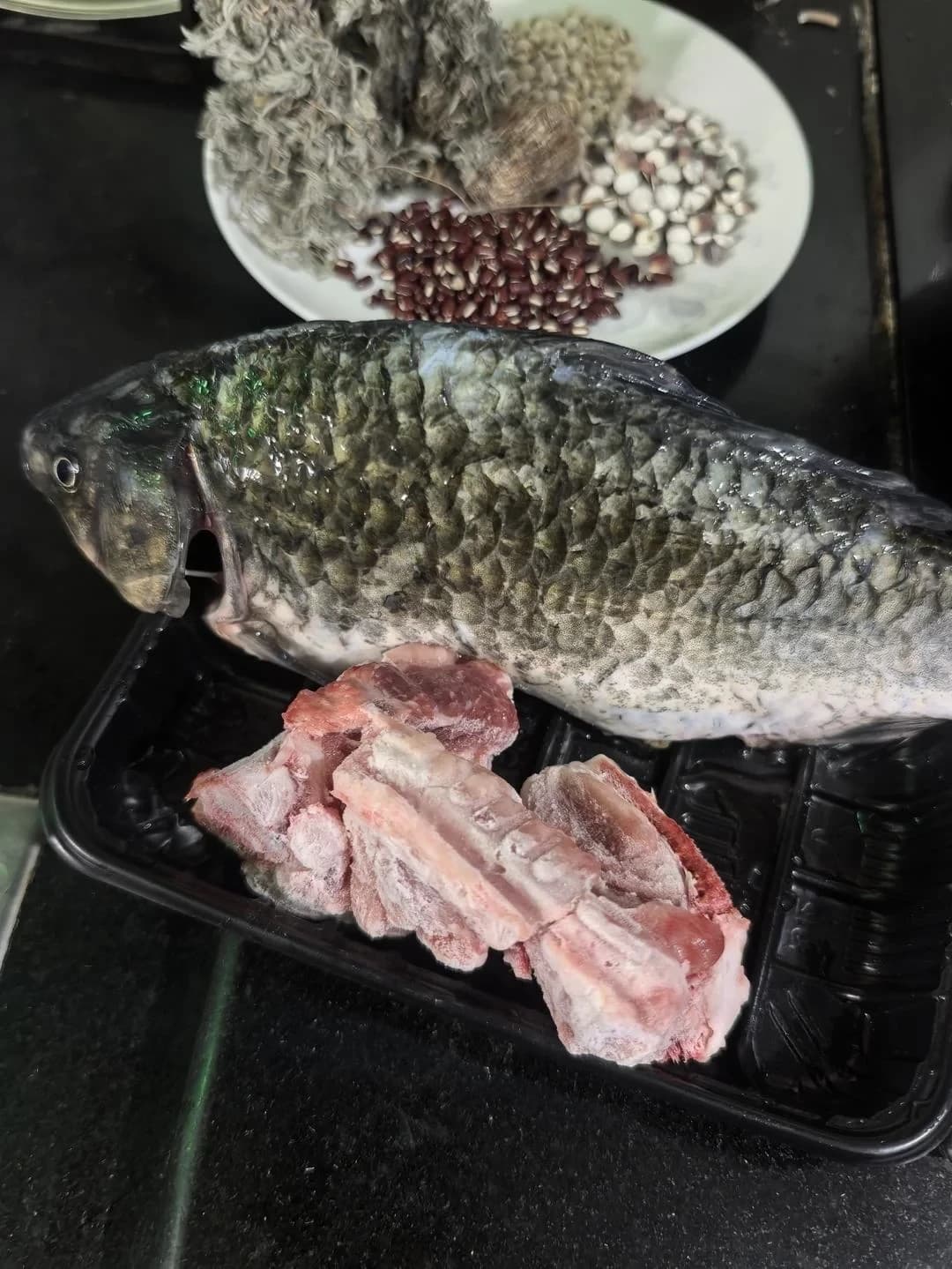
White crucian carp and pork bones. (Adding pork bones makes the soup slightly sweeter.)
✅ Done when: White crucian carp and pork bones. (Adding pork bones makes the soup slightly sweeter.). Finished: Heat the pan or oil to about 180 C before adding the mixture; the surface should sizzle gently on contact.
Watch out: Have the crucian carp fully scaled and gutted, and scrub away the black membrane lining the belly — leaving it on gives the soup a muddy, bitter flavor. Crucian carp has many fine bones, so handle it carefully.
If A muddy, bitter flavor in the finished broth:
Scrub the belly cavity under running water with a knife until the dark membrane is completely gone
If Scales or leftover innards end up in the soup:
Have the fish scaled and gutted completely, then rinse the cavity thoroughly before frying
- 3
Step 315 min
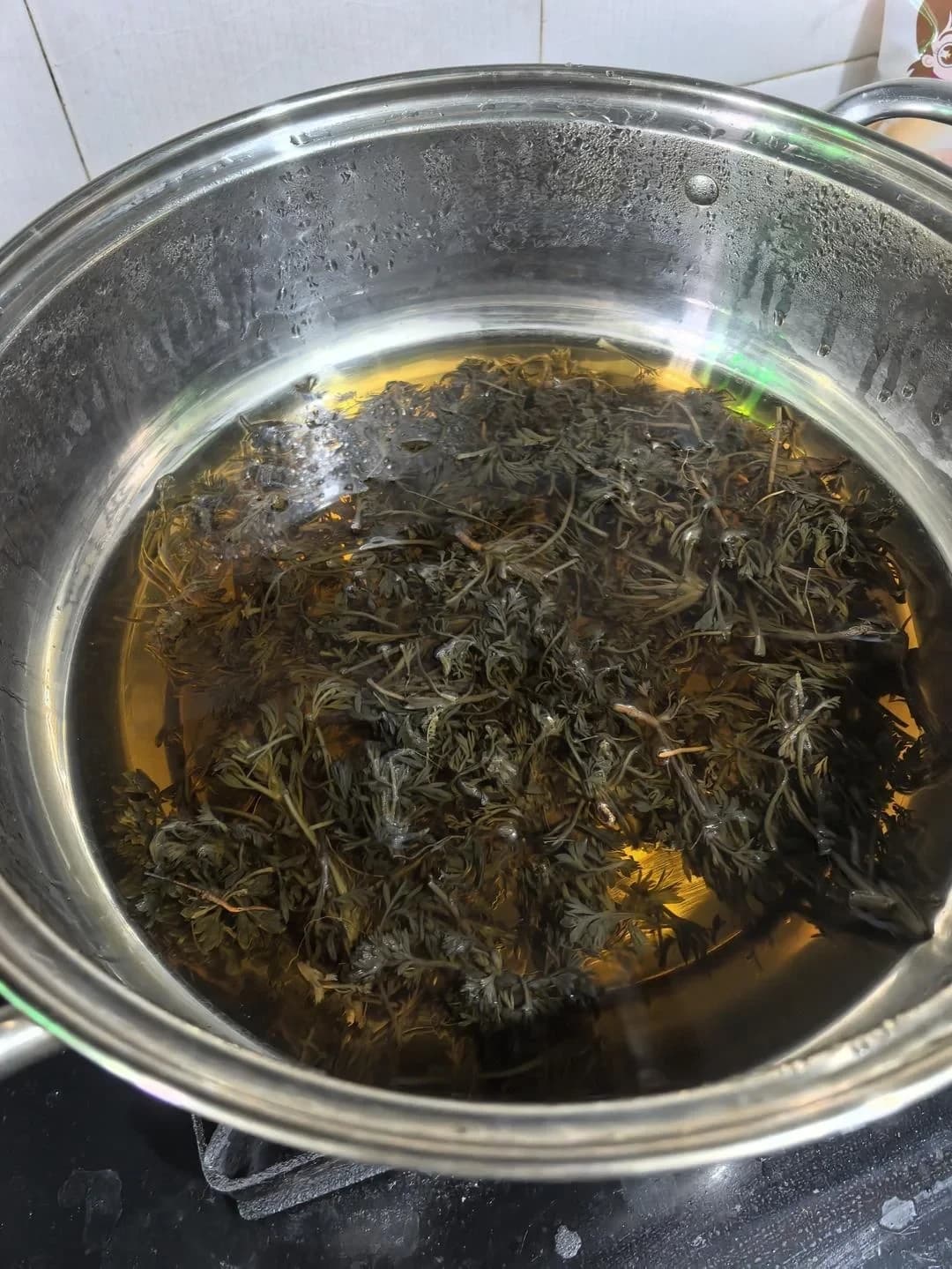
Toast the Gorgon nut and coix seed in a dry pan, then set aside. Tear open the capillary wormwood and wash it thoroughly. To make serving easier later, boil the capillary wormwood in water first (bring to a boil, then simmer for 15 minutes) and reserve the infused water.
✅ Done when: Toast the Gorgon nut and coix seed in a dry pan, then set aside. Tear open the capillary wormwood and wash it. Finished: Heat the pan or oil to about 180 C before adding the mixture; the surface should sizzle gently on contact.
Watch out: Toast the Gorgon nut and coix seed over low heat and stir constantly — high heat scorches them and adds bitterness. Wash the wormwood very thoroughly; it's often sandy, and don't discard the infused water by mistake.
If The Gorgon nut and coix seed taste scorched and bitter:
Toast over low heat with constant stirring until lightly fragrant; discard any batch that has blackened
If Gritty sand settles in the reserved wormwood water:
Wash the wormwood in several changes of water until no grit settles, and strain the infused water before adding it to the pot
- 4
Step 4
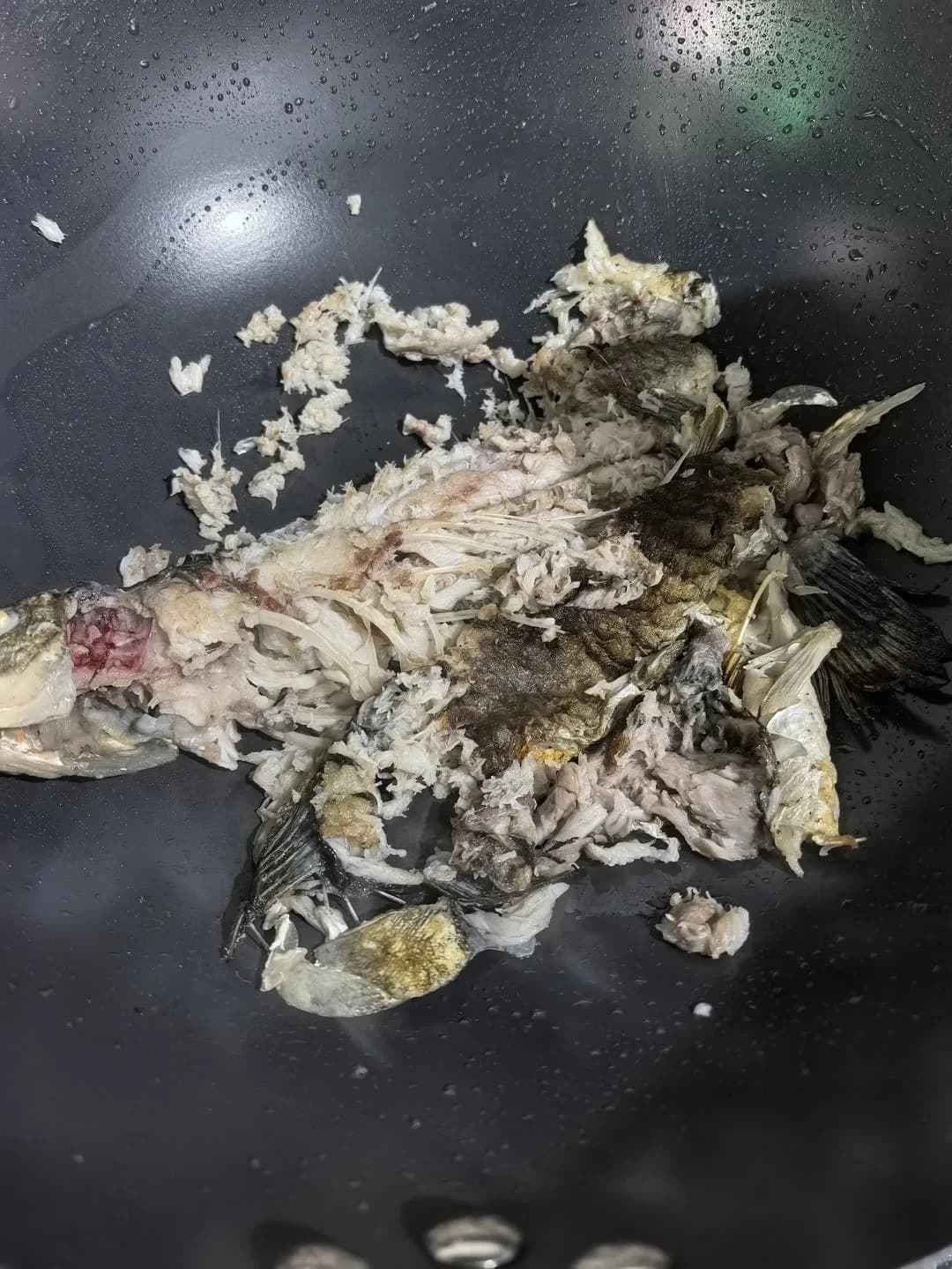
Blanch the pork bones and set aside. Pan-fry the crucian carp on both sides until golden, pressing down to break it up.
✅ Done when: Blanch the pork bones and set aside. Pan-fry the crucian carp on both sides until golden, pressing down to bre. Finished: Heat the pan or oil to about 180 C before adding the mixture; the surface should sizzle gently on contact.
Watch out: Pat the fish completely dry before it hits the pan, or the oil will splatter and the skin will stick and tear. For blanching, start the bones in cold water so the scum releases properly.
If The fish skin sticks to the pan and tears, and hot oil splatters:
Pat the fish completely dry with paper towels and make sure the oil is hot before adding it
If The broth later turns gray and develops off flavors:
Start the bones in cold water, bring to a boil, skim the scum, simmer a few minutes, then rinse the bones
- 5
Step 5
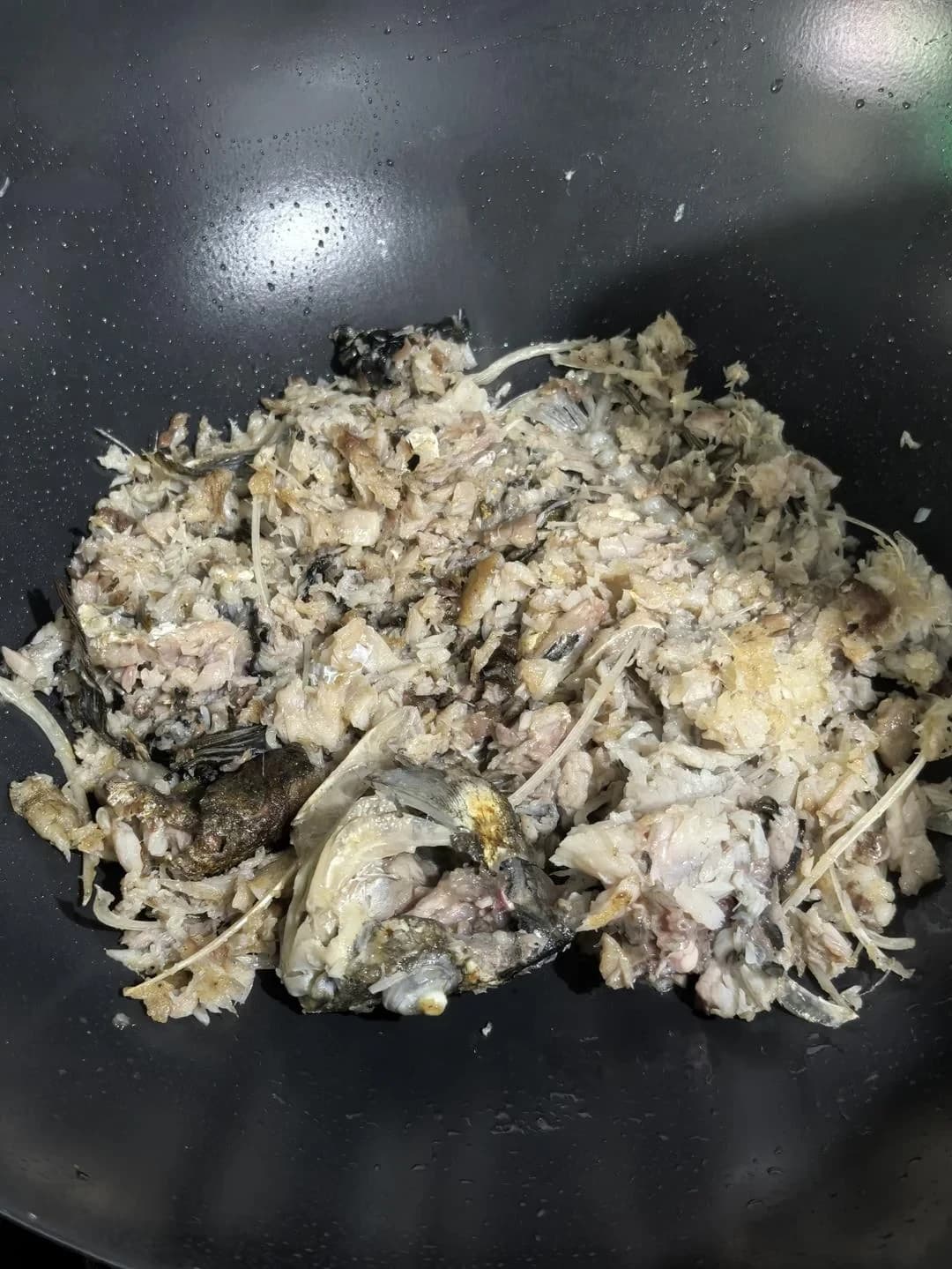
Continue frying until fragrant to reduce any muddy taste from the fish.
✅ Done when: Continue frying until fragrant to reduce any muddy taste from the fish. Finished: Heat the pan or oil to about 180 C before adding the mixture; the surface should sizzle gently on contact.
Watch out: Keep the heat moderate — burnt fish bits will make the whole soup bitter. Scrape the flavorful browned bits off the pan instead of letting them darken past golden.
If The finished soup has an acrid, burnt bitterness:
Keep the heat moderate and scrape up the browned bits while they are still golden; discard any that have blackened
If A muddy, fishy taste remains in the broth:
Continue frying until the fish smells fragrant and the bits are evenly golden before adding liquid
- 6
Step 6
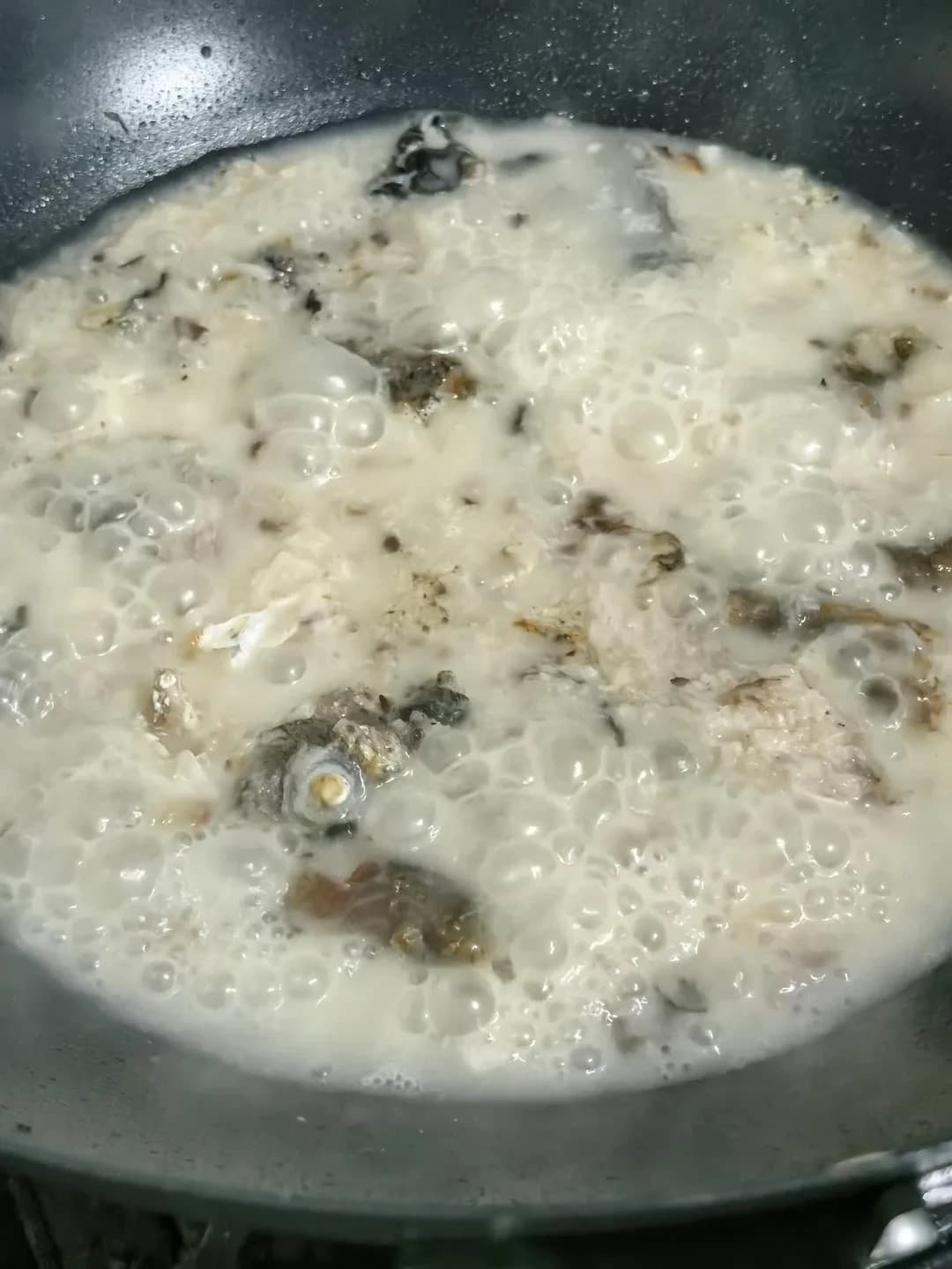
Once the fish is nicely fried, pour in boiling water and bring to a rolling boil.
✅ Done when: Once the fish is nicely fried, pour in boiling water and bring to a rolling boil. Finished: Heat the pan or oil to about 180 C before adding the mixture; the surface should sizzle gently on contact.
Watch out: Pour in boiling water, never cold — cold water keeps the broth thin and pale instead of emulsifying it milky white. Stand back when pouring to avoid steam and hot-oil spatter.
If The broth stays thin and pale instead of turning milky white:
Pour in boiling water and hold a rolling boil for several minutes to emulsify the broth
If Steam and hot oil spatter toward the cook:
Stand back, pour the water slowly along the side of the pan, and shield yourself if needed
- 7
Step 7
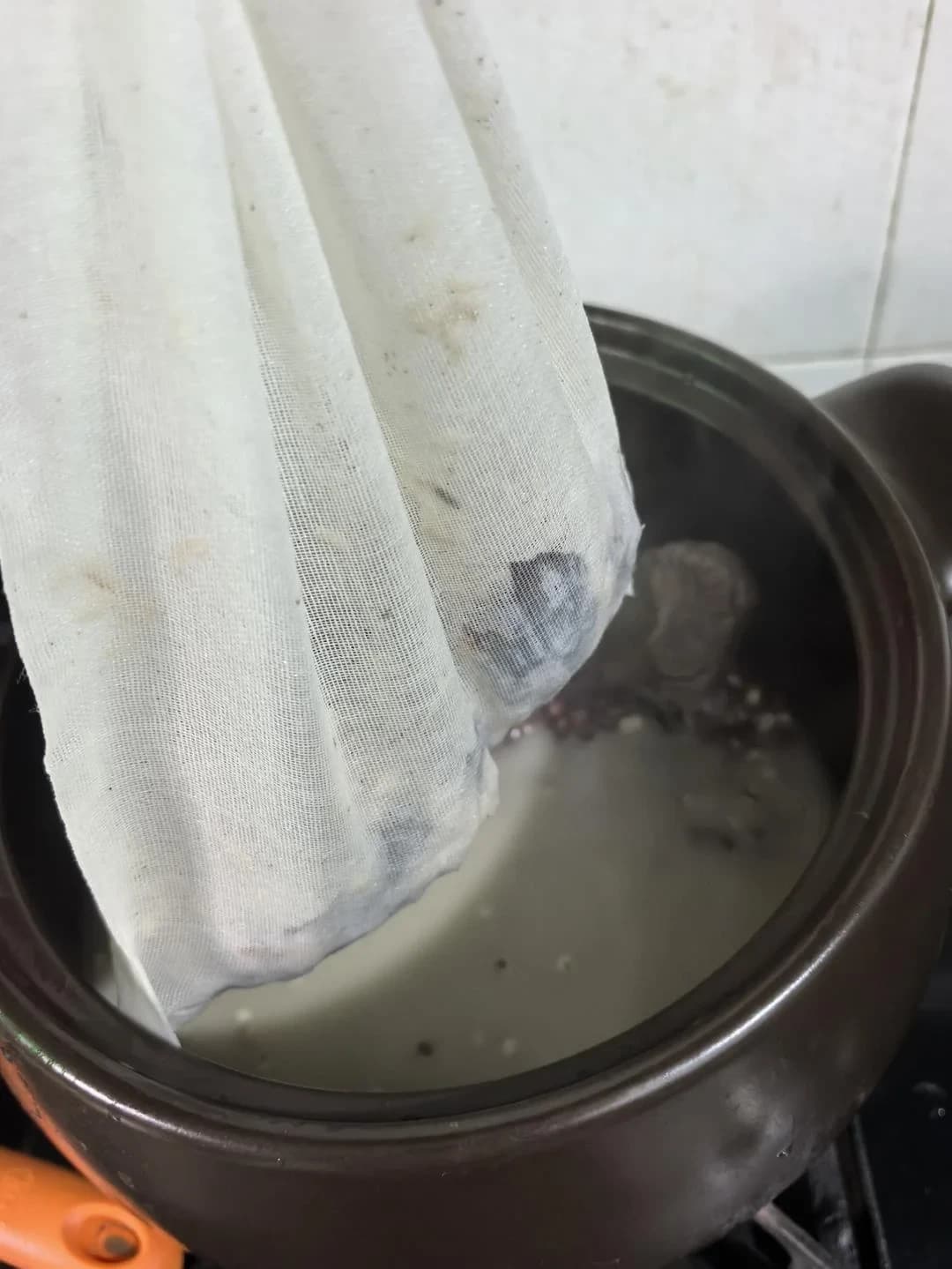
Place the fish residue into a soup bag and tie it shut securely. Put the fish soup, fish bag, and all other soup ingredients into a clay pot. Add the capillary wormwood infused water (do not add the wormwood itself). Don't forget the ginger slice! Add water as needed depending on your ingredients and pot size.
✅ Done when: Place the fish residue into a soup bag and tie it shut securely. Put the fish soup, fish bag, and all other so. Finished: Heat the pan or oil to about 180 C before adding the mixture; the surface should sizzle gently on contact.
Watch out: Tie the soup bag tightly or fine fish bones will slip into the broth. Add only the wormwood's infused water, never the boiled wormwood itself, or the soup turns harsh and bitter. Leave headroom in the pot so it won't boil over.
If Fine fish bones are found in the served soup:
Double-knot the bag, use a fine-weave bag or double-bag the fish residue, and strain the broth if in doubt
If The soup tastes harsh and overly bitter:
Add only the strained infused water and remove any wormwood leaves that slipped into the pot
- 8
Step 860 min
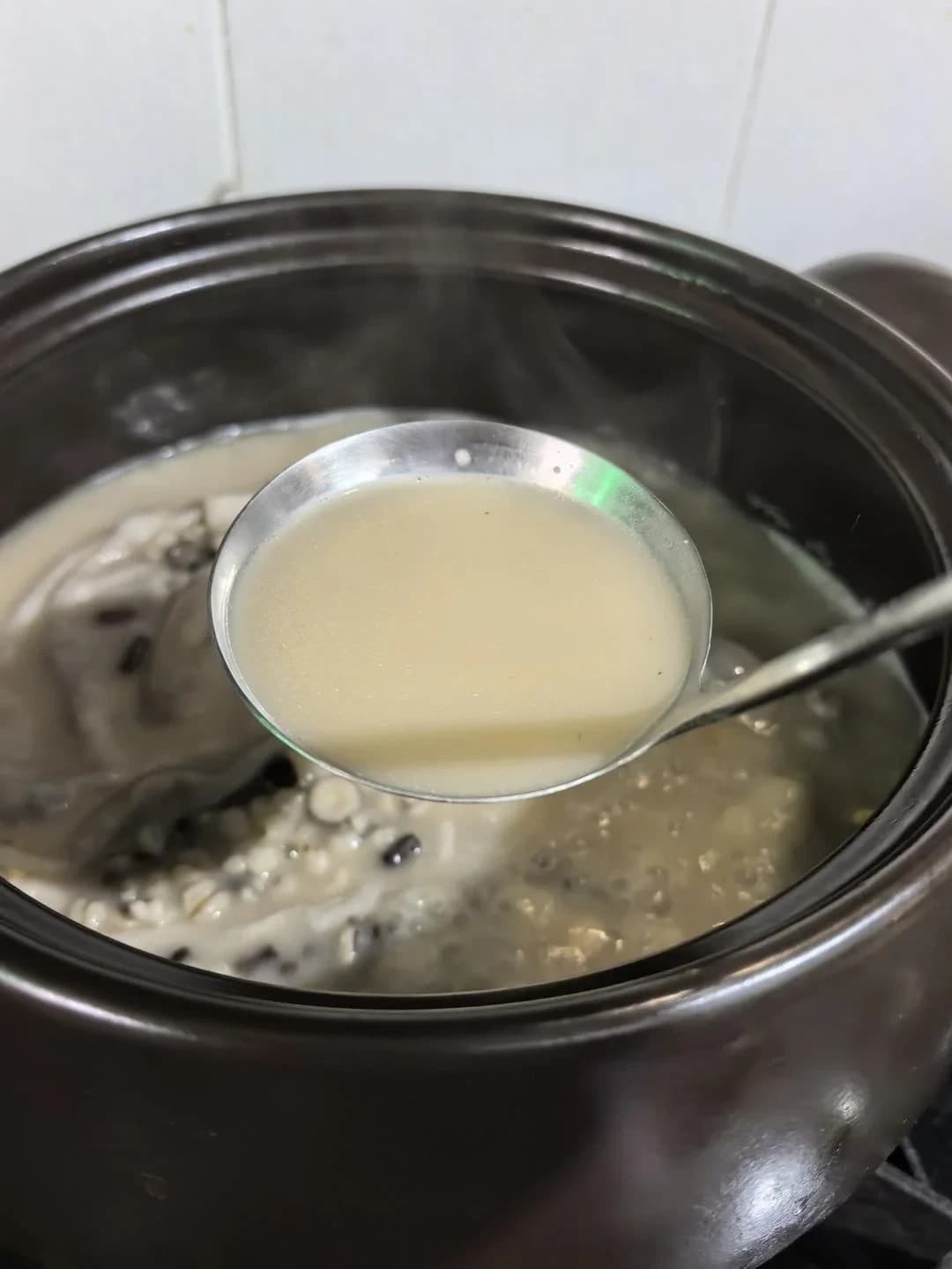
Bring to a boil over high heat, then reduce to low heat and simmer for about 60 minutes. Season with salt, and finally add a tiny pinch of white pepper — just enough that you can't actually taste it.
✅ Done when: Bring to a boil over high heat, then reduce to low heat and simmer for about 60 minutes. Season with salt, and. Finished: Heat the pan or oil to about 180 C before adding the mixture; the surface should sizzle gently on contact.
Watch out: Keep the simmer gentle — a rolling boil for the full hour clouds the broth and boils off too much liquid. Season with salt at the end, not the start, and go easy on the white pepper.
If The broth turns cloudy and reduces too much during the hour:
Reduce to the lowest steady simmer, partially cover, and top up with hot water if too much liquid cooks off
If The soup ends up too salty or sharply peppery:
Season with salt only at the end and taste as you go; use just a pinch of white pepper, and dilute with hot water if over-seasoned