
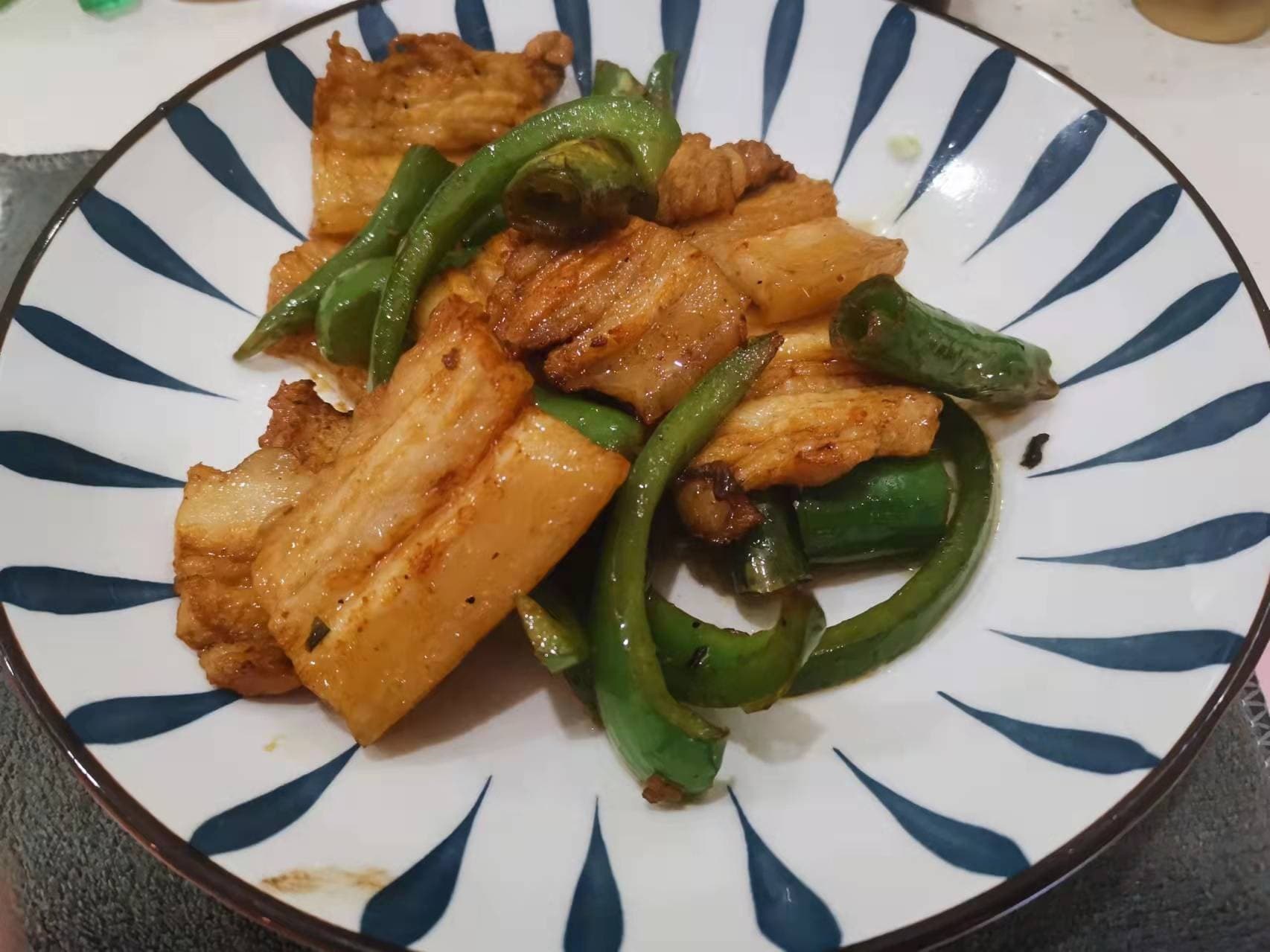
Sichuan Twice-Cooked Pork
回锅肉 · sichuan cuisine · Sichuan
Twice-cooked pork is a Sichuan dish of pork that is first simmered, then sliced thin and returned to a hot wok. Doubanjiang, soy sauce, garlic sprouts, fresh pepper, and rendered pork fat create its characteristic savory aroma.
 Chef ChopzenChopzen project content lead. Curating and testing every published recipe for US home cooks.
Key failure points
- If The pork slices are thick, greasy, and difficult to chew.: Chill the cooked pork until firm and use a sharp knife to make thin slices.
- If The lean portion is dry before the fat turns translucent.: Use a properly heated wok and stop once the edges curl and the fat clears.
Nutrition & allergens
No supported allergens detected from surveyed ingredients.
Some ingredients are not yet allergen-surveyed; this label is not exhaustive.
Per serving (4 servings)
- Energy (kcal)
- Unknown
- Protein (g)
- Unknown
- Fat (g)
- Unknown
- Carbs (g)
- Unknown
- Sodium (mg)
- Unknown
Estimated from verified ingredient data for the original formula — not lab values, and one dish is not a full meal.
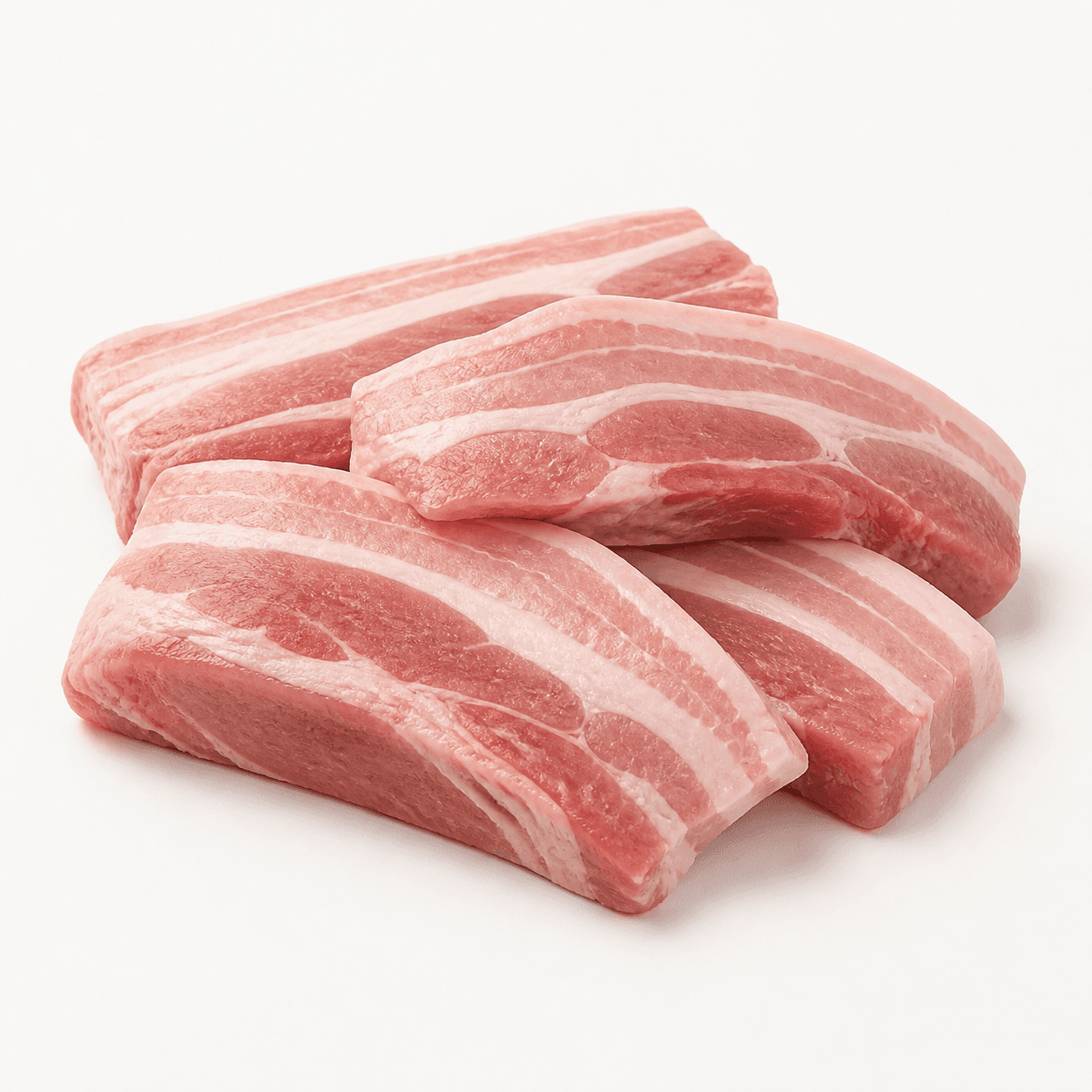
pork belly五花肉
21.16 oz — left in one piece for simmering
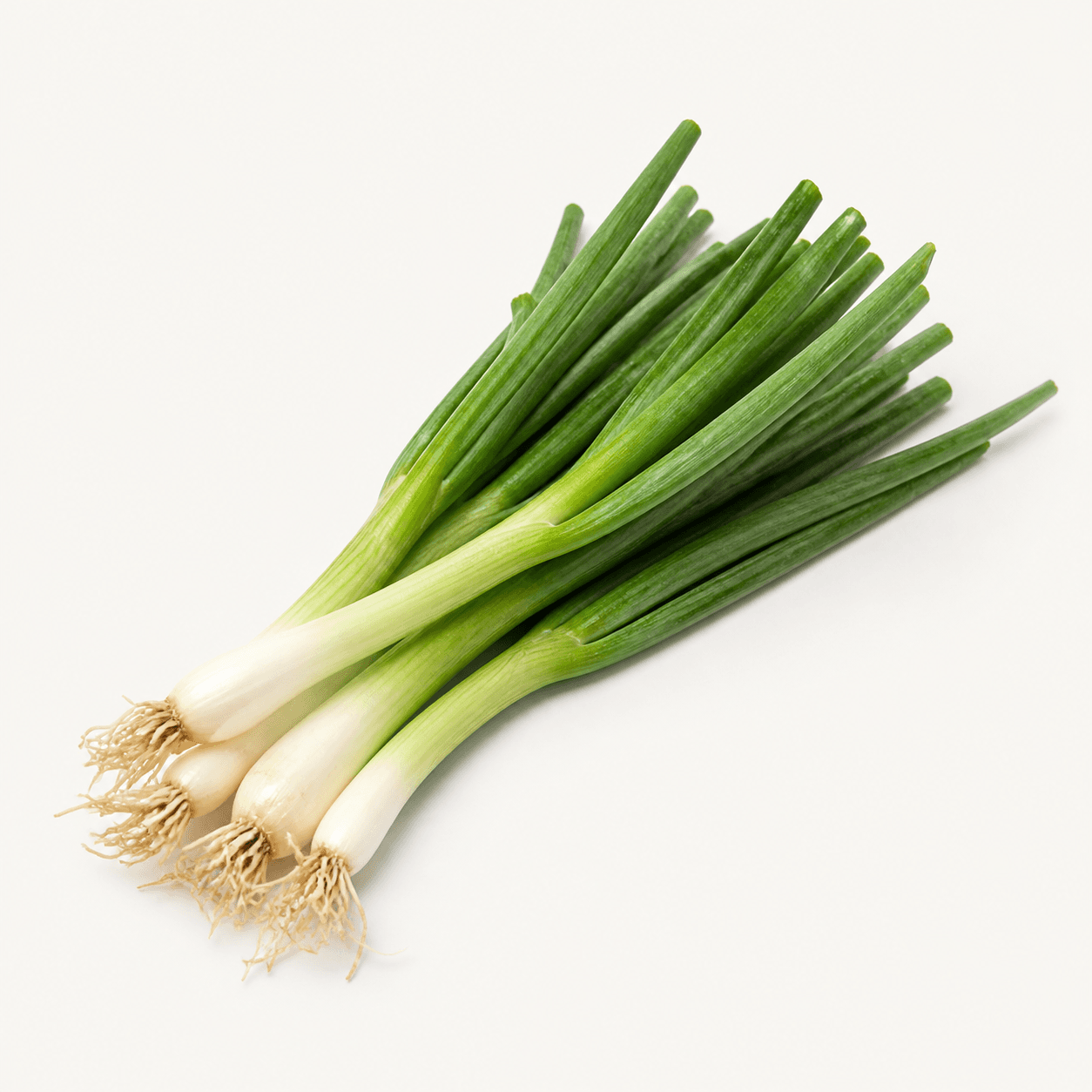
2.0 stalk — tied into a knot
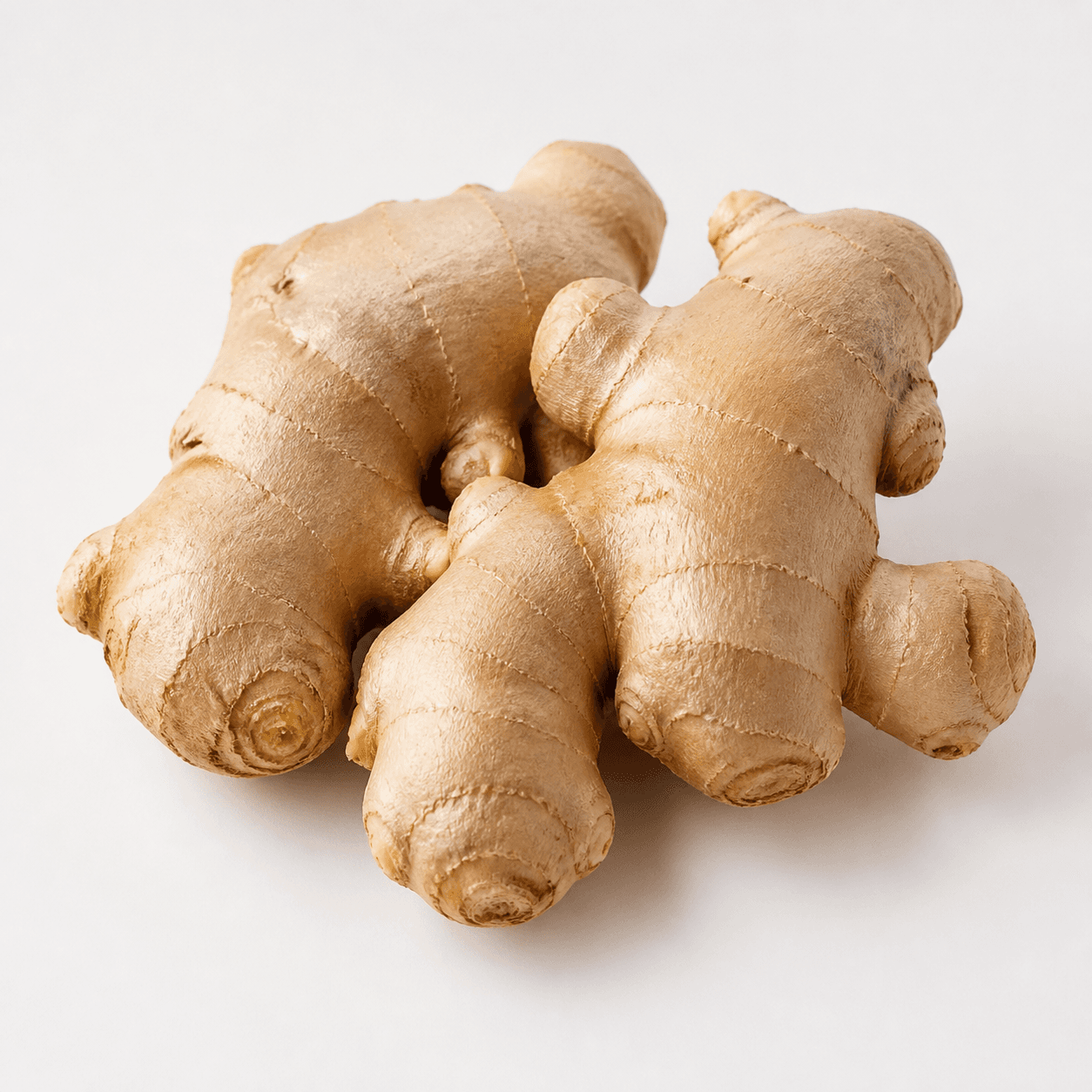
0.88 oz — thinly sliced and divided
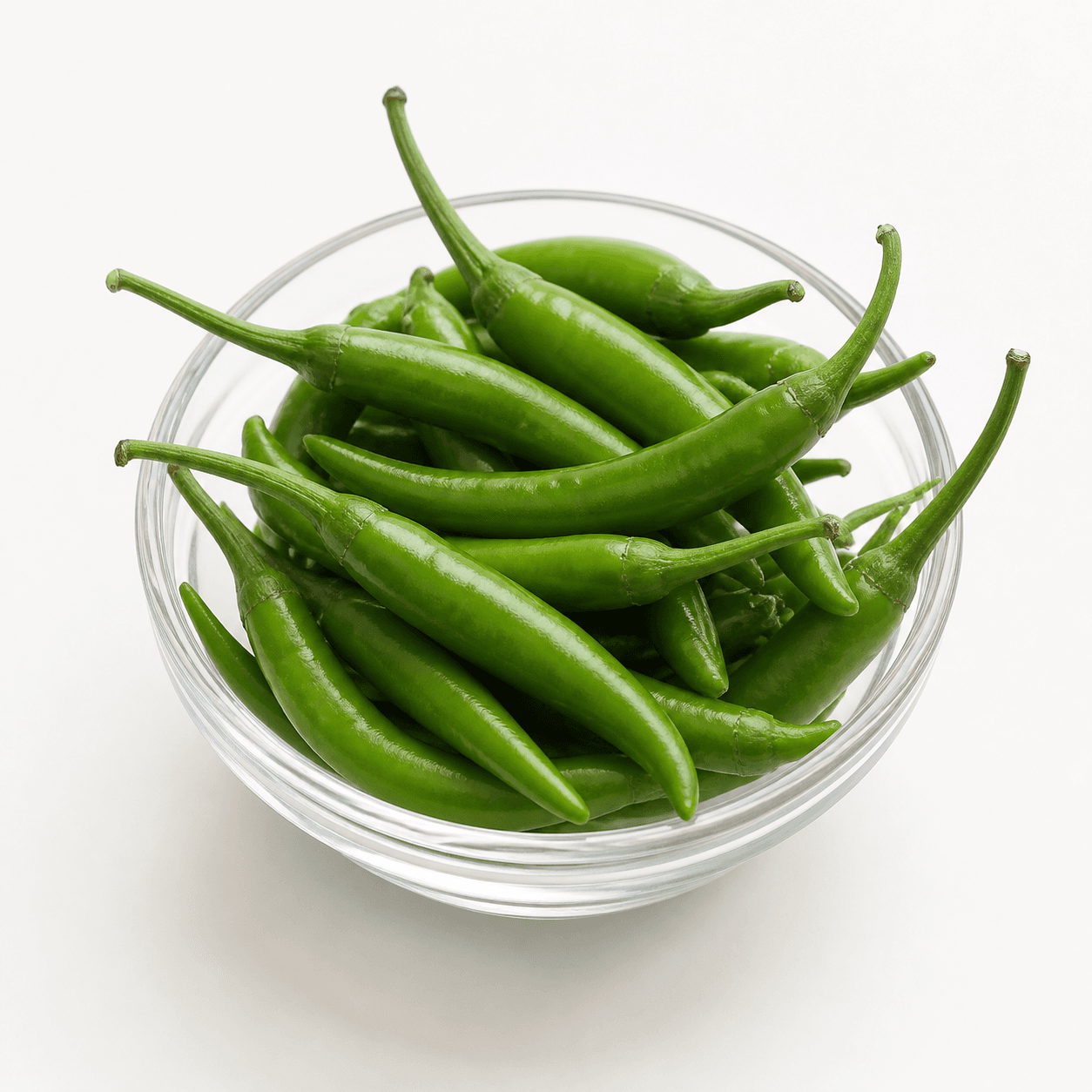
Fresh chile pepper青红椒Optional
0.71 oz — thinly sliced
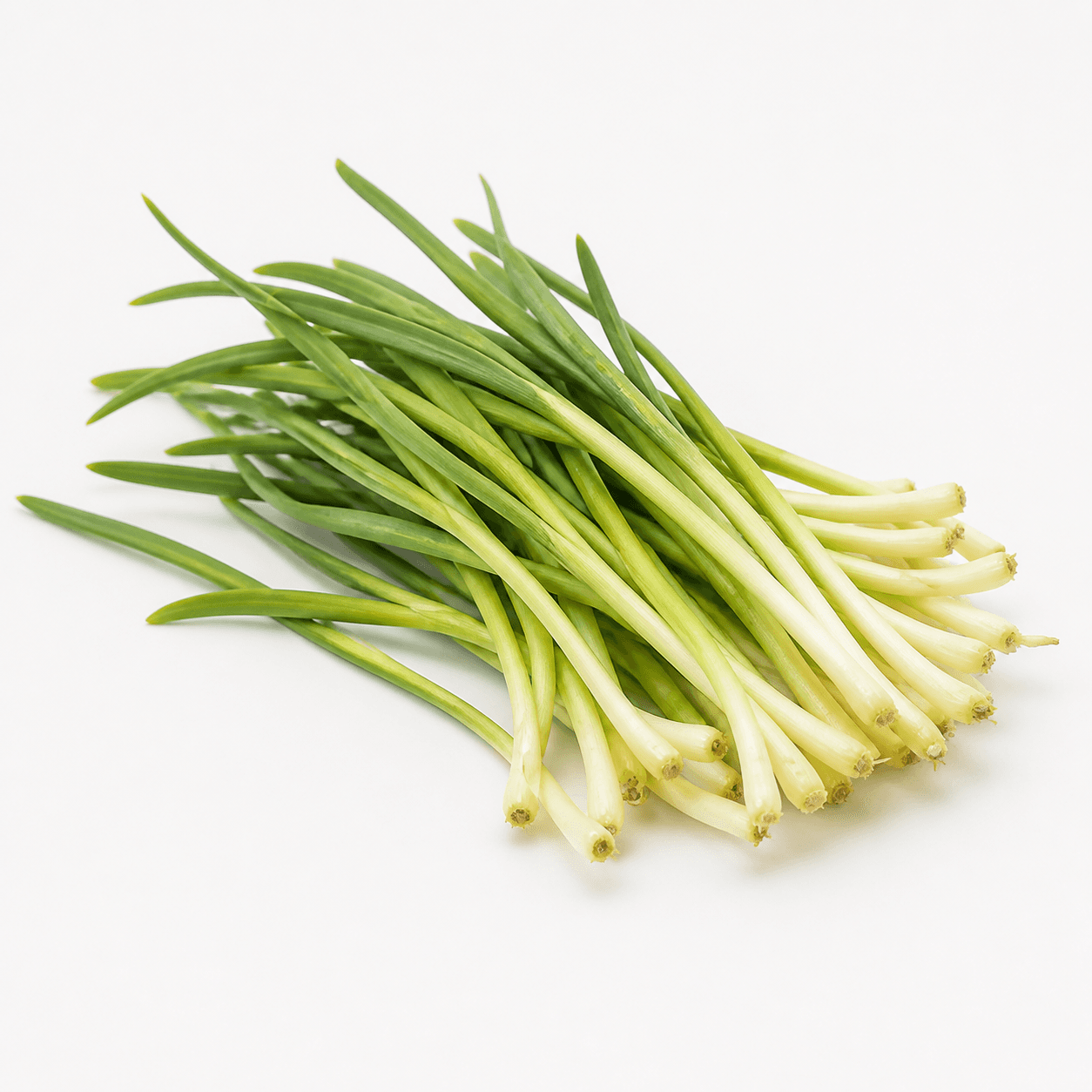
7.05 oz — cut into 5 cm lengths
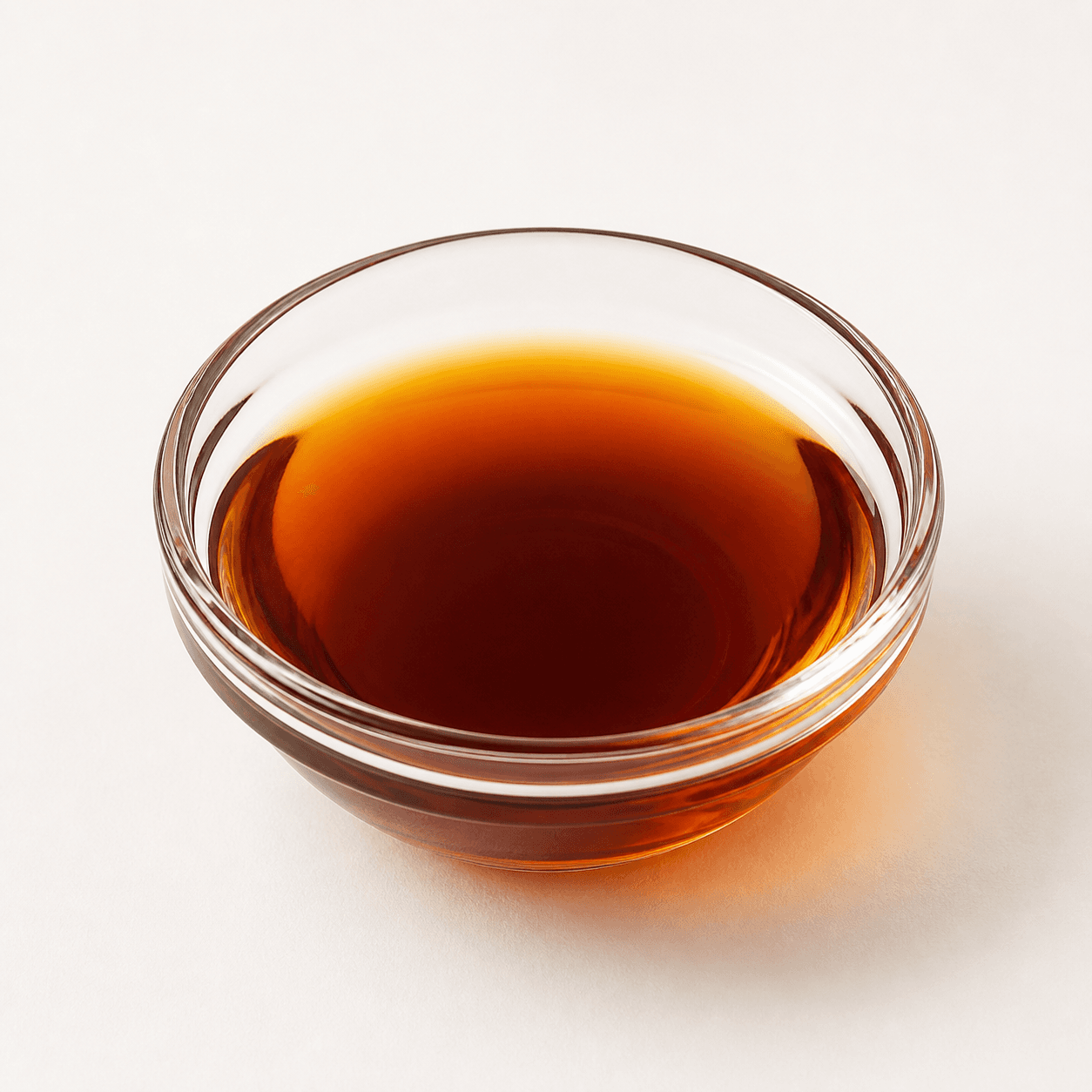
0.02 cup
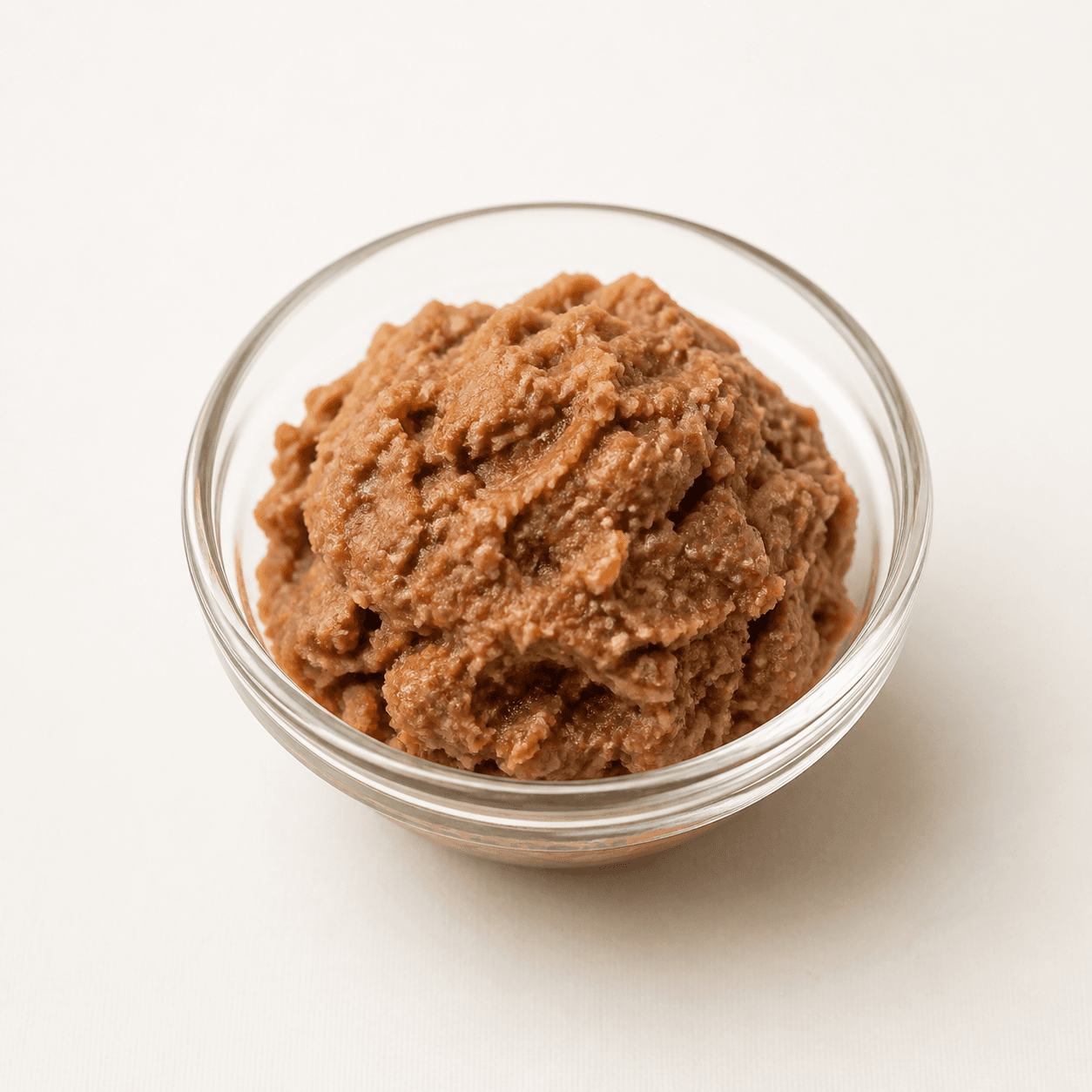
0.71 oz — finely chopped if coarse
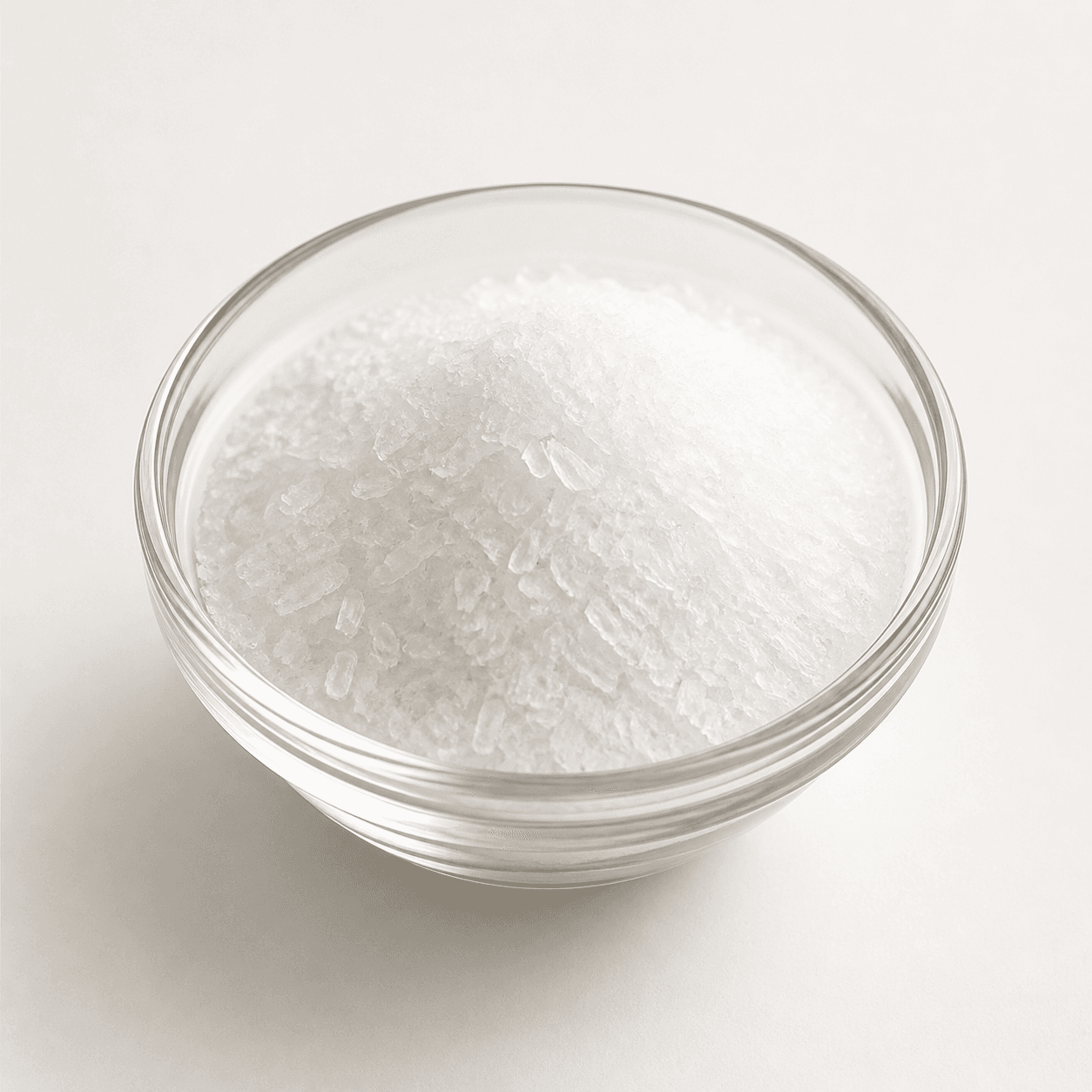
mSG味精Optional
0.18 oz
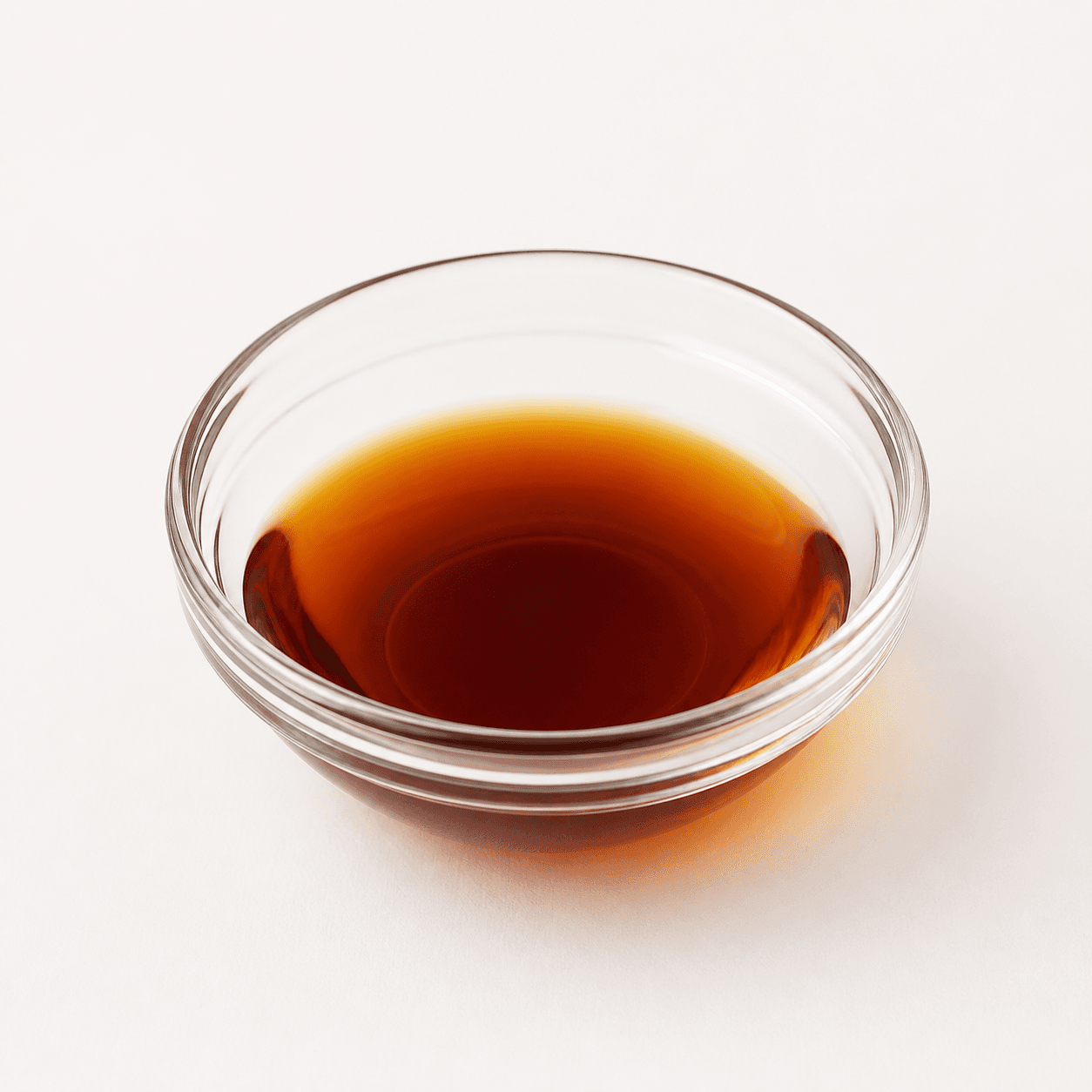
0.02 cup
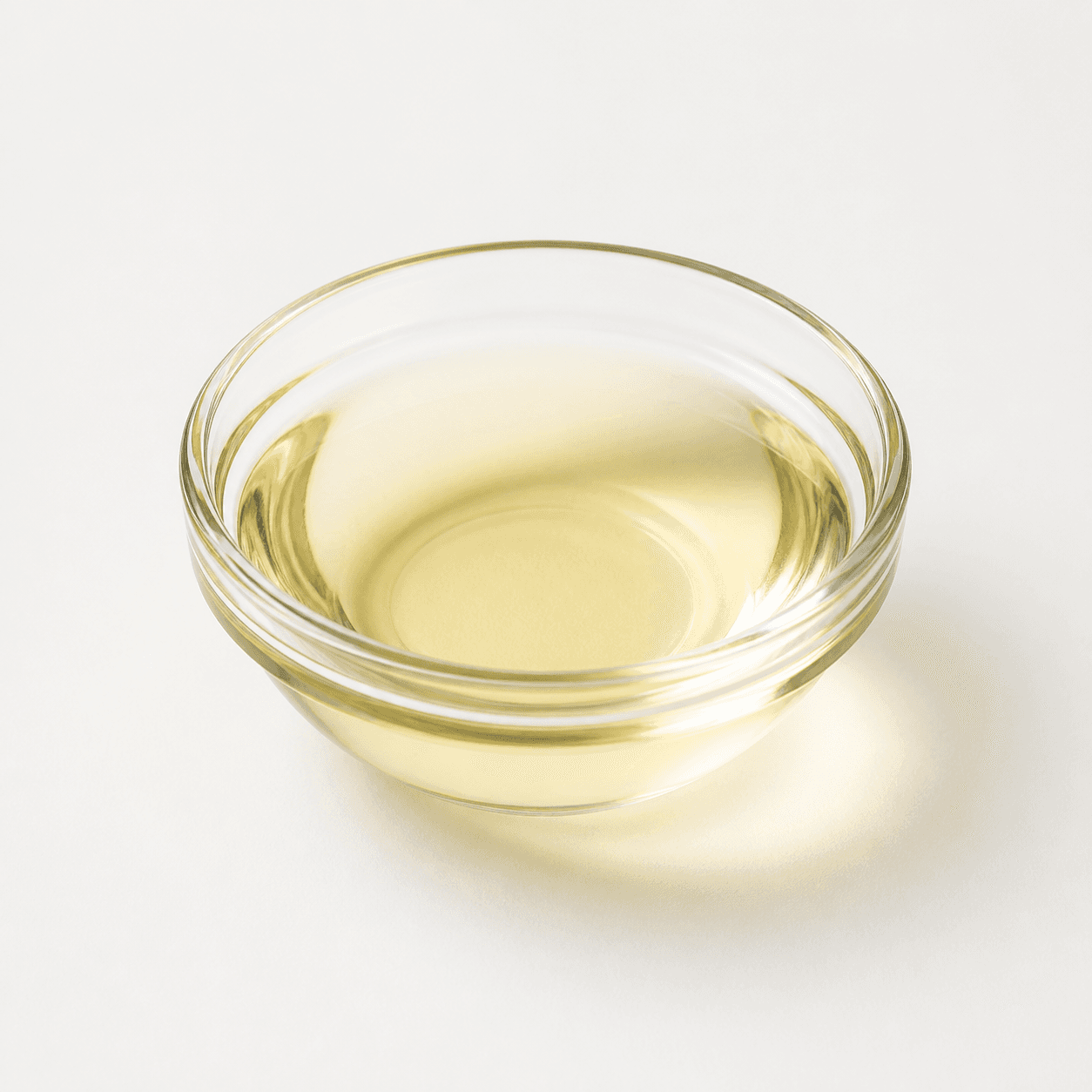
0.06 cup
as needed — cold
Techniques you'll use
- Simmering (dun) ↗
Gentle low-heat cooking in liquid until flavors merge and meat softens.
- Stir-frying ↗
Cook small pieces in stages, then bring them together while their textures are distinct.
Steps
- 1
Step 15 min
Medium-high heatHeat a dry wok and press the pork skin against the hot surface until it darkens. Scrub away the carbonized layer under running water.
✅ Done when: The skin is evenly singed and all black residue has been scrubbed away.
Watch out: Hold the pork with tongs and keep your hand away from the hot wok.
Place the pork in a pot and cover with cold water. Add half of the ginger, the Shaoxing wine, and the tied green onions. Bring to a boil and skim off the foam.
✅ Done when: The liquid is clear after the gray foam is removed.
Watch out: Begin with cold water so impurities rise gradually.
Reduce to a steady simmer and cook until a chopstick enters the lean meat easily and the center reaches at least 63 C.
✅ Done when: The pork is firm but cooked through, and a chopstick penetrates with little resistance.
Watch out: Do not boil violently or the exterior will become ragged.
- 4
Step 410 min
Transfer the pork to cold water to cool and firm it. Dry it thoroughly, then slice across the grain into pieces about 2 mm thick.
✅ Done when: The slices are thin, even, and dry on the surface.
Watch out: Wet pork will cause dangerous splatter in the wok.
If The pork slices are thick, greasy, and difficult to chew.:
Chill the cooked pork until firm and use a sharp knife to make thin slices.
- 5
Step 55 min
Mix half of the doubanjiang with the soy sauce. Slice the fresh chile, cut the garlic sprouts, and slice the remaining ginger.
✅ Done when: All vegetables are cut and the sauce mixture is smooth.
Watch out: Keep the garlic sprout leaves and firmer stems in separate piles if their thickness differs.
Heat the wok, add the oil, and stir-fry the pork over medium-high heat until the fat becomes translucent and the slices curl at the edges.
✅ Done when: The pork edges curl into shallow cups and the fat looks translucent.
Watch out: Stop before the lean meat becomes dry and hard.
If The lean portion is dry before the fat turns translucent.:
Use a properly heated wok and stop once the edges curl and the fat clears.
Add the doubanjiang-soy mixture and optional MSG and stir-fry for 15 seconds. Add the fresh chile, ginger, and remaining doubanjiang and cook for 30 seconds.
✅ Done when: The pork is evenly red and the bean paste smells fragrant.
Watch out: Doubanjiang can scorch in the rendered fat.
Add the garlic sprouts and stir-fry just until the stems are crisp-tender and the leaves wilt. Serve immediately.
✅ Done when: The sprouts are bright, aromatic, and still retain a slight bite.
Watch out: Do not overcook the garlic sprouts.