
Gallery
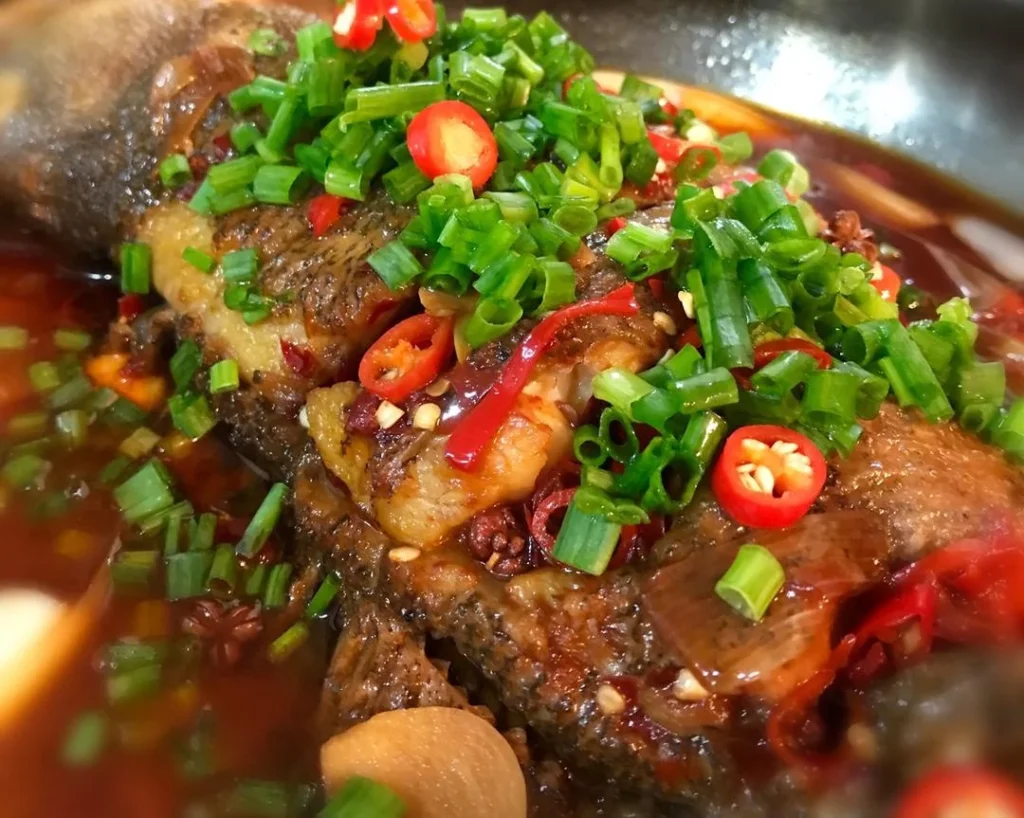
Braised Sea Bass
Chinese dish ready in 24 min using intermediate-level technique. Take your time with the prep for the best results.
- Prep
- 9m
- Cook
- 15m
- Total
- 24m
- Servings
- 2
- Difficulty
- Intermediate
- Spice
- 1/5
- Cuisine
- Chinese
IngredientsWhat you'll need for Braised Sea Bass
| Ingredient | Amount |
|---|---|
| fresh sea bass | 1 (about 600g) |
| salt | to taste |
| white pepper | a pinch |
| cornstarch | as needed |
| cooking wine | as needed |
| ginger | 1 small piece |
| garlic | 1 clove |
| leek (large) | 1 as needed |
| scallions | 1-2 |
| star anise | 1-2 |
| sand ginger (shannai) | 1-2 |
| Sichuan peppercorns | a small pinch |
| bird's eye chili (optional) | 3 as needed |
| doubanjiang (optional) | about 10g (or substitute yellow soybean paste) |
| high-proof baijiu | a splash |
| cooking oil | as needed |
| light soy sauce | about 5g |
| dark soy sauce | about 2g |
| vinegar | about 2g |
| white sugar | about 3g |
- fresh sea bass1 (about 600g)
- saltto taste
- white peppera pinch
- cornstarchas needed
- cooking wineas needed
- ginger1 small piece
- garlic1 clove
- leek (large)1 as needed
- scallions1-2
- star anise1-2
- sand ginger (shannai)1-2
- Sichuan peppercornsa small pinch
- bird's eye chili (optional)3 as needed
- doubanjiang (optional)about 10g (or substitute yellow soybean paste)
- high-proof baijiua splash
- cooking oilas needed
- light soy sauceabout 5g
- dark soy sauceabout 2g
- vinegarabout 2g
- white sugarabout 3g
Cooking StepsHow to cook Braised Sea Bass step by step
-
 Step 1
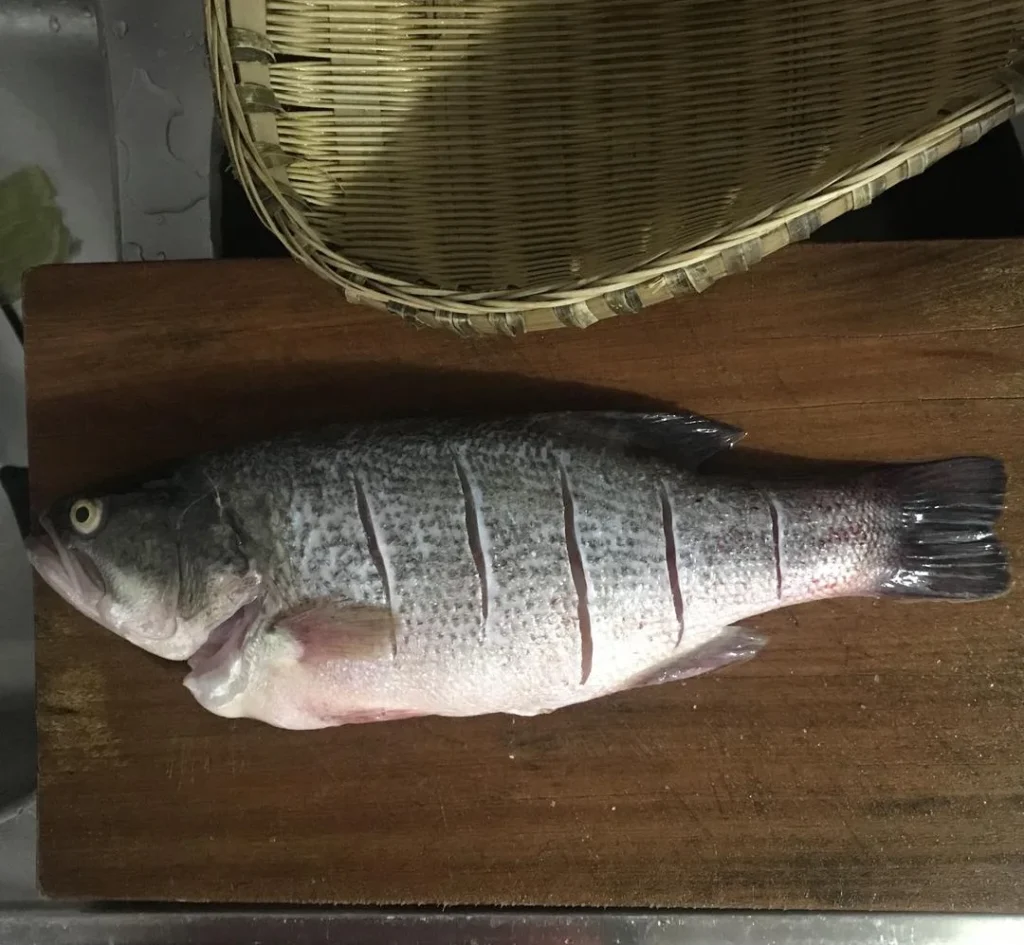
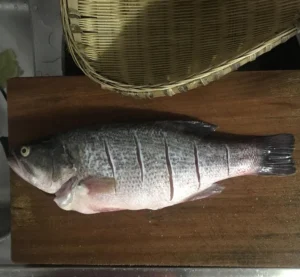
Clean the freshly killed sea bass thoroughly inside and out, and make diagonal score cuts on both sides.
-
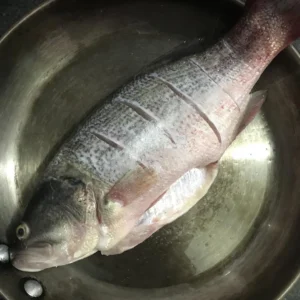 Step 2
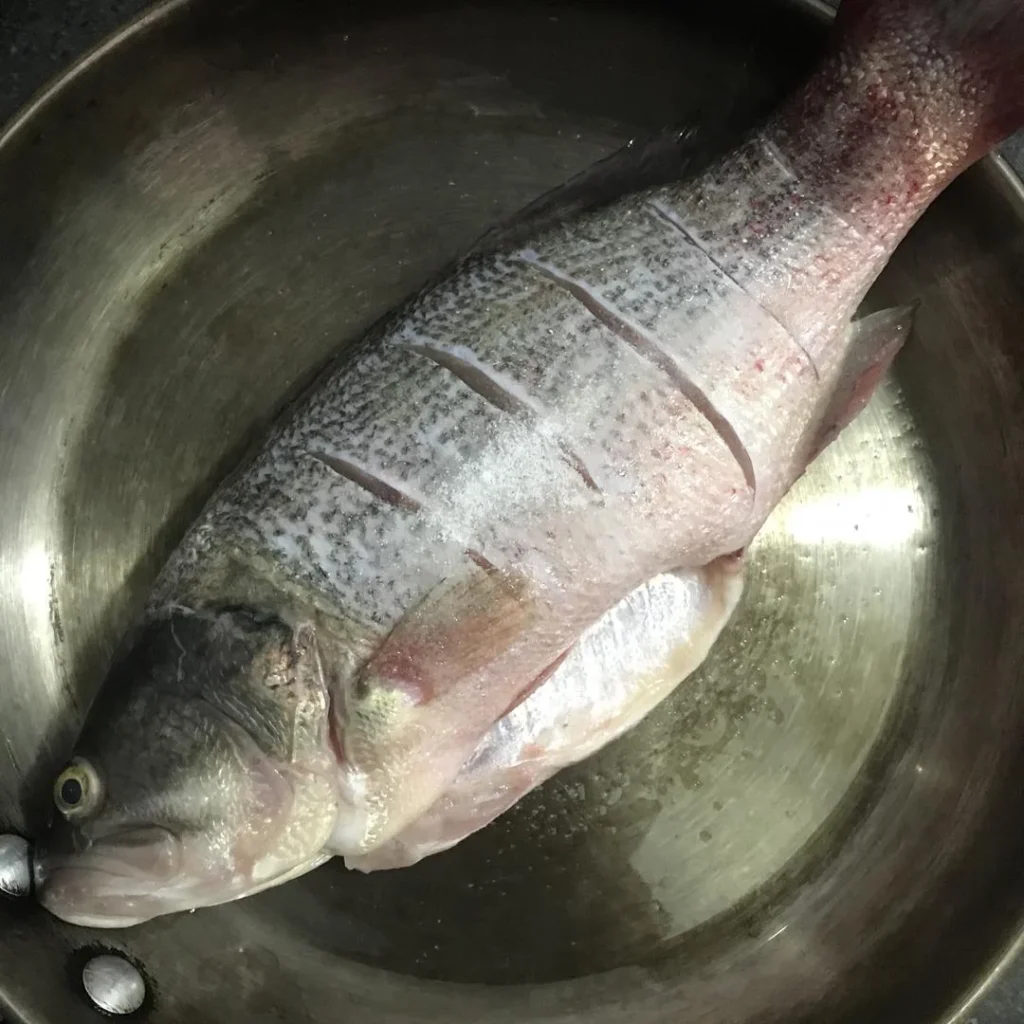
Sprinkle with salt and rub evenly inside and out; let marinate for a while.
-
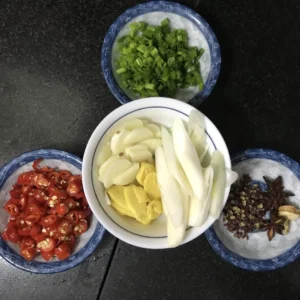 Step 3
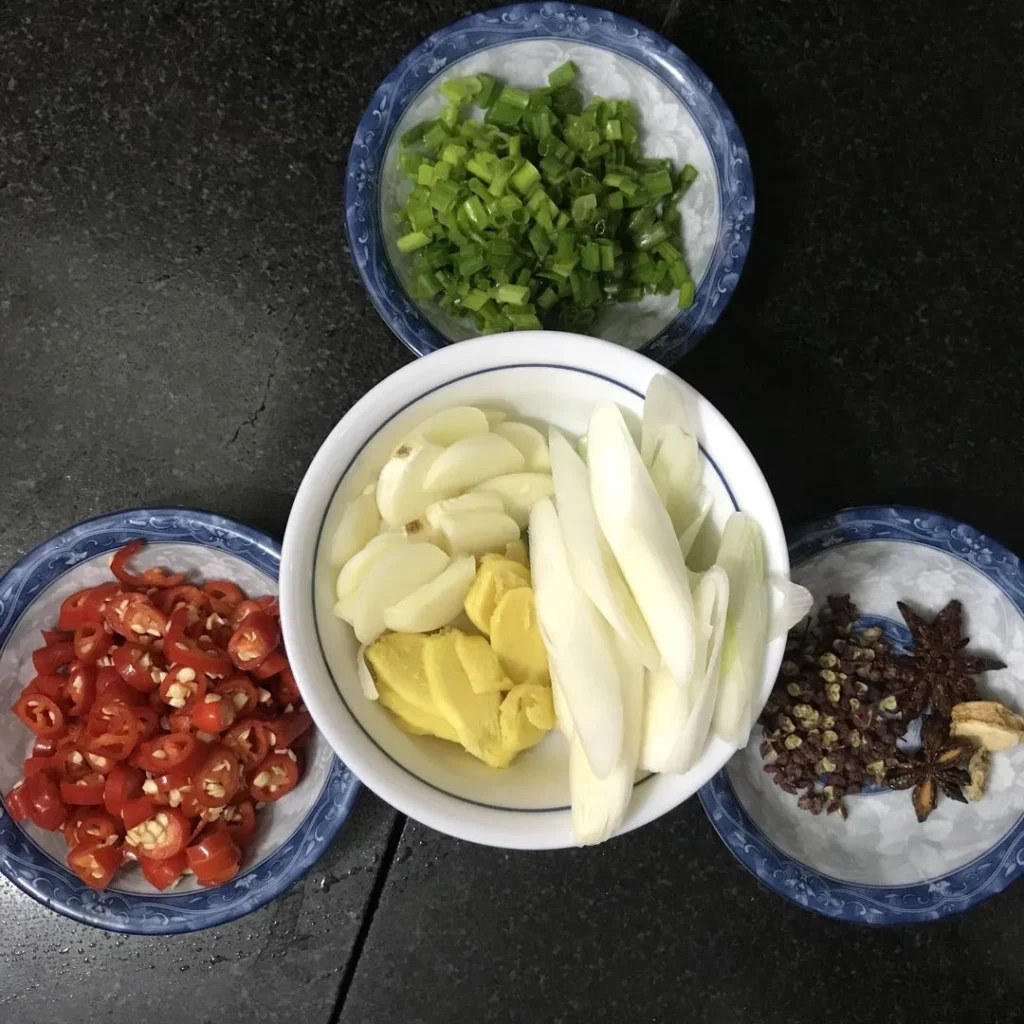
Slice the ginger and garlic, cut the leek whites diagonally, slice the bird’s eye chilies into rings (optional), chop the scallion greens, and prepare star anise, sand ginger, and Sichuan peppercorns.
-
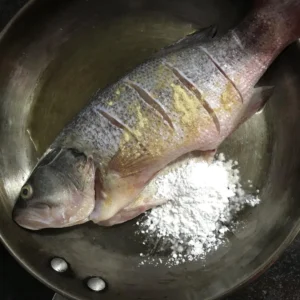 Step 4
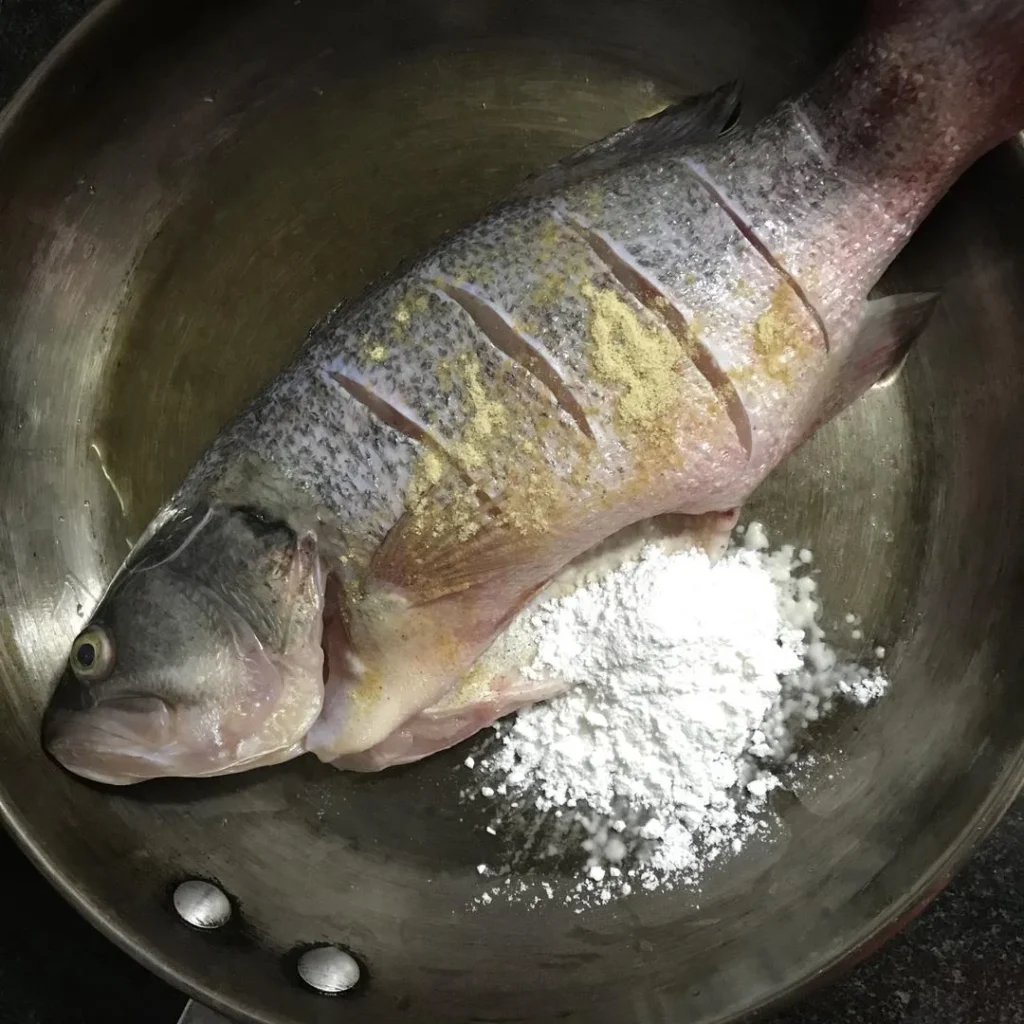
Add white pepper, cornstarch, and cooking wine to the salted fish, rub evenly, and marinate for about 15 minutes.
-
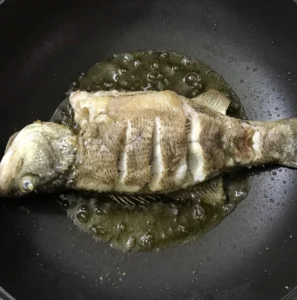 Step 5
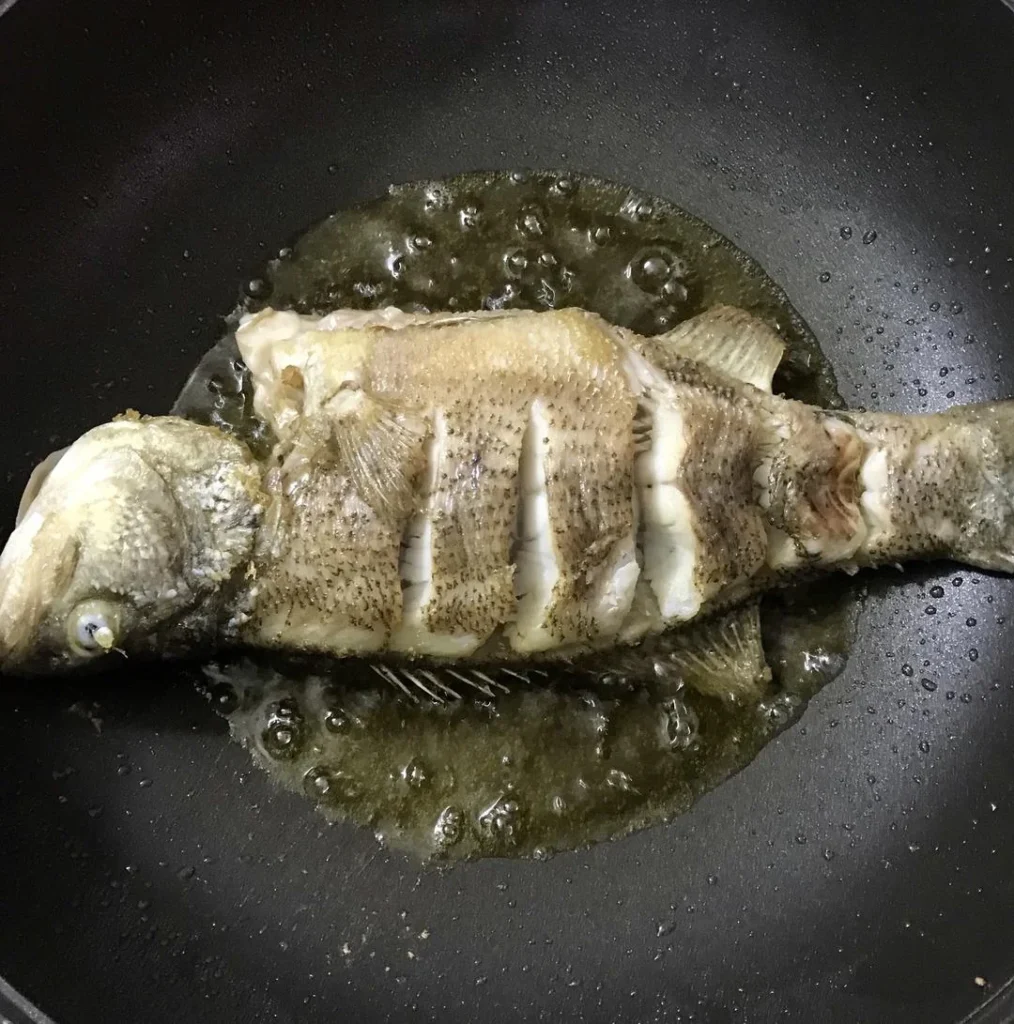
Heat oil and pan-fry the sea bass until both sides are colored (no need to over-fry the exterior).
-
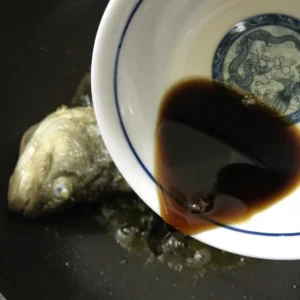 Step 6
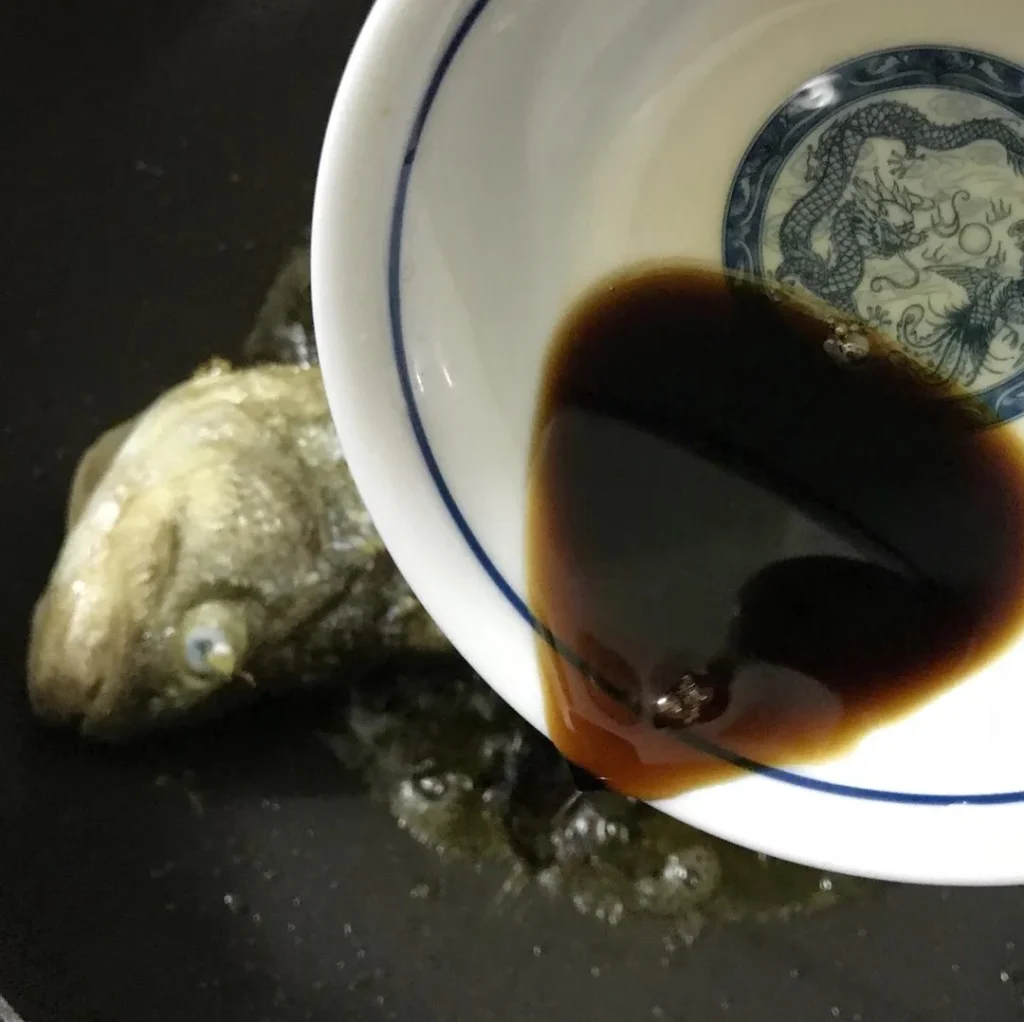
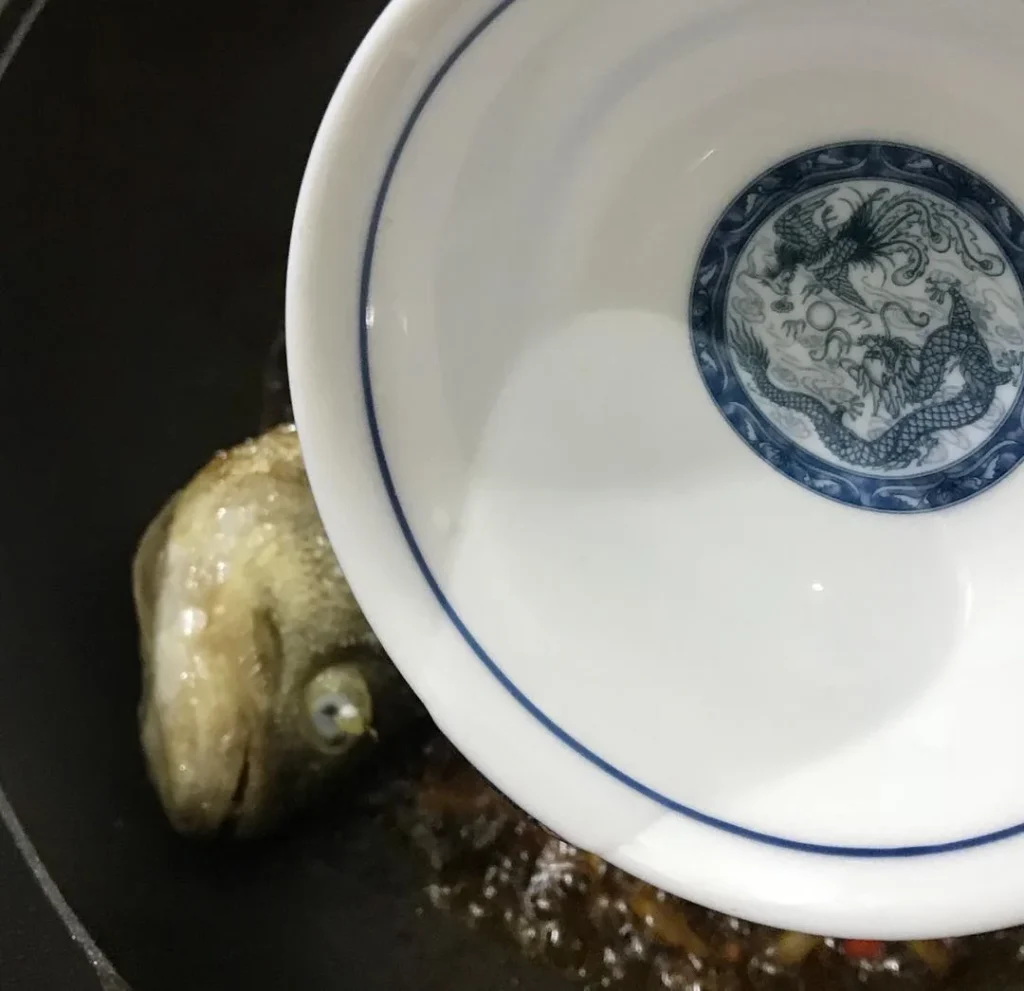
Drizzle vinegar along the edge of the wok. Be careful with the amount — the finished dish should not taste sour.
-
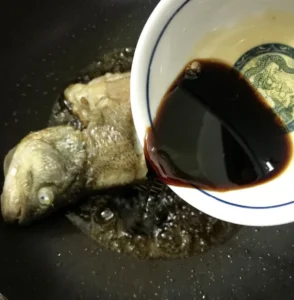 Step 7
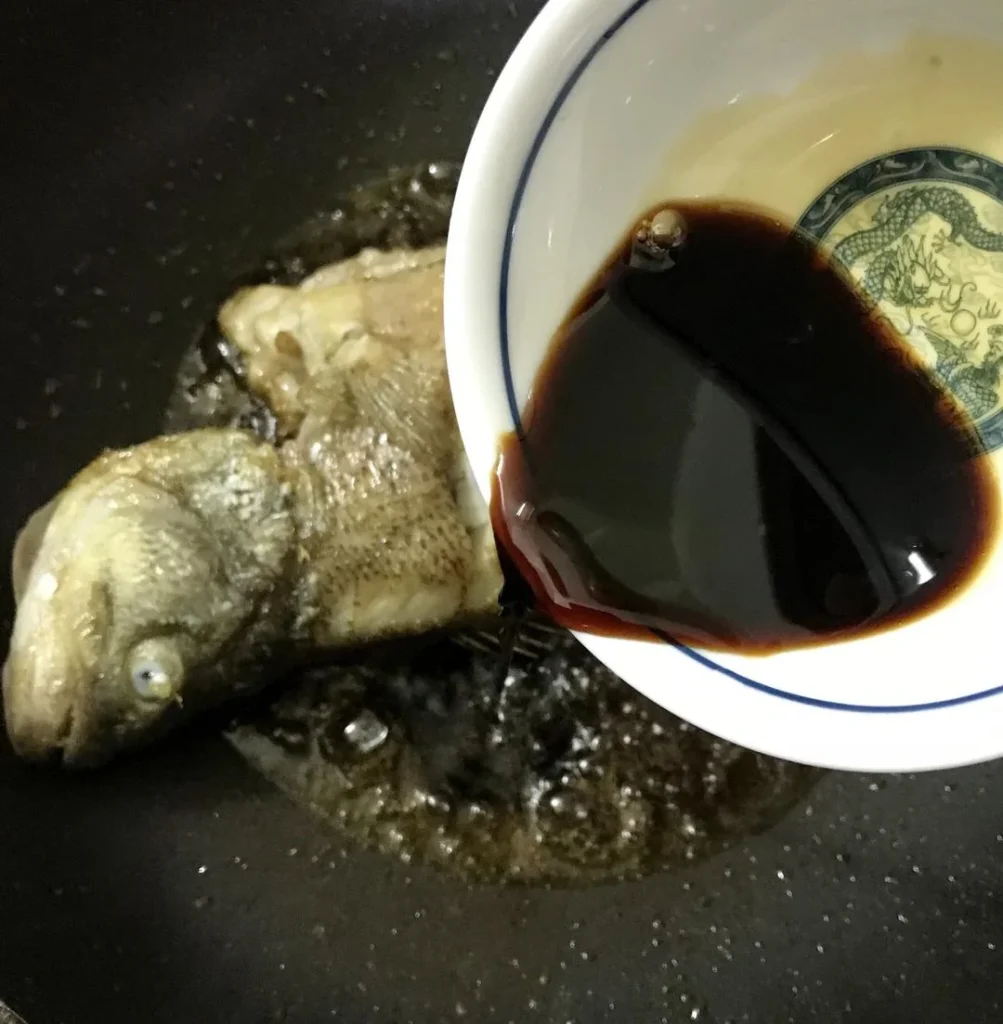
Add light soy sauce and a little dark soy sauce.
-
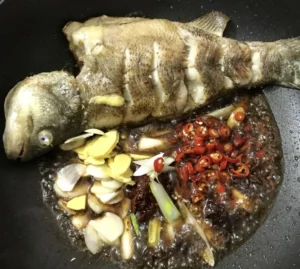 Step 8
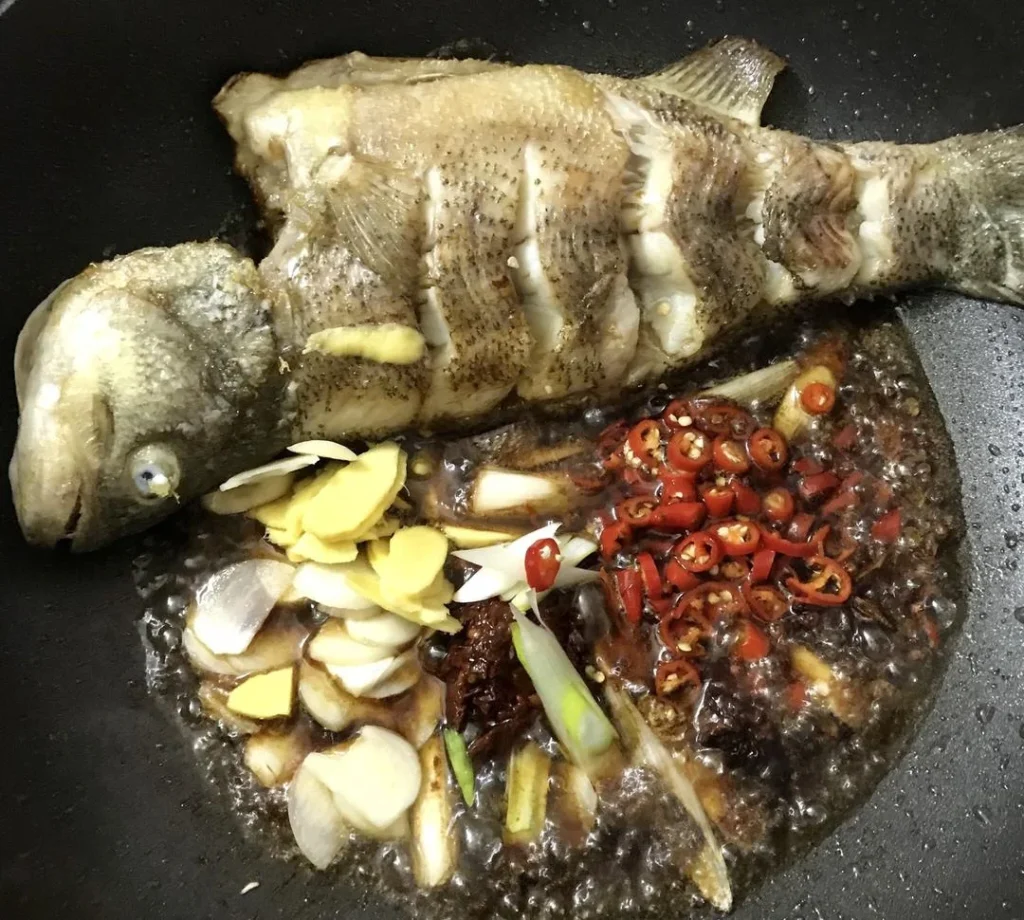
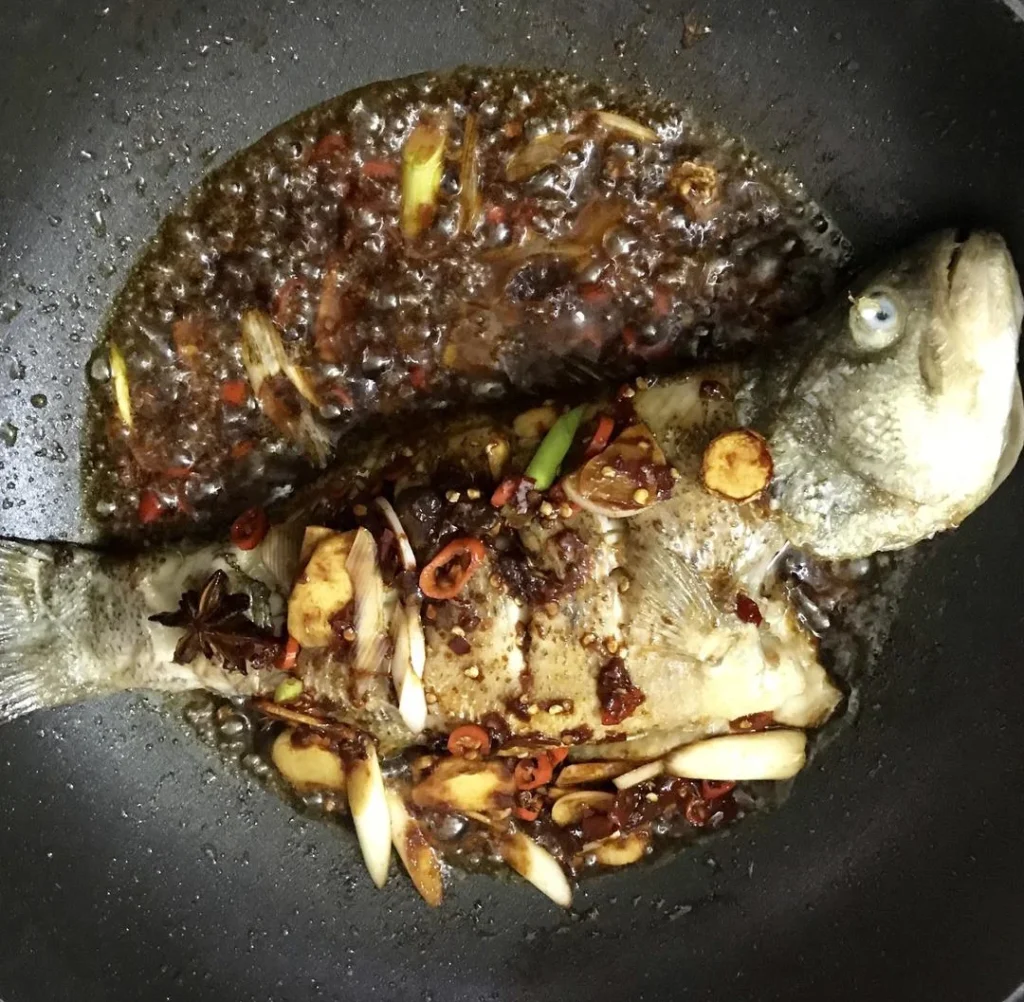
Push the fish to one side and add the ginger, garlic, star anise, sand ginger, Sichuan peppercorns, and half the leek whites. If you like it spicy, add some doubanjiang (less is better than more) and half the chili rings; stir-fry until fragrant.
-
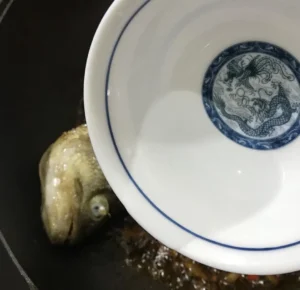 Step 9
Push the aromatics and fish together, then splash a little high-proof baijiu along the wok edge to remove fishiness and add aroma.
-
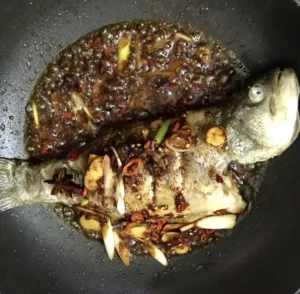 Step 10
Stir everything together, occasionally scooping the sauce over the fish. No need to flip the fish.
-
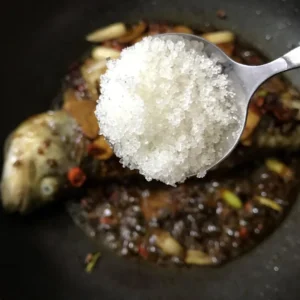 Step 11
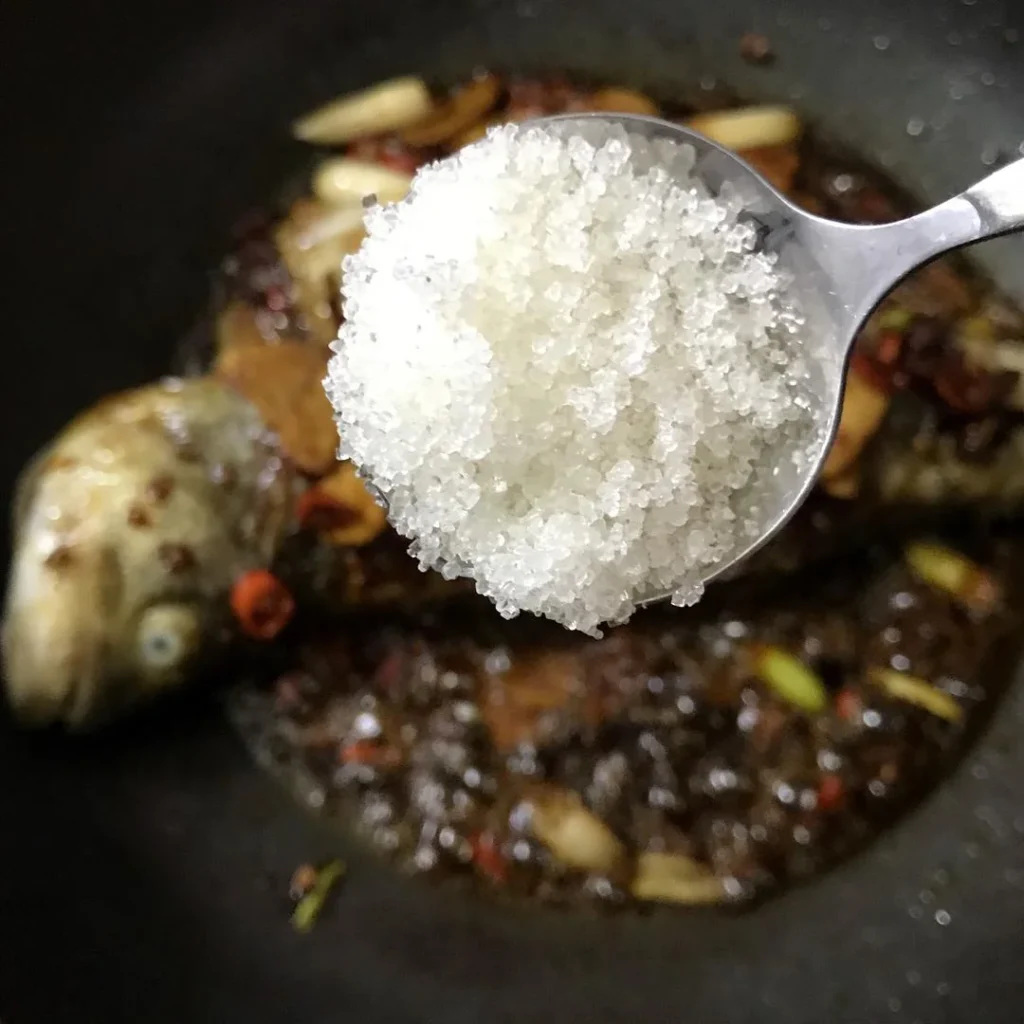
Add white sugar to taste.
-
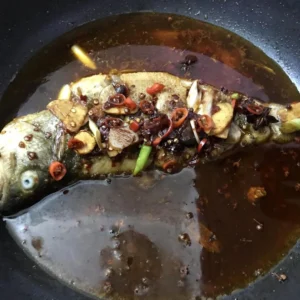 Step 12
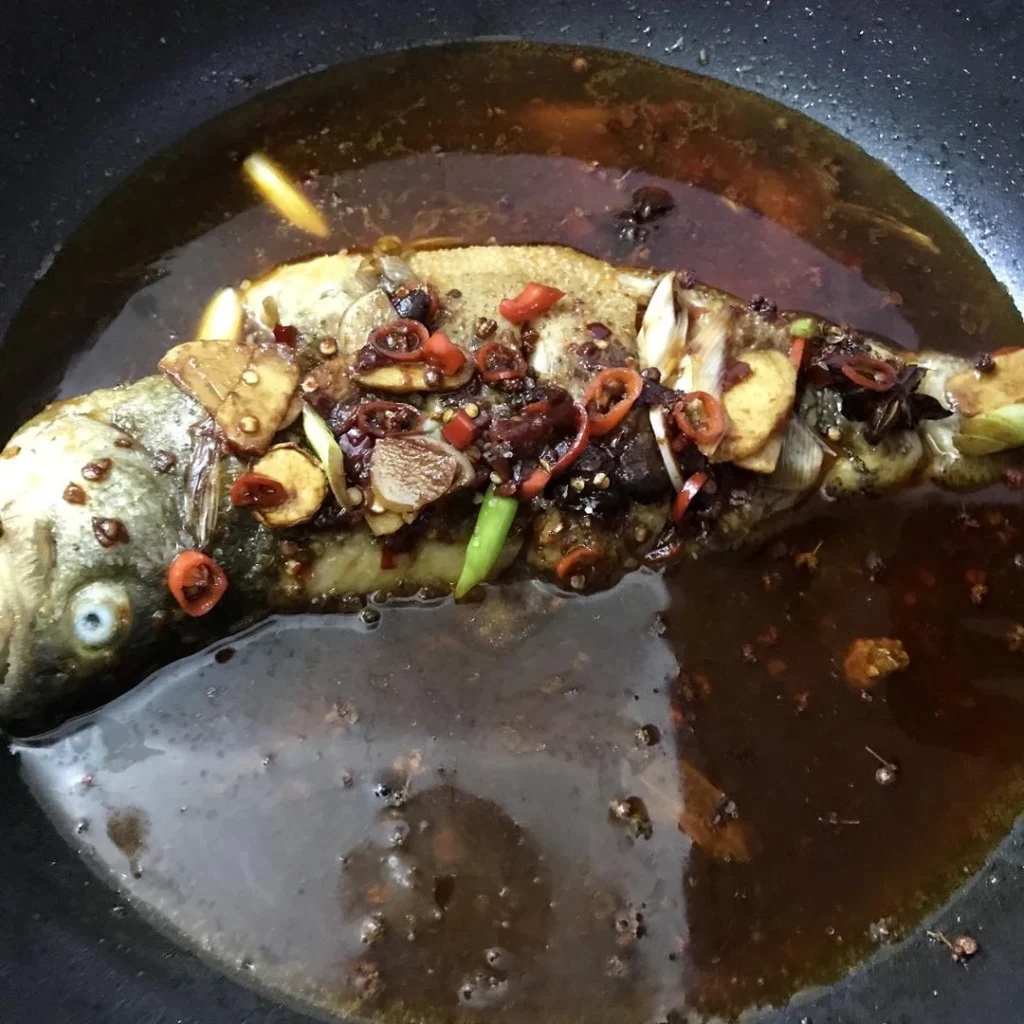
Pour in stock or boiling water until it covers a little more than half the fish.
-
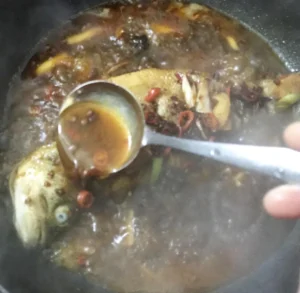 Step 13
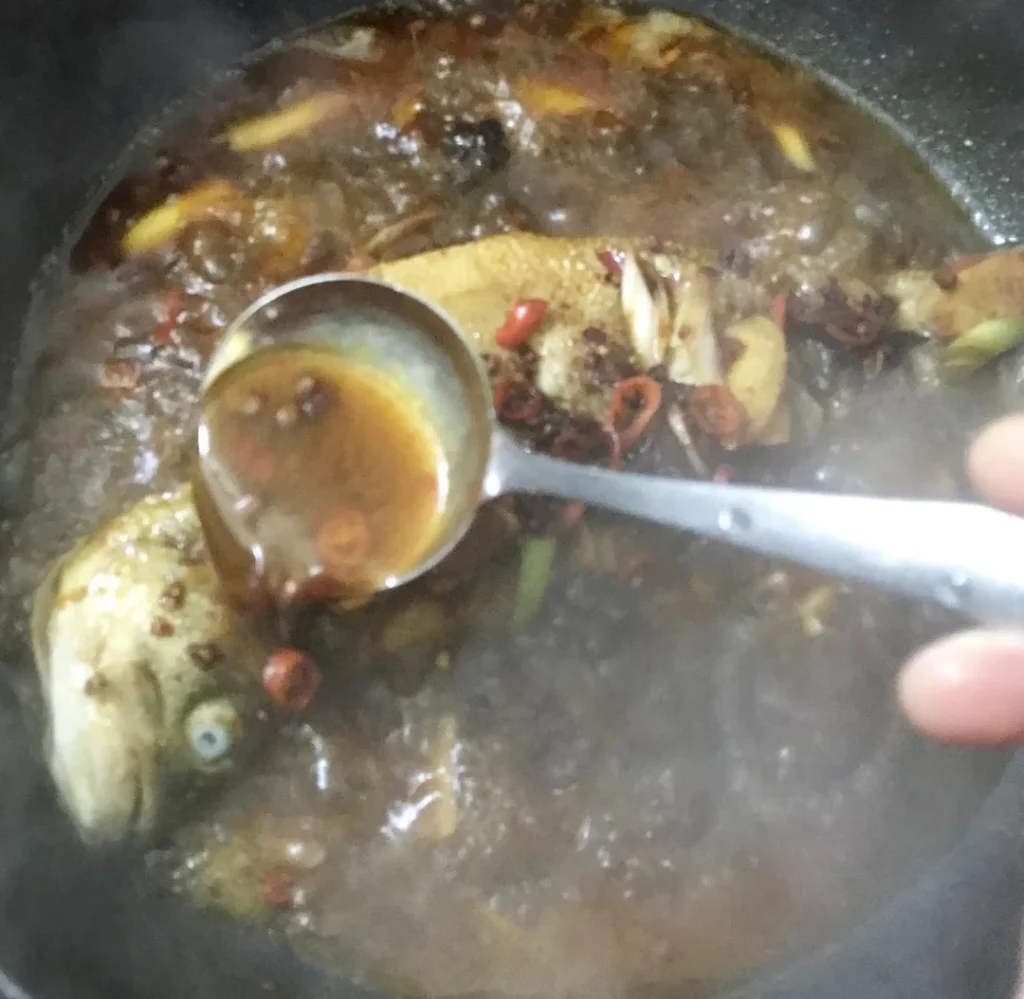
Bring to a boil over high heat, occasionally spooning the sauce over the fish.
-
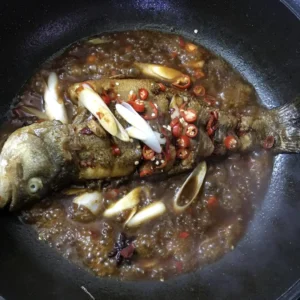 Step 14
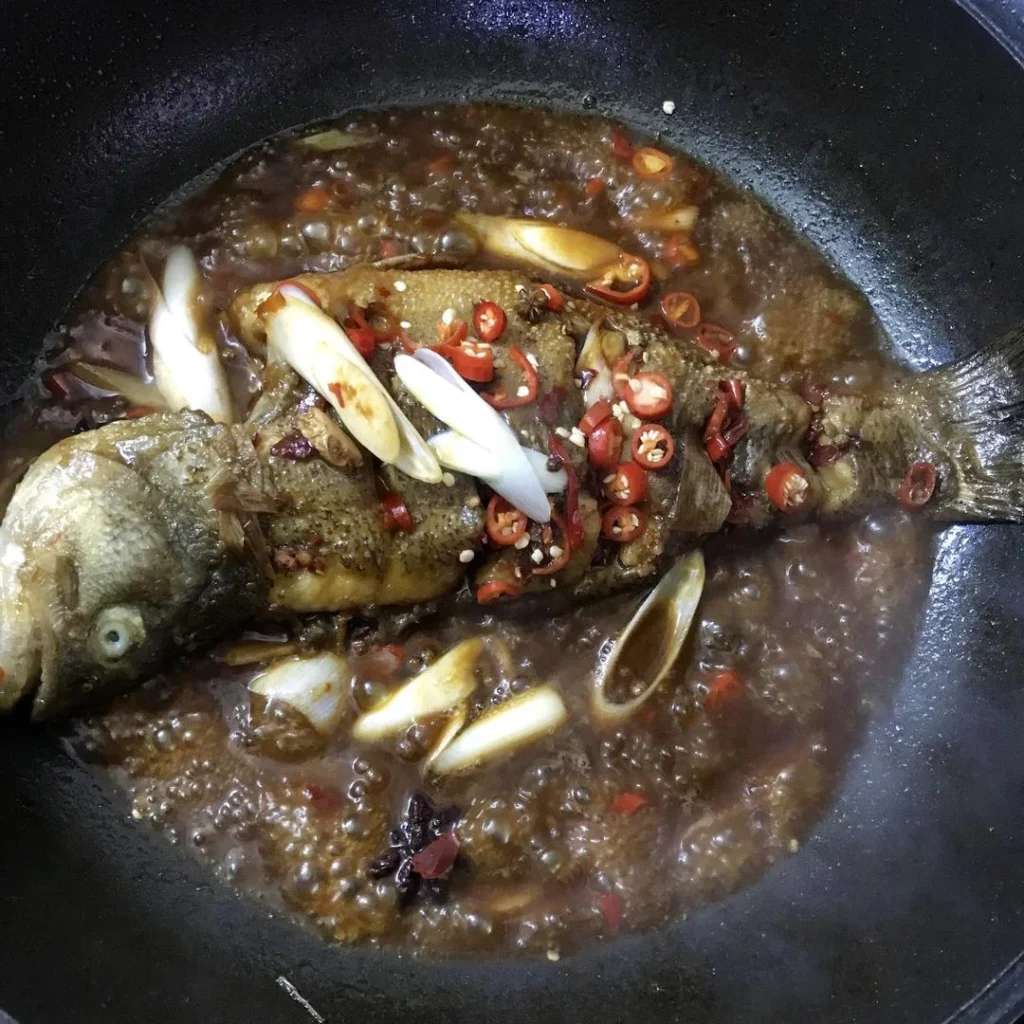
When the sauce has reduced to your liking, adjust the salt (experienced cooks may skip this — the salt from marinating and soy sauce is usually sufficient; this step only adjusts the broth). Add the remaining leek whites and chili rings (optional).
-
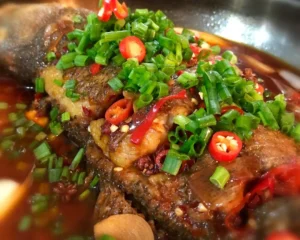 Step 15
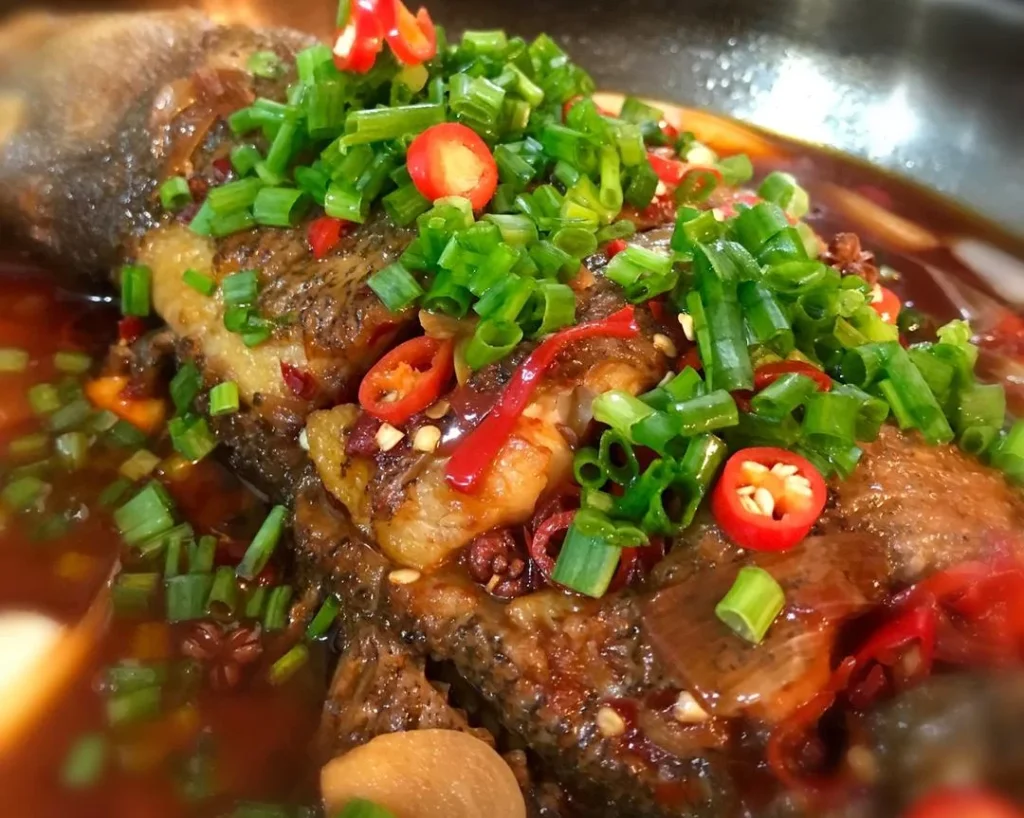
Transfer to a serving plate and garnish with chopped scallions.
Braised Sea Bass
Chinese dish ready in 24 min using intermediate-level technique. Take your time with the prep for the best results.
Ingredients
- 1 (about 600g) fresh sea bass
- to taste salt
- a pinch white pepper
- as needed cornstarch
- as needed cooking wine
- 1 small piece ginger
- 1 clove garlic
- 1 as needed leek (large)
- 1-2 scallions
- 1-2 star anise
- 1-2 sand ginger (shannai)
- a small pinch Sichuan peppercorns
- 3 as needed bird's eye chili (optional)
- about 10g (or substitute yellow soybean paste) doubanjiang (optional)
- a splash high-proof baijiu
- as needed cooking oil
- about 5g light soy sauce
- about 2g dark soy sauce
- about 2g vinegar
- about 3g white sugar
Instructions
-
Clean the freshly killed sea bass thoroughly inside and out, and make diagonal score cuts on both sides.
-
Sprinkle with salt and rub evenly inside and out; let marinate for a while.
-
Slice the ginger and garlic, cut the leek whites diagonally, slice the bird’s eye chilies into rings (optional), chop the scallion greens, and prepare star anise, sand ginger, and Sichuan peppercorns.
-
Add white pepper, cornstarch, and cooking wine to the salted fish, rub evenly, and marinate for about 15 minutes.
-
Heat oil and pan-fry the sea bass until both sides are colored (no need to over-fry the exterior).
-
Drizzle vinegar along the edge of the wok. Be careful with the amount — the finished dish should not taste sour.
-
Add light soy sauce and a little dark soy sauce.
-
Push the fish to one side and add the ginger, garlic, star anise, sand ginger, Sichuan peppercorns, and half the leek whites. If you like it spicy, add some doubanjiang (less is better than more) and half the chili rings; stir-fry until fragrant.
-
Push the aromatics and fish together, then splash a little high-proof baijiu along the wok edge to remove fishiness and add aroma.
-
Stir everything together, occasionally scooping the sauce over the fish. No need to flip the fish.
-
Add white sugar to taste.
-
Pour in stock or boiling water until it covers a little more than half the fish.
-
Bring to a boil over high heat, occasionally spooning the sauce over the fish.
-
When the sauce has reduced to your liking, adjust the salt (experienced cooks may skip this — the salt from marinating and soy sauce is usually sufficient; this step only adjusts the broth). Add the remaining leek whites and chili rings (optional).
-
Transfer to a serving plate and garnish with chopped scallions.
Recipe Details
Common Questions
What's the most common mistake to avoid?
The biggest mistake is not having all ingredients prepped and measured before you start cooking (mise en place). Chinese cooking moves fast — once the wok is hot, there’s no time to chop.
How can I make this spicier?
Add chili oil or chili crisp to taste, or include dried red chilies during cooking. A dash of Sichuan peppercorn adds a different kind of heat.