
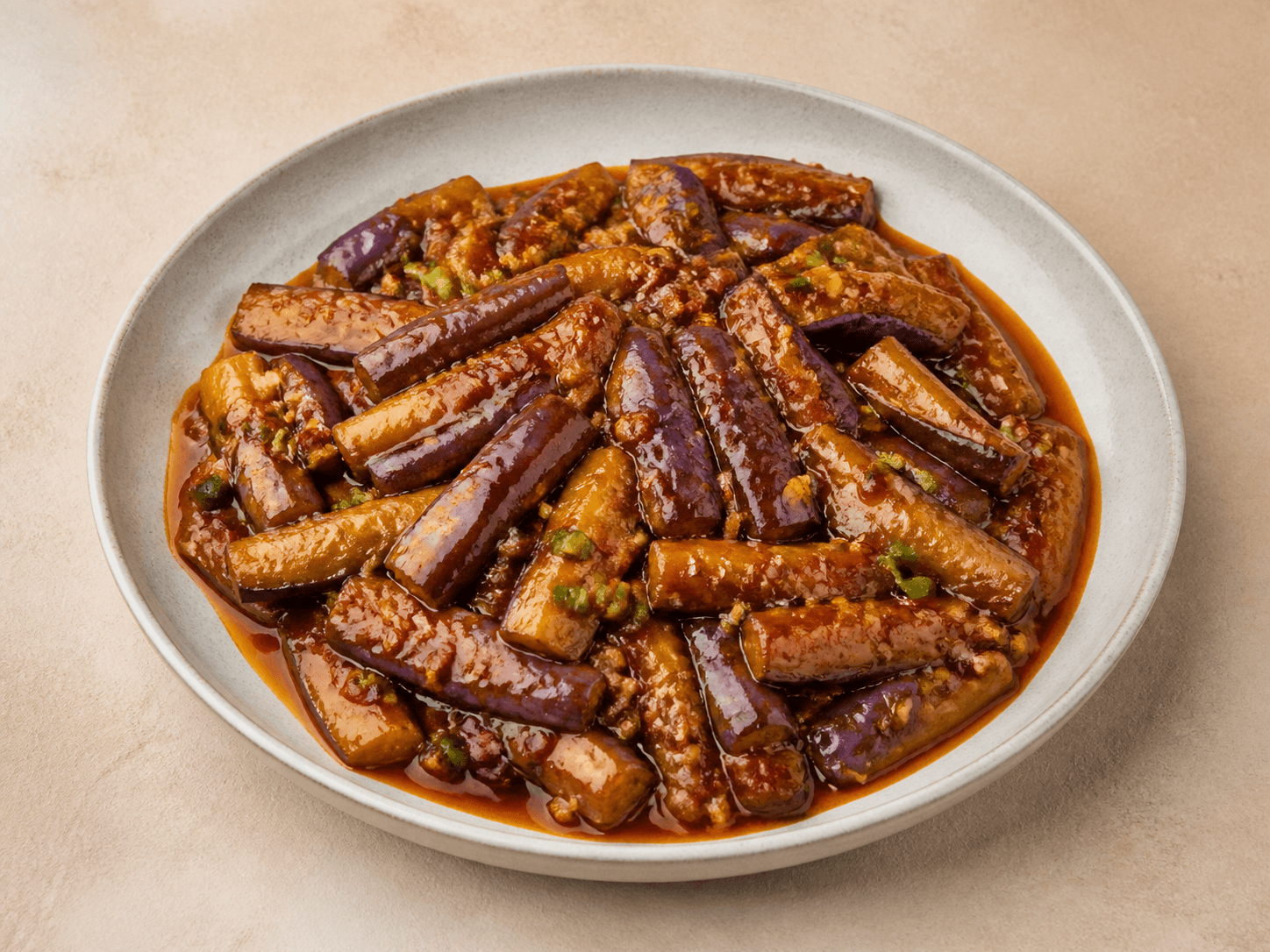
Yu Xiang Eggplant with Pork
鱼香茄子 · sichuan cuisine · Sichuan
Yu xiang, often translated as fish-fragrant flavor, is a Sichuan seasoning profile built from chile bean paste, garlic, ginger, vinegar, sugar, and soy sauce. No fish is required; the name describes the sauce tradition.
 Chef ChopzenChopzen project content lead. Curating and testing every published recipe for US home cooks.
Key failure points
- If The eggplant is greasy but still firm inside.: Bring the oil to about 180 C and fry in batches so the temperature stays steady.
- If The sauce forms rubbery starch clumps.: Stir the slurry immediately before adding and keep the sauce simmering as it goes in.
Nutrition & allergens
No supported allergens detected from surveyed ingredients.
Some ingredients are not yet allergen-surveyed; this label is not exhaustive.
Per serving (4 servings)
- Energy (kcal)
- Unknown
- Protein (g)
- Unknown
- Fat (g)
- Unknown
- Carbs (g)
- Unknown
- Sodium (mg)
- Unknown
Estimated from verified ingredient data for the original formula — not lab values, and one dish is not a full meal.
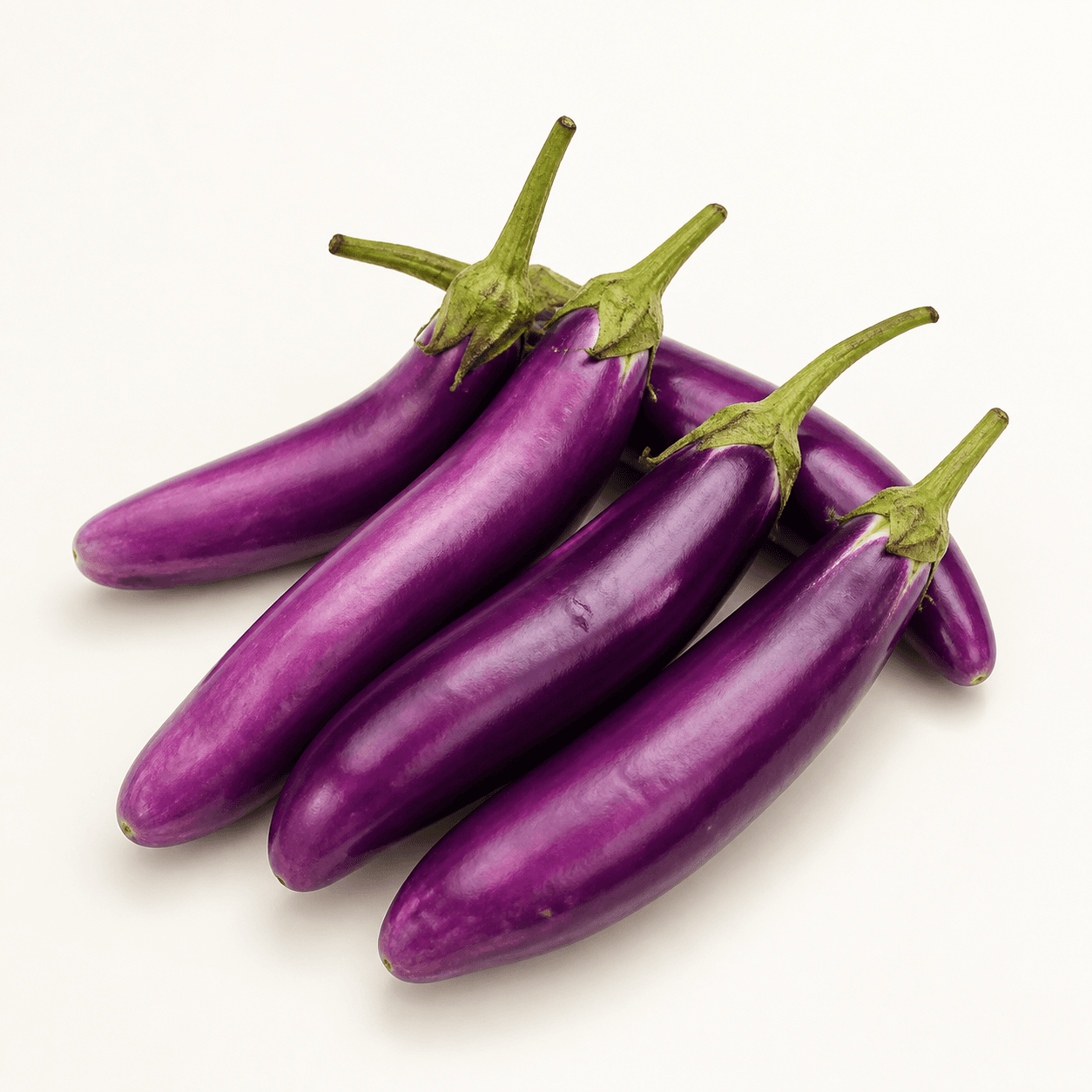
21.16 oz — cut into batons
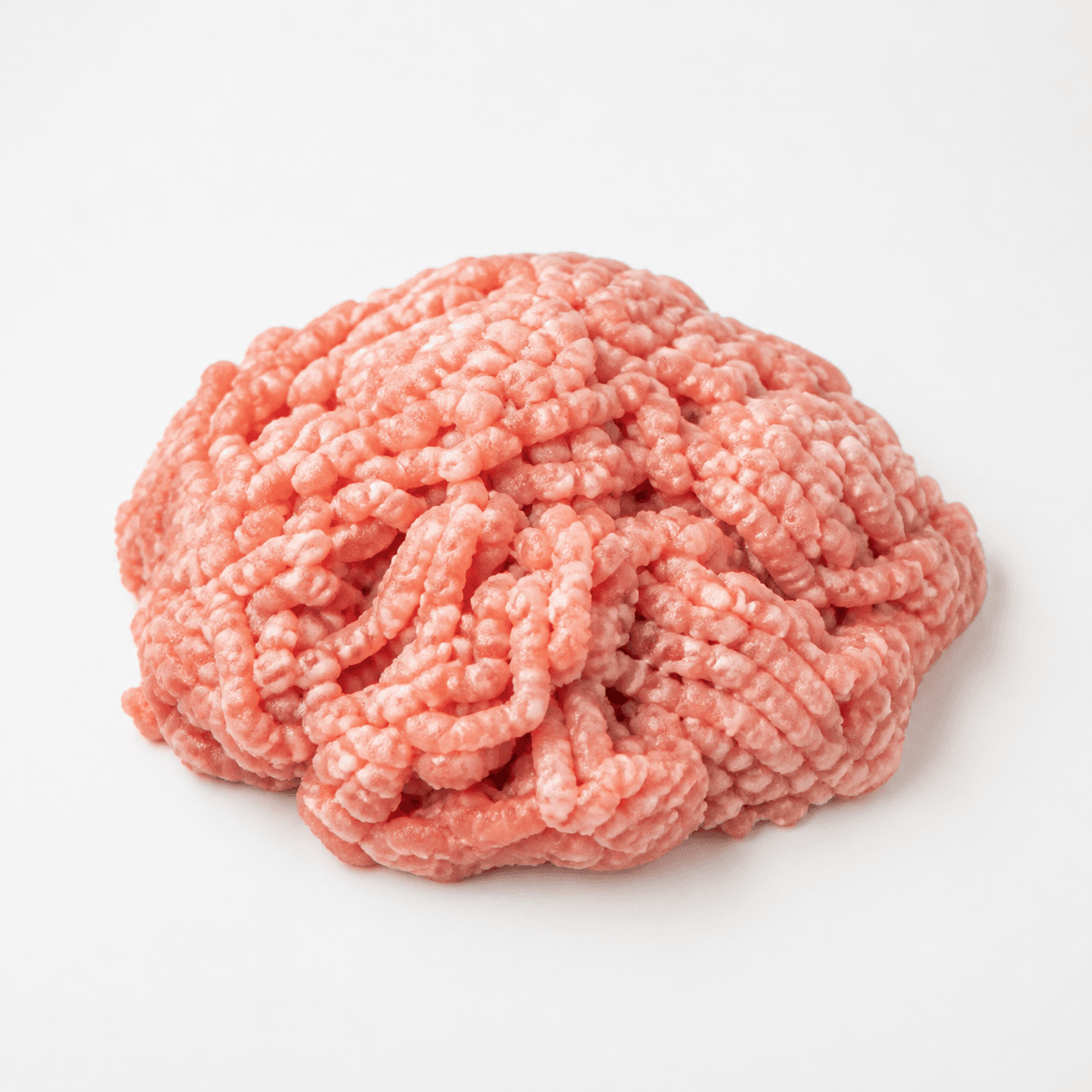
0.71 oz
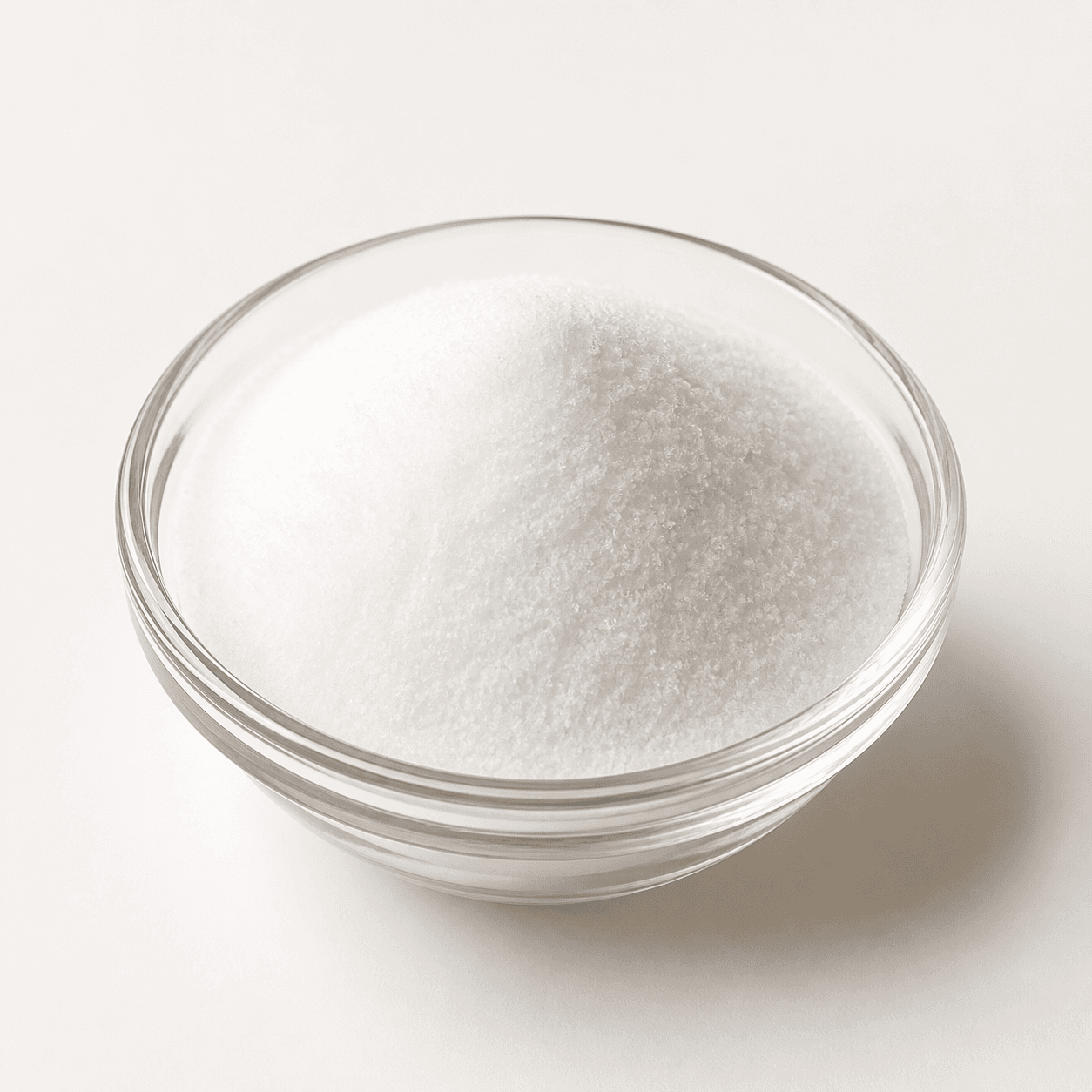
salt盐
0.14 oz
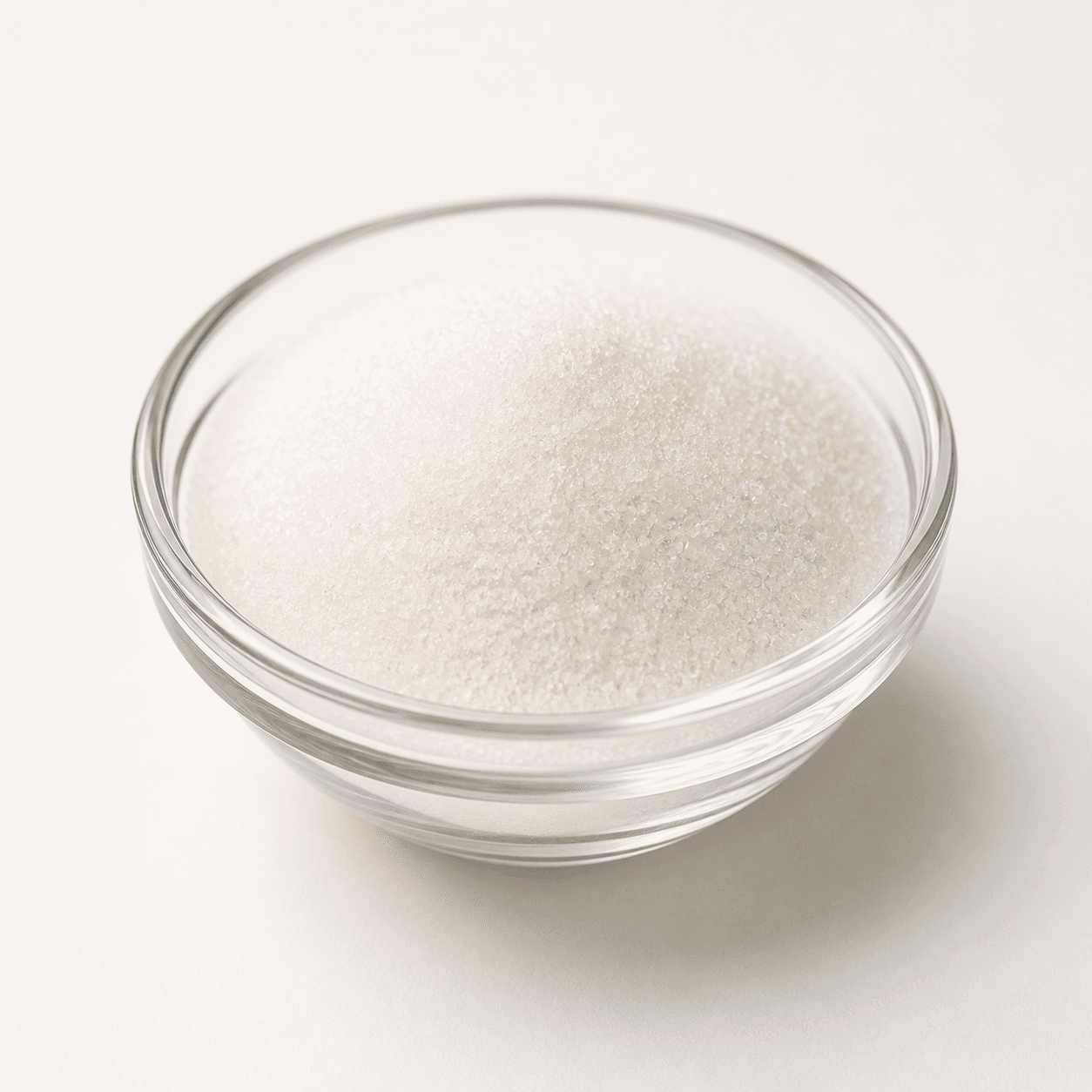
0.28 oz
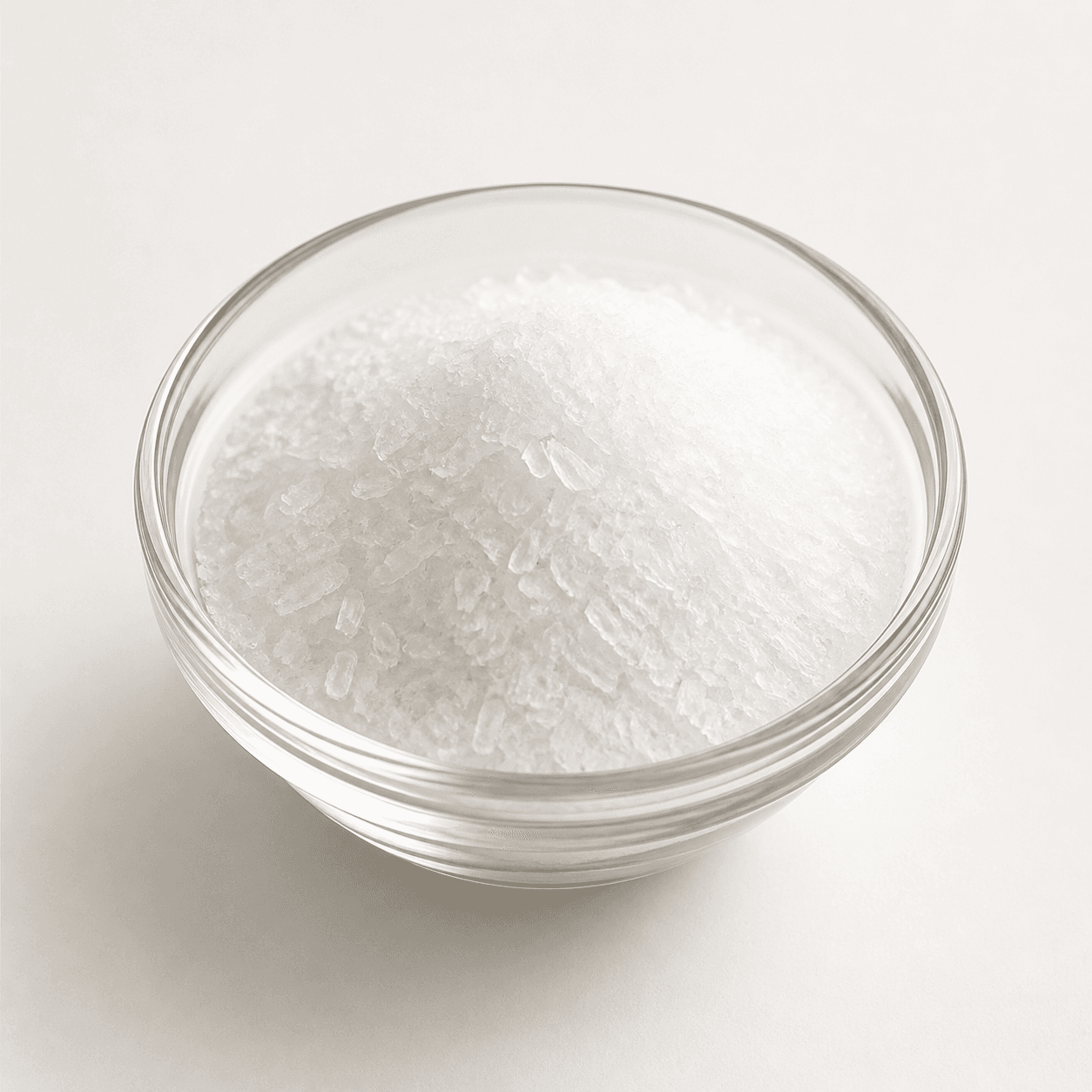
mSG味精Optional
0.18 oz
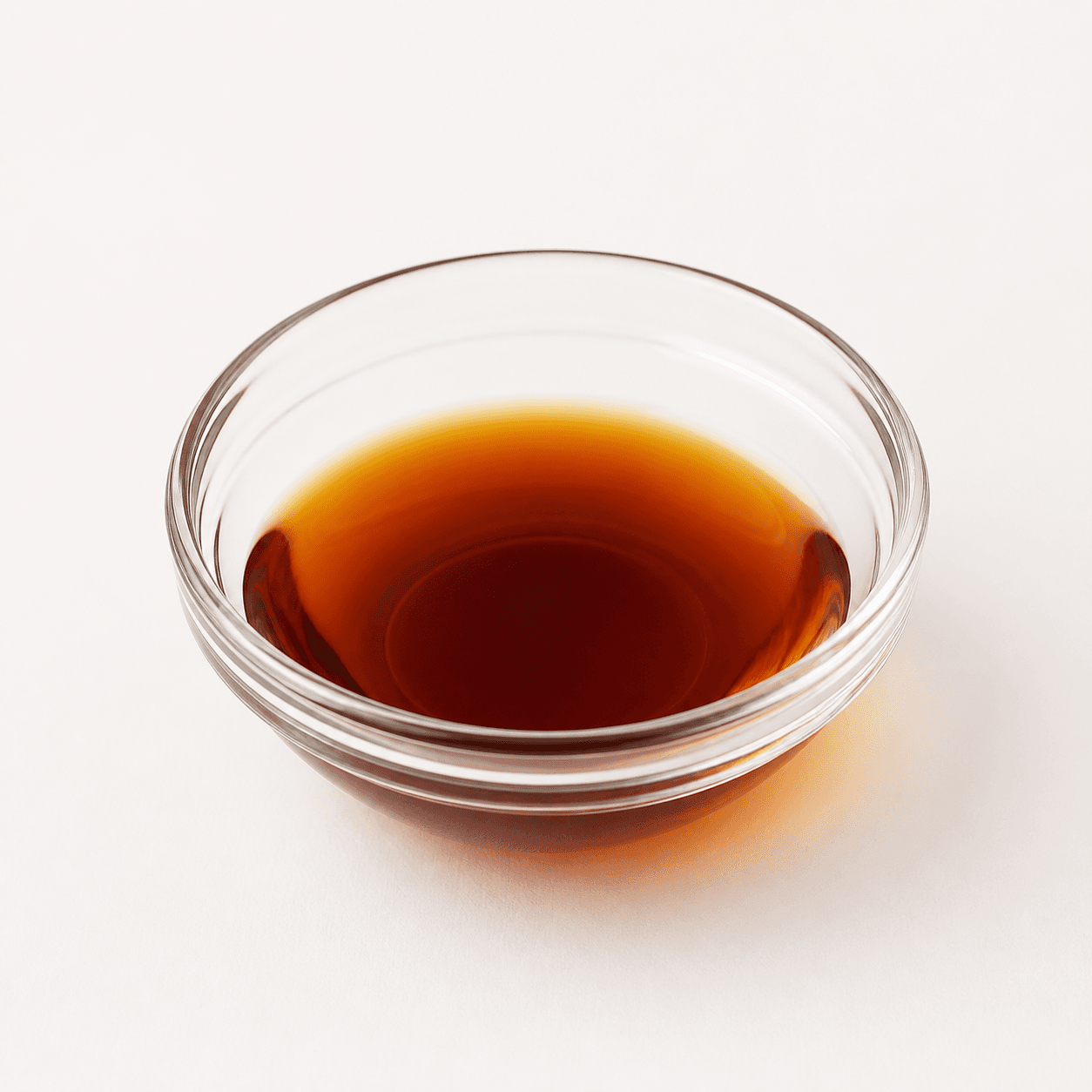
0.04 cup
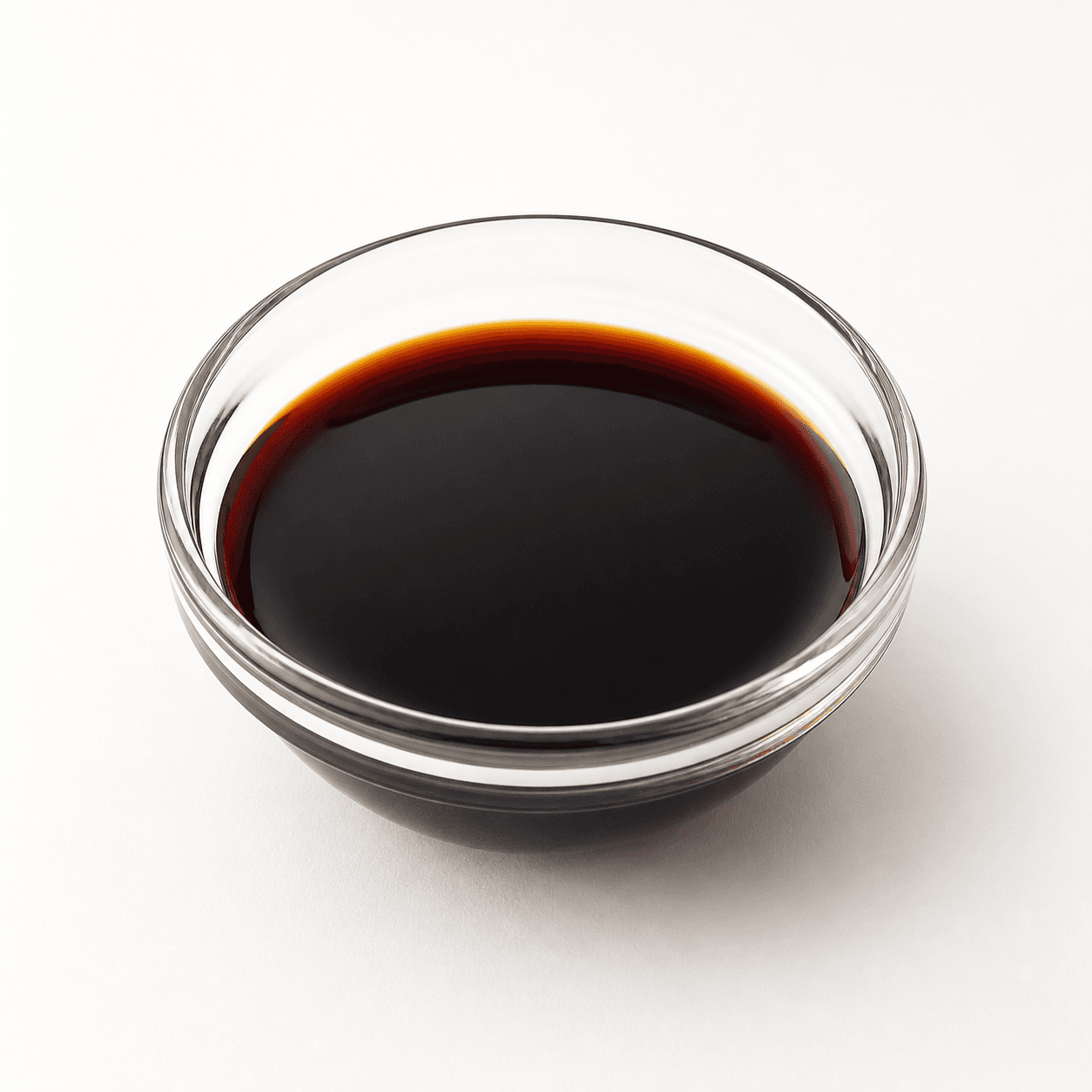
0.02 cup
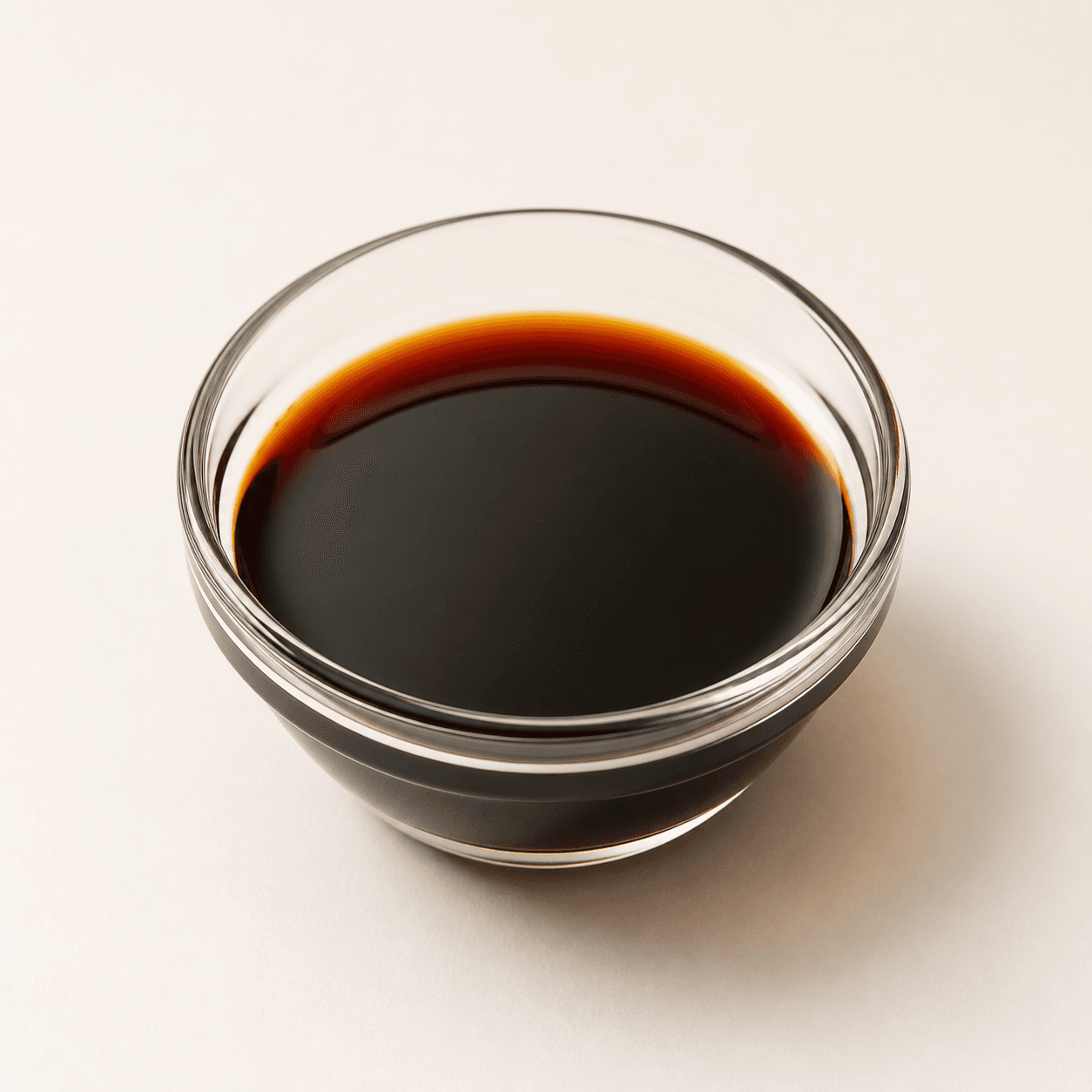
0.04 cup
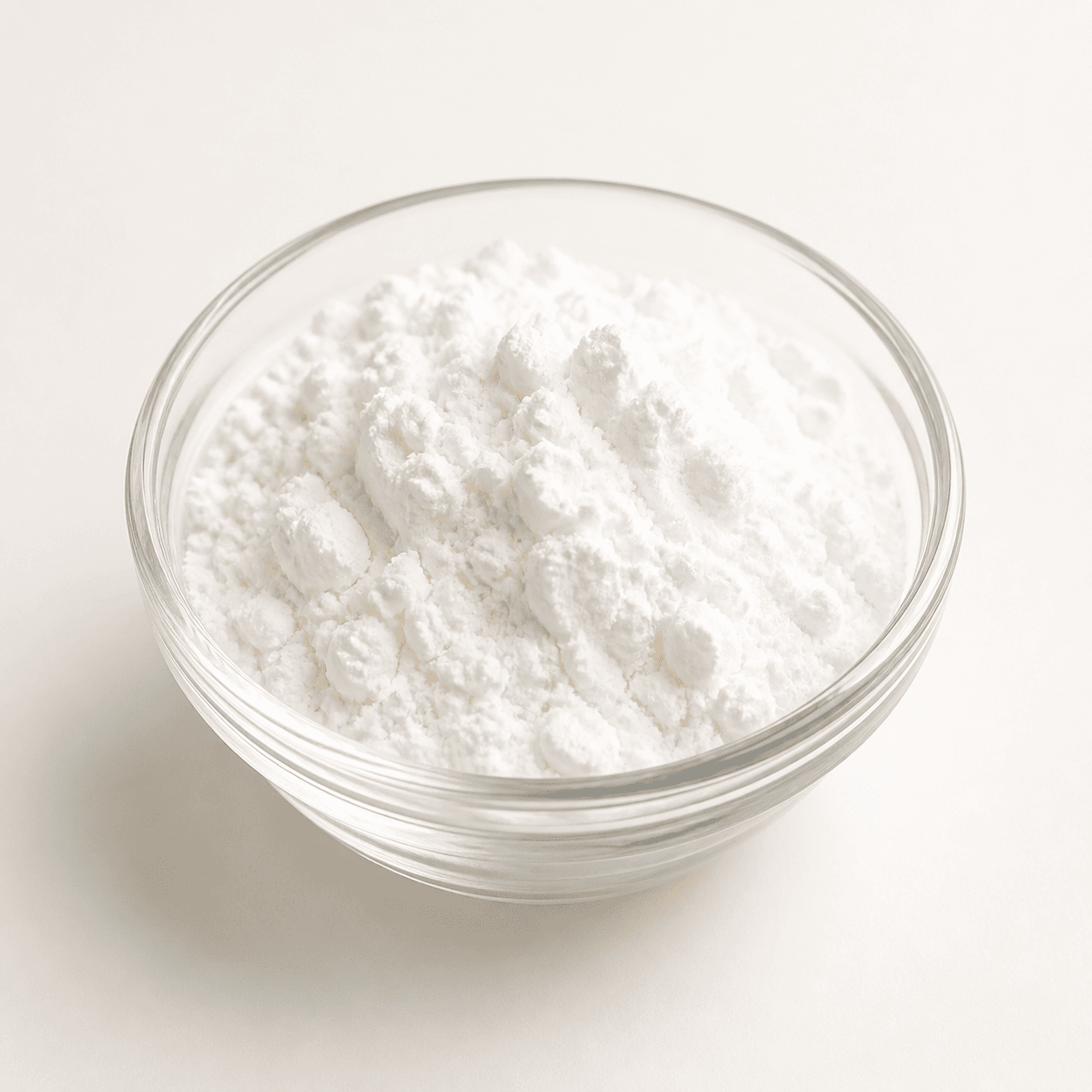
cornstarch玉米淀粉
0.35 oz — mixed with 90 ml water
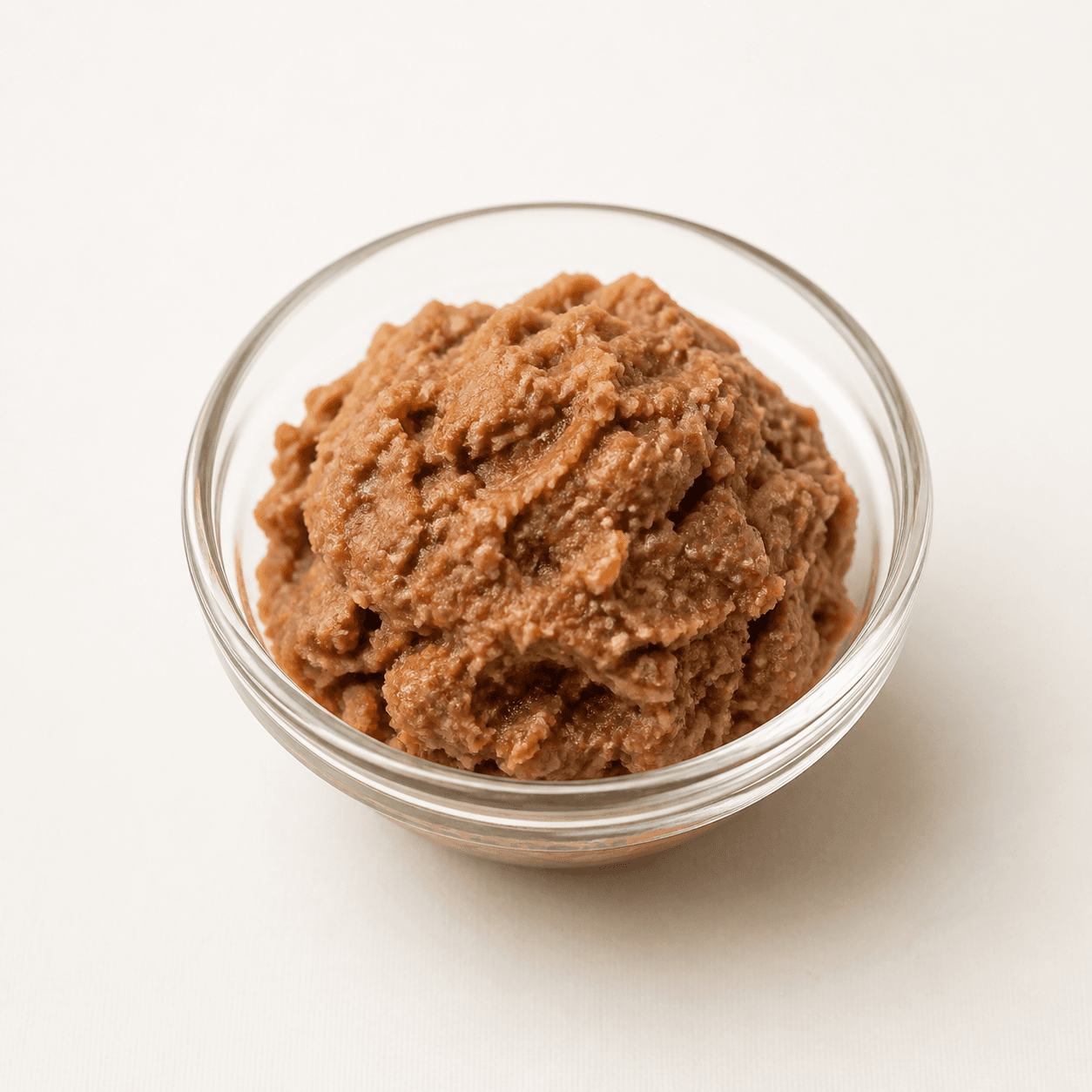
0.88 oz — finely chopped if coarse
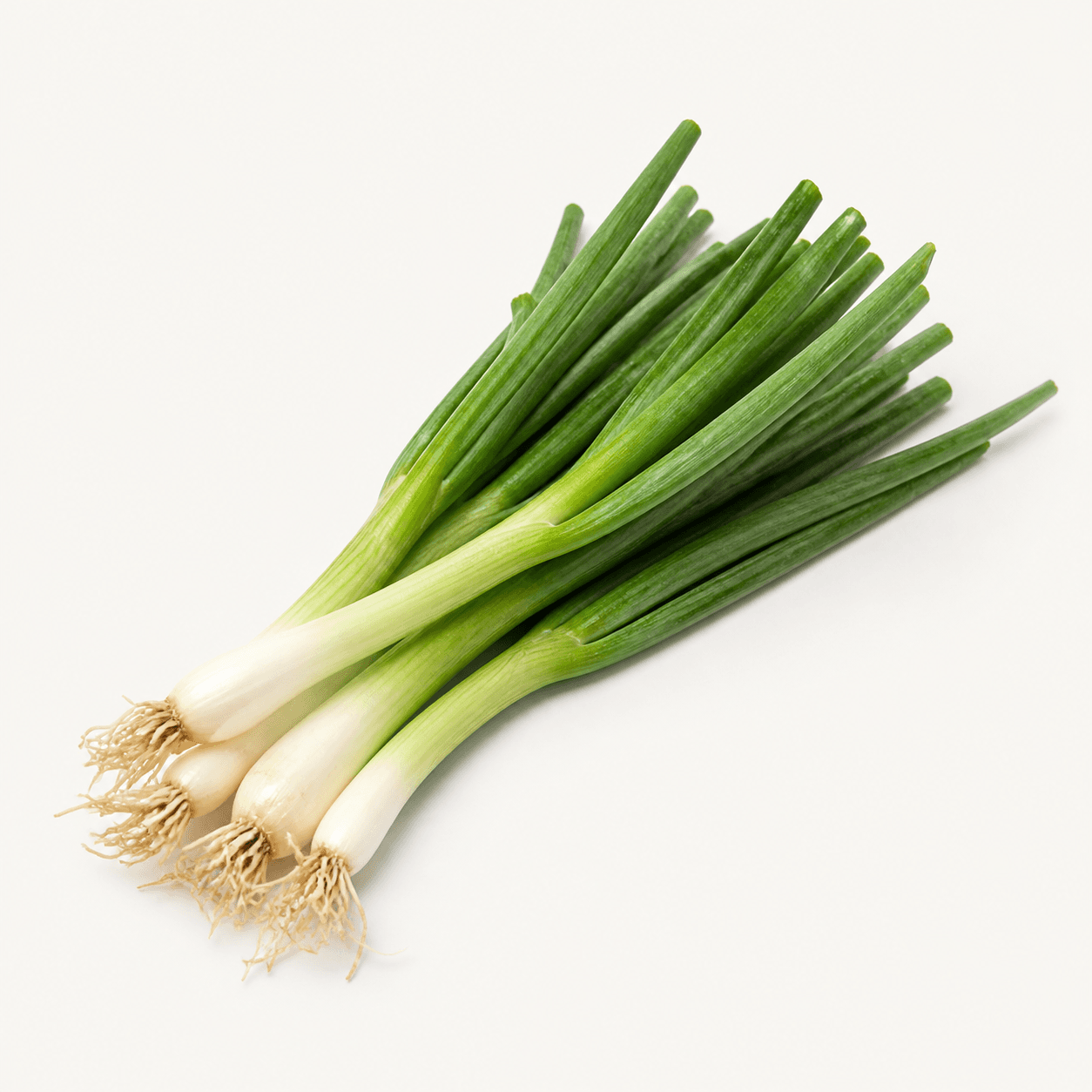
0.53 oz — white and green parts separated and chopped
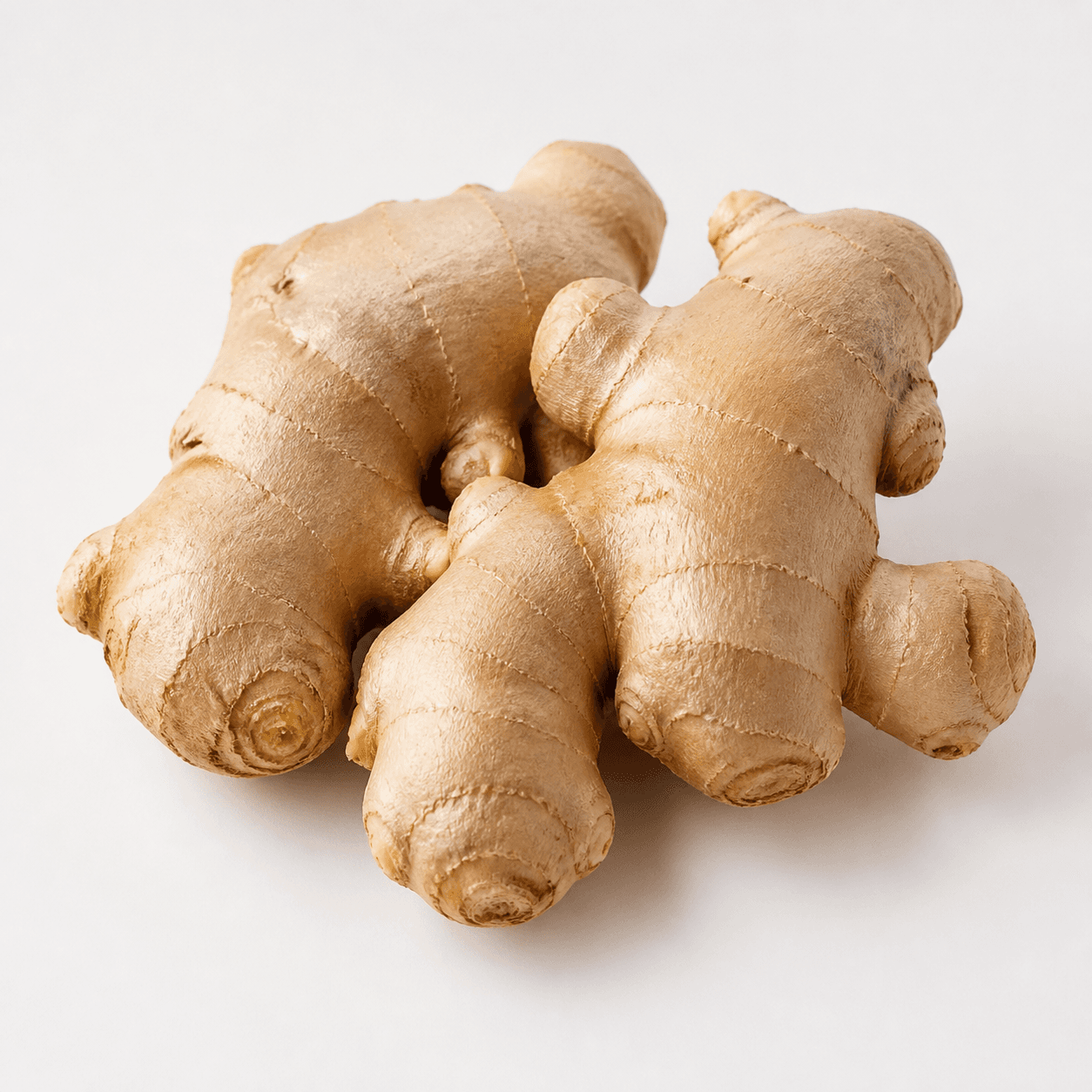
0.35 oz — minced
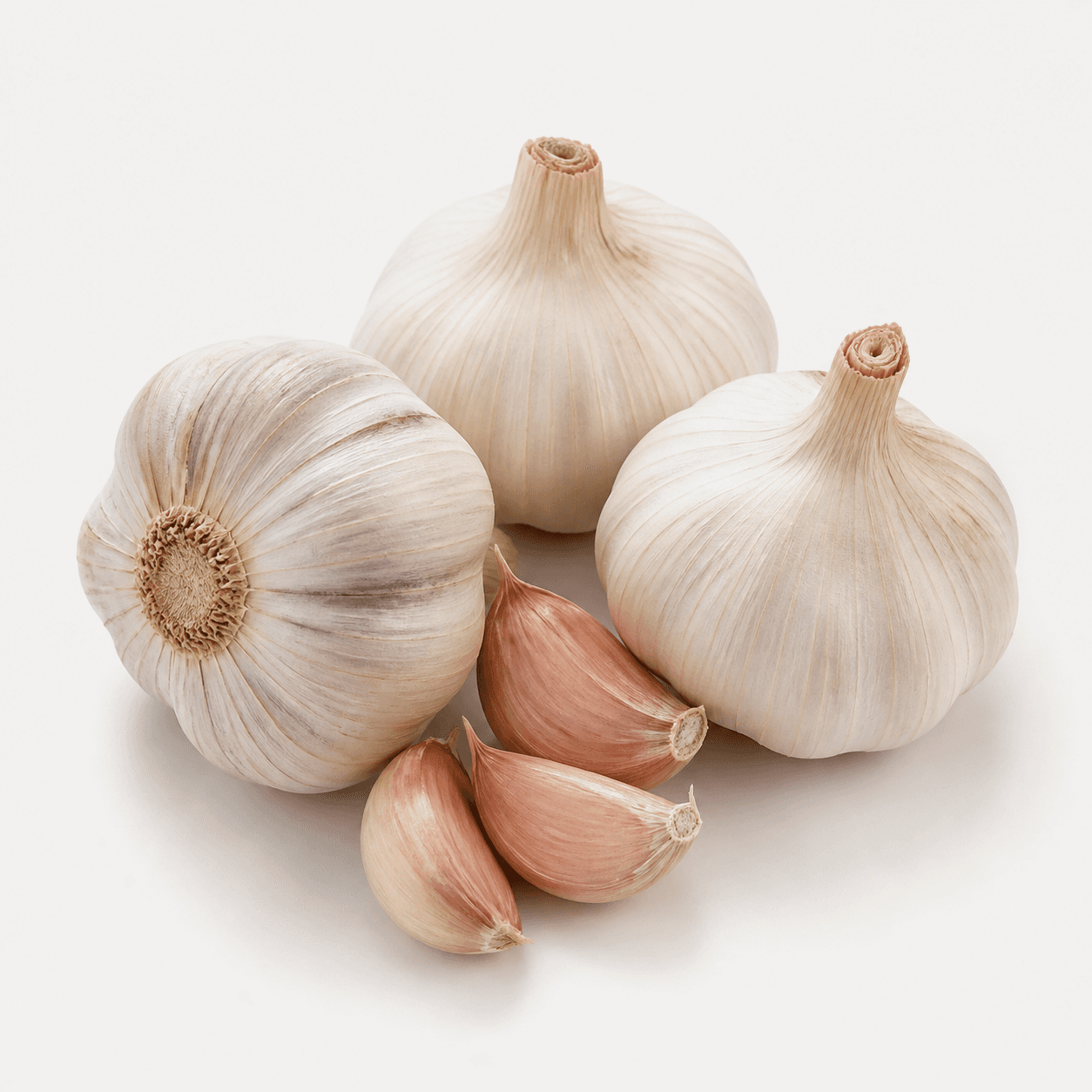
garlic大蒜
0.35 oz — minced
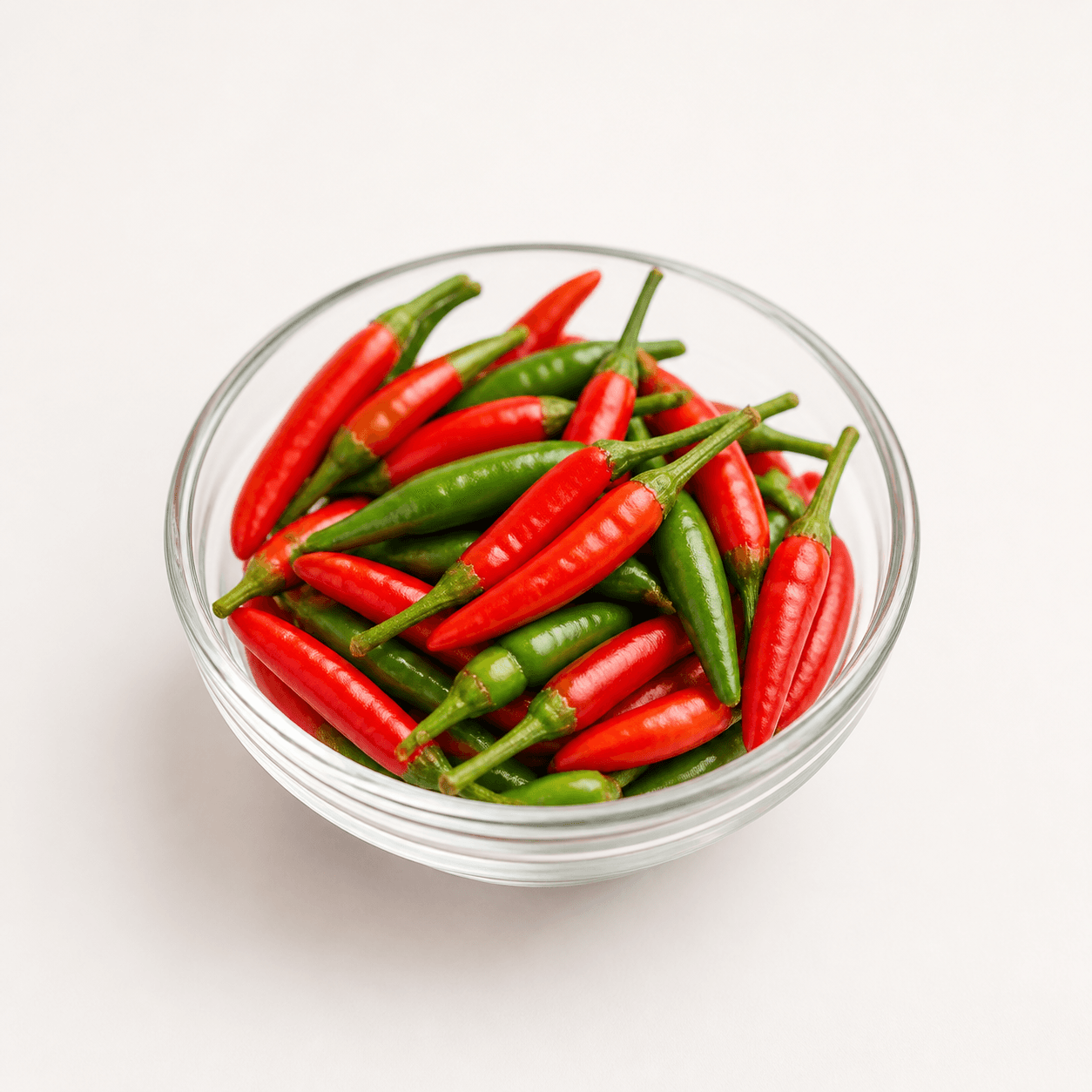
Bird's eye chiles小米辣Optional
1.0 whole — thinly sliced
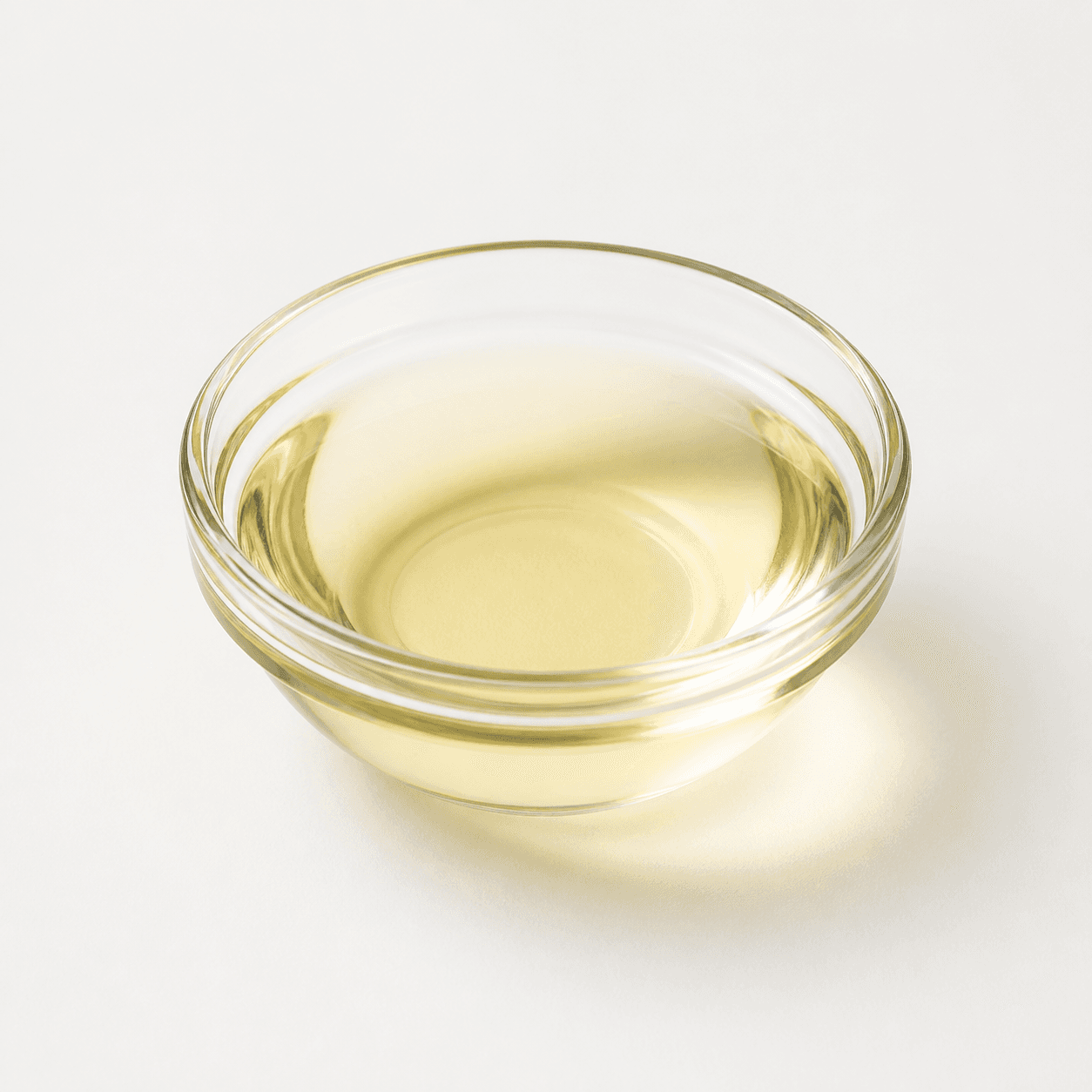
1.39 cup — 300 ml for frying; 30 ml for stir-frying
0.89 cup — 90 ml for slurry and 120 ml for the sauce
Techniques you'll use
- Deep-frying ↗
Cook food fully submerged in hot oil for crisp crust and moist interior.
- Stir-frying ↗
Cook small pieces in stages, then bring them together while their textures are distinct.
Steps
- 1
Step 110 min
Cut the eggplant into even batons. Mince the pork, scallion whites, ginger, and garlic, and slice the chile.
✅ Done when: The eggplant pieces are similar in size and all aromatics are finely chopped.
Watch out: Keep raw pork and ready-to-eat scallion greens on separate surfaces.
- 2
Step 22 min
Whisk the salt, sugar, optional MSG, light soy, dark soy, vinegar, cornstarch, and 90 ml water until smooth.
✅ Done when: The sauce is smooth with no dry starch at the bottom.
Watch out: Stir again immediately before adding because cornstarch settles.
Heat 300 ml oil in a wok over medium heat to about 180 C. Fry the eggplant for about 2 minutes until tender with lightly golden edges, then drain well.
✅ Done when: The eggplant bends easily and its edges are pale gold.
Watch out: Dry the eggplant before frying and lower it away from you to limit splatter.
If The eggplant is greasy but still firm inside.:
Bring the oil to about 180 C and fry in batches so the temperature stays steady.
Leave 15 ml oil in the wok. Stir-fry the pork over medium-high heat until opaque and at least 71 C, then transfer it to a plate.
✅ Done when: The pork is crumbly, opaque, and reaches at least 71 C.
Watch out: Break up the pork so no raw clumps remain.
Add the remaining 15 ml oil, doubanjiang, scallion whites, ginger, garlic, and chile. Stir-fry over medium heat until the oil turns red and the aromatics smell fragrant.
✅ Done when: The paste has released red oil without scorching.
Watch out: Doubanjiang burns quickly in a dry wok.
- 6
Step 62 min
Medium-high heatReturn the pork, add 120 ml water, and bring to a simmer. Add the fried eggplant and stir the sauce again before pouring it in.
✅ Done when: The eggplant is mostly surrounded by simmering sauce.
Watch out: Fold gently so the tender eggplant does not collapse.
- 7
Step 73 min
High heatCook over high heat, folding gently, until the sauce is glossy and clings to the eggplant. Add the scallion greens, toss once, and serve.
✅ Done when: The sauce coats the eggplant and no watery pool remains.
Watch out: Stop reducing before the starch-thickened sauce scorches.
If The sauce forms rubbery starch clumps.:
Stir the slurry immediately before adding and keep the sauce simmering as it goes in.