
Gallery
Sichuan Boiling Fish (Feiteng Style)
An authentic Chinese main dish — Sichuan Boiling Fish (Feiteng Style). Intermediate level, ready in about 1h 12m, serving 2. Step-by-step instructions with photos for home cooks.
- Prep
- 27m
- Cook
- 45m
- Total
- 1h 12m
- Servings
- 2
- Difficulty
- Intermediate
- Spice
- 1/5
- Cuisine
- Chinese
IngredientsWhat you'll need for Sichuan Boiling Fish (Feiteng Style)
| Ingredient | Amount |
|---|---|
| Fish fillet | 1 whole (about 400g fillet) |
| — For marinating the fish — | |
| Salt | a pinch (1.3g) |
| White pepper powder | a pinch (0.7g) |
| Egg whites | 2 (about 70g) |
| Cornstarch | a small handful (4.5g) |
| — For cooking — | |
| Fresh seasonal vegetables | as needed |
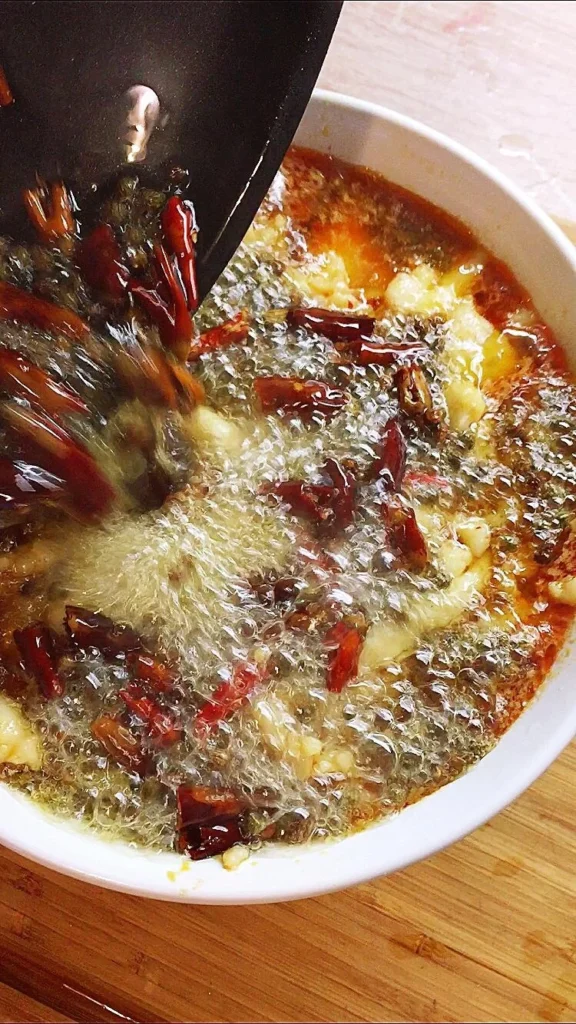
| Scallion, ginger, garlic | 3g, 10g, 18g |
| Doubanjiang (chili bean paste) | 1/2 tablespoon (10g) |
| Shaoxing wine | 1 tablespoon (15g) |
| Dark soy sauce (optional) | a tiny drizzle |
| Light soy sauce | 1 tablespoon (15g) |
| Stock or water | 600ml |
| Salt, sugar, chicken bouillon | to taste |
| Dried chili peppers | a large handful |
| Green Sichuan peppercorns | a large handful (15g) |
| Red Sichuan peppercorns (optional) | a small handful (3g) |
- Fish fillet1 whole (about 400g fillet)
- — For marinating the fish —
- Salta pinch (1.3g)
- White pepper powdera pinch (0.7g)
- Egg whites2 (about 70g)
- Cornstarcha small handful (4.5g)
- — For cooking —
- Fresh seasonal vegetablesas needed
- Scallion, ginger, garlic3g, 10g, 18g
- Doubanjiang (chili bean paste)1/2 tablespoon (10g)
- Shaoxing wine1 tablespoon (15g)
- Dark soy sauce (optional)a tiny drizzle
- Light soy sauce1 tablespoon (15g)
- Stock or water600ml
- Salt, sugar, chicken bouillonto taste
- Dried chili peppersa large handful
- Green Sichuan peppercornsa large handful (15g)
- Red Sichuan peppercorns (optional)a small handful (3g)
Cooking StepsHow to cook Sichuan Boiling Fish (Feiteng Style) step by step
-
 Step 1
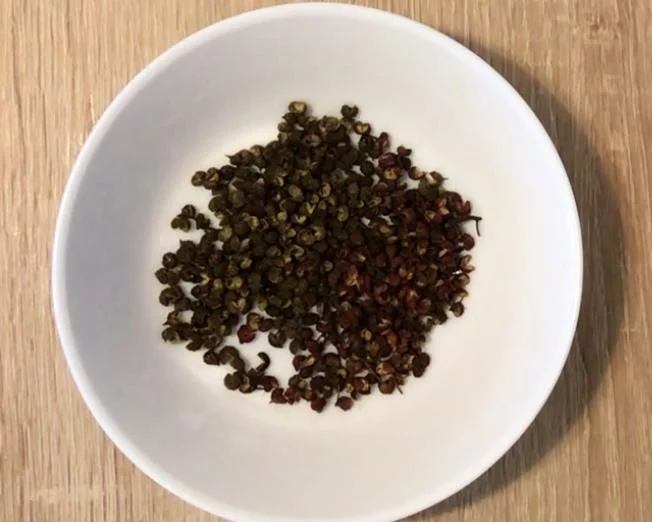
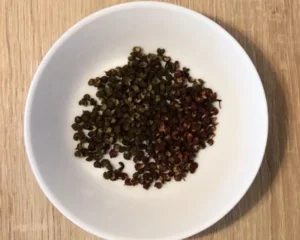
Take a handful each of green and red Sichuan peppercorns — use plenty, with a ratio of about 3:1 green to red.
-
 Step 2
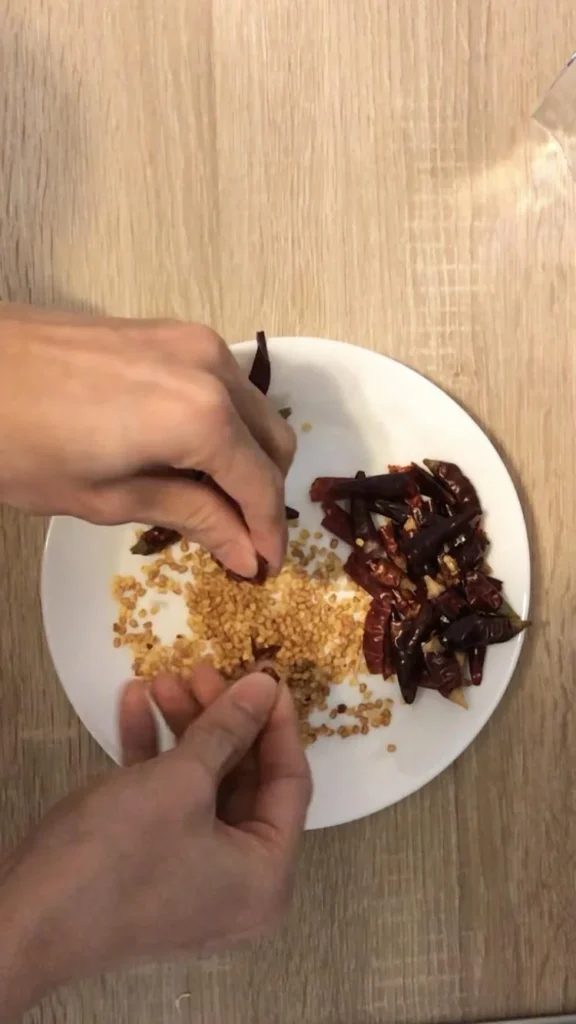
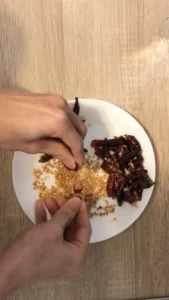
Break the dried chili peppers in half and shake out the seeds.
-
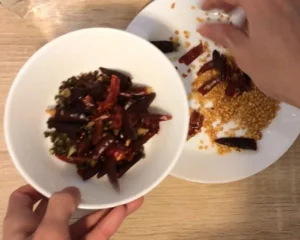 Step 3
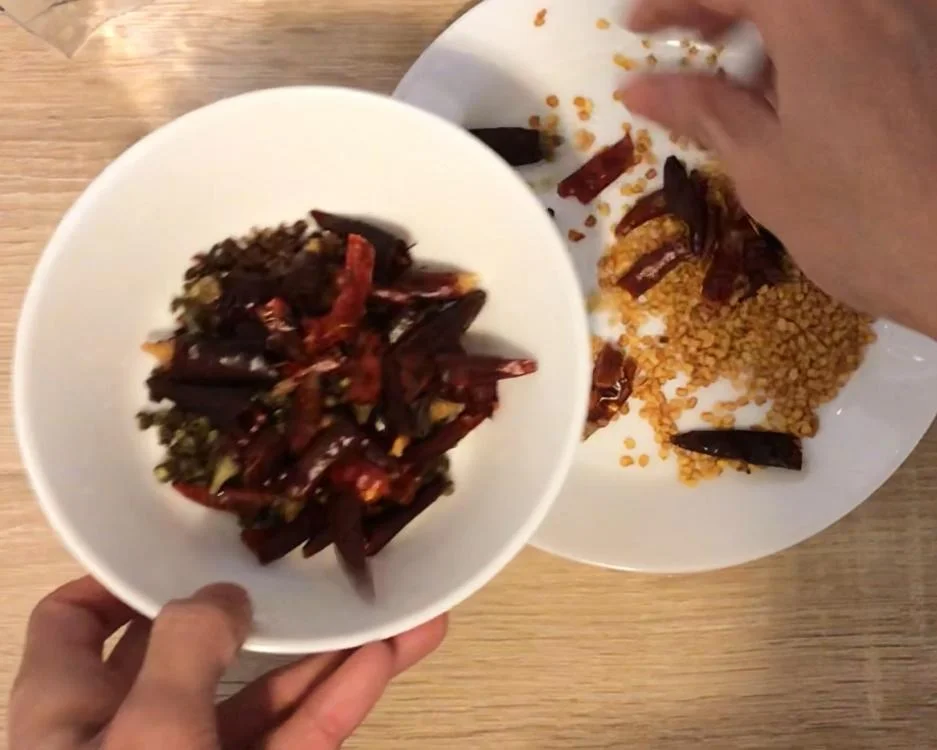
Place the dried chilies and peppercorns together in the same bowl.
-
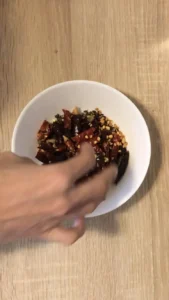 Step 4
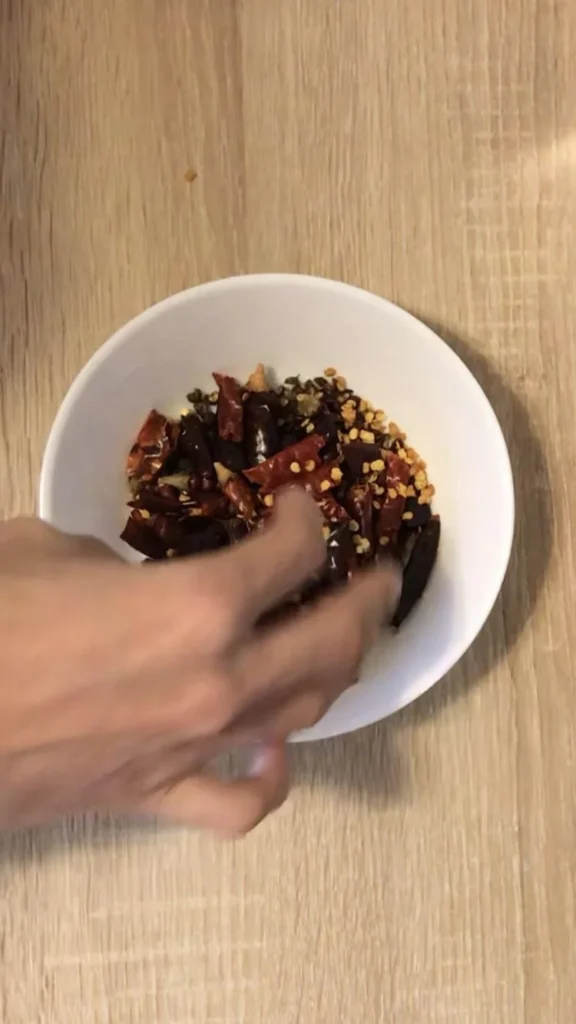
Sprinkle a little water over them and toss with your hands to dampen all the chilies and peppercorns.
-
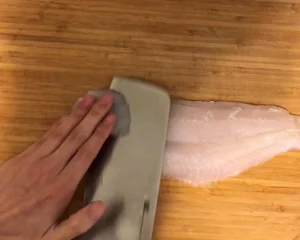 Step 5
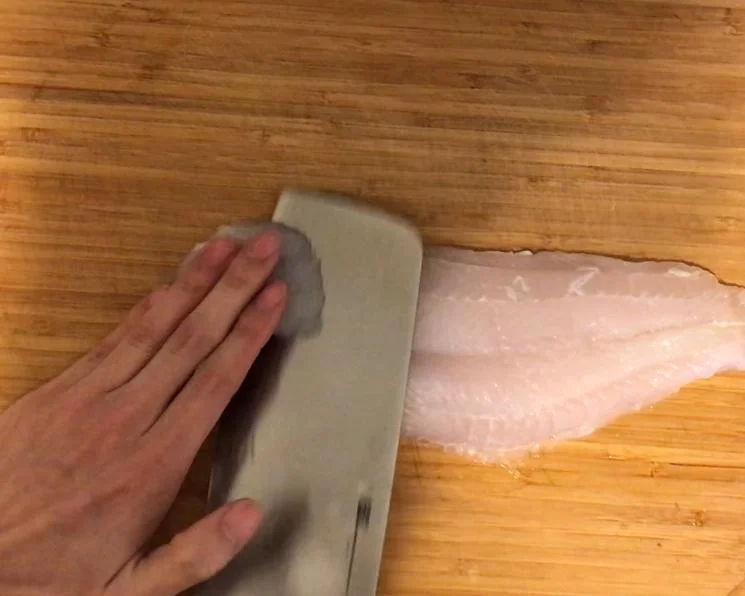
Slice the fish on the bias into fillets. I’m using fish fillets here because I couldn’t find a suitable whole fish. For how to handle a live fish, see Tip 1.
-
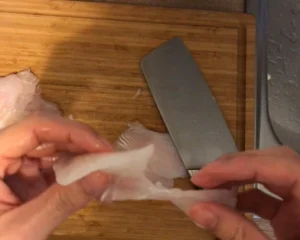 Step 6
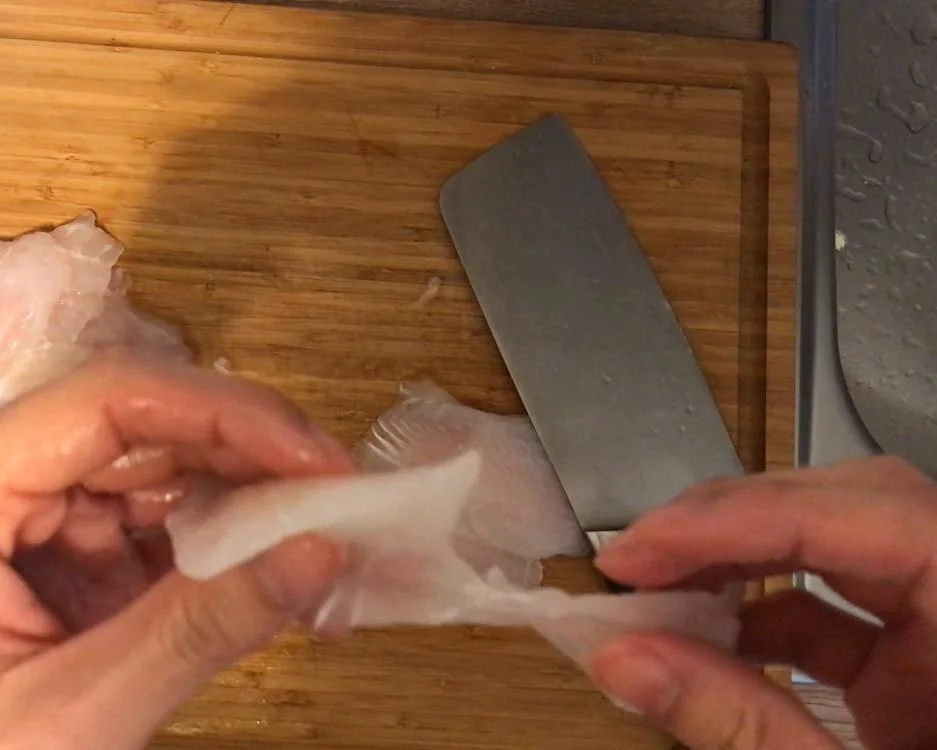
The fillets should be about 2–3mm thin. If using a live fish, you can slice them even thinner.
-
 Step 7
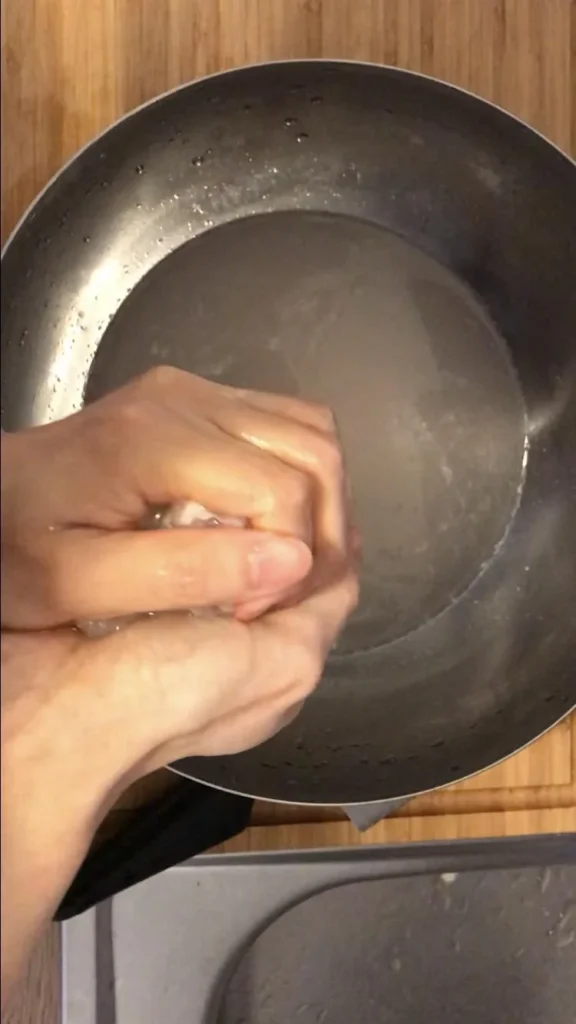
Rinse the sliced fish in clean water, then squeeze out as much moisture as possible with your hands.
-
 Step 8
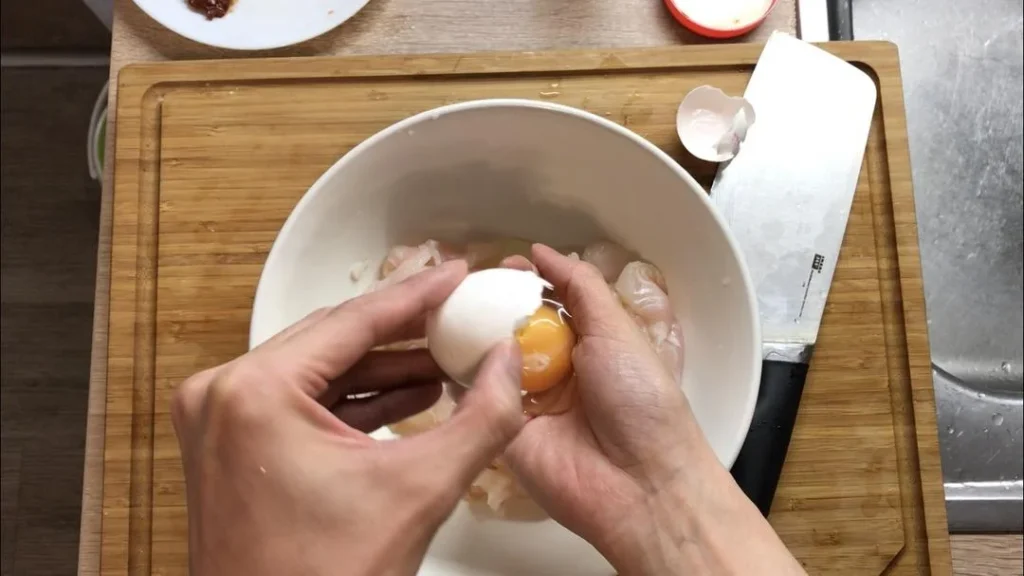
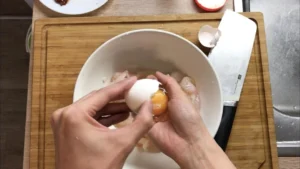
Add salt, white pepper, and egg whites. Mix evenly by hand.
-
 Step 9
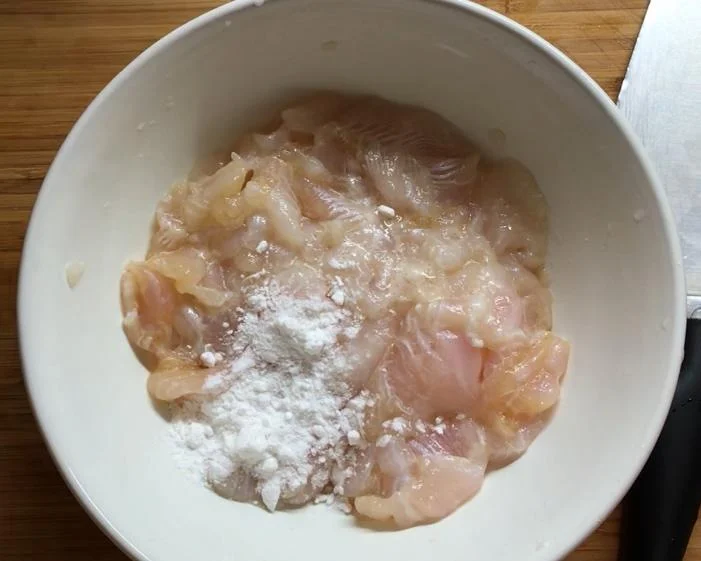
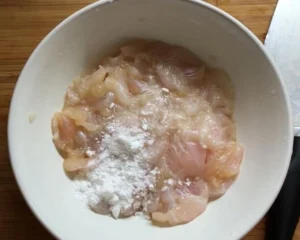
Add a handful of cornstarch and continue mixing until evenly coated. Set aside.
-
 Step 10
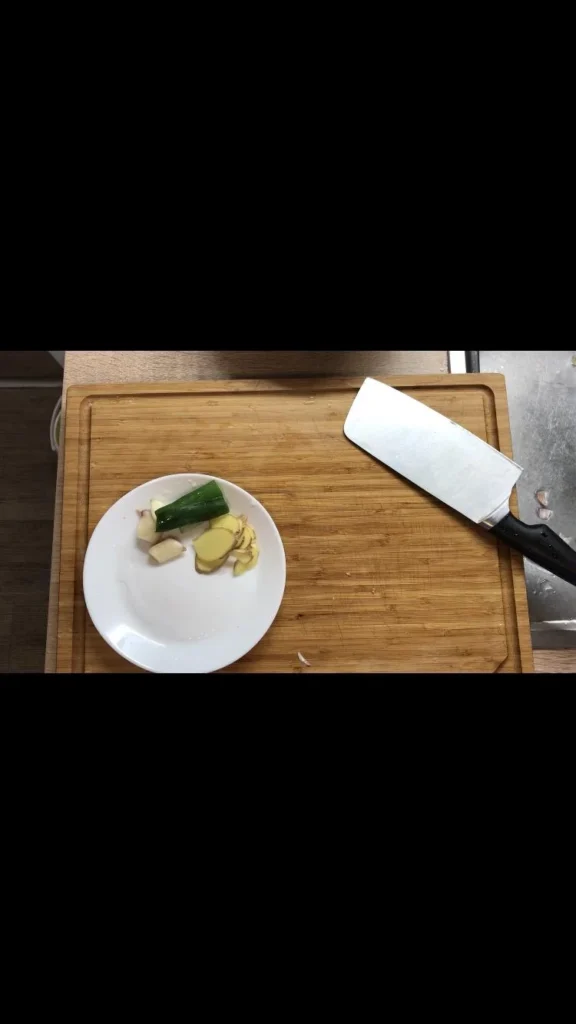
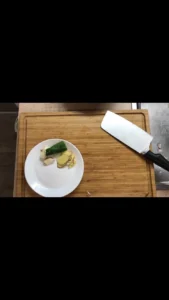
Prepare the scallion, ginger, and garlic. Set aside.
-
 Step 11
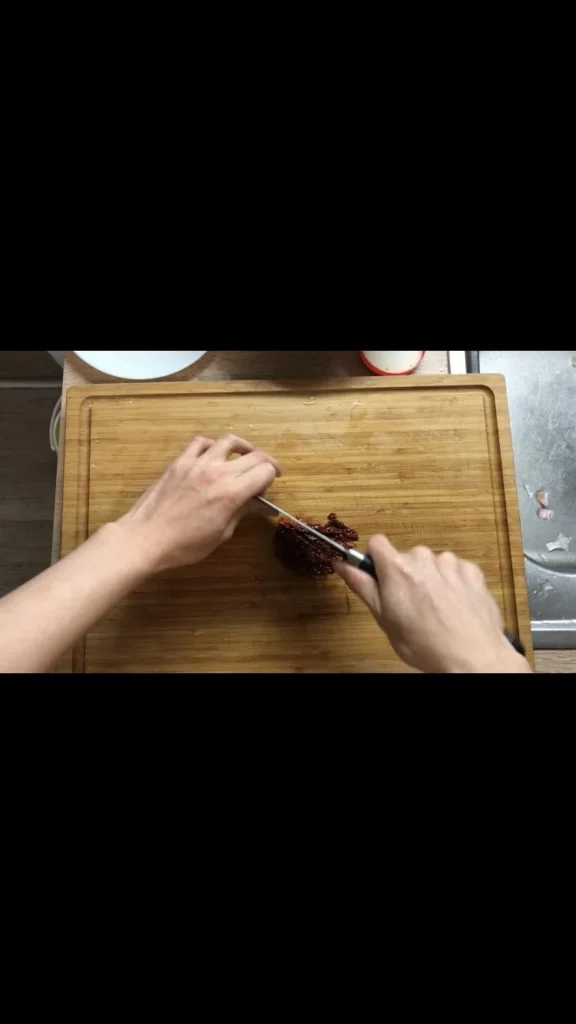
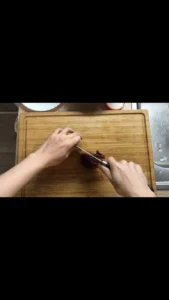
Finely mince a small spoonful of Pixian doubanjiang. Set aside.
-
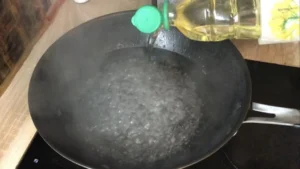 Step 12
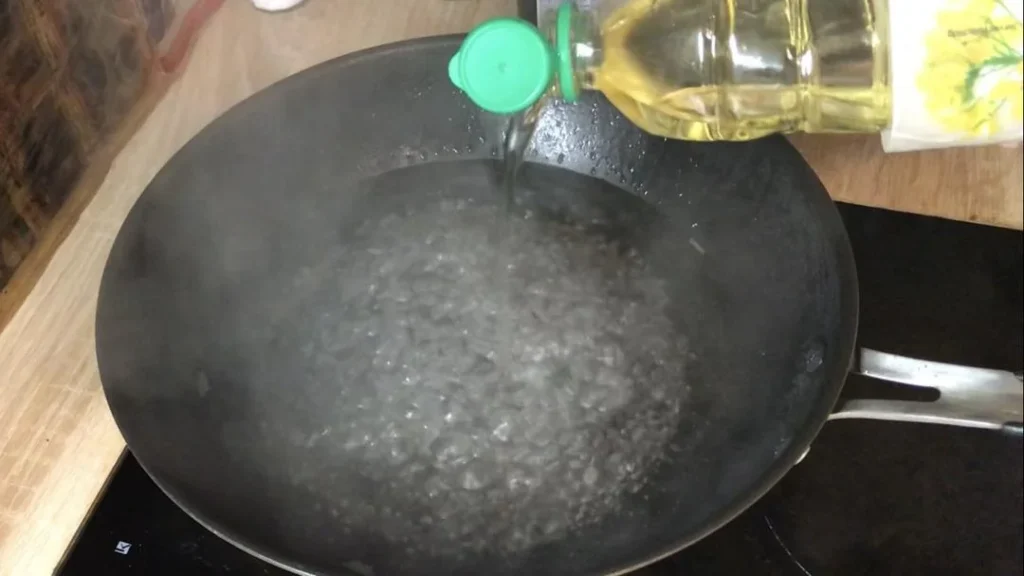
Bring a pot of water to a boil. Once boiling, add a splash of cooking oil and a pinch of salt.
-
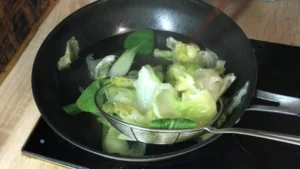 Step 13
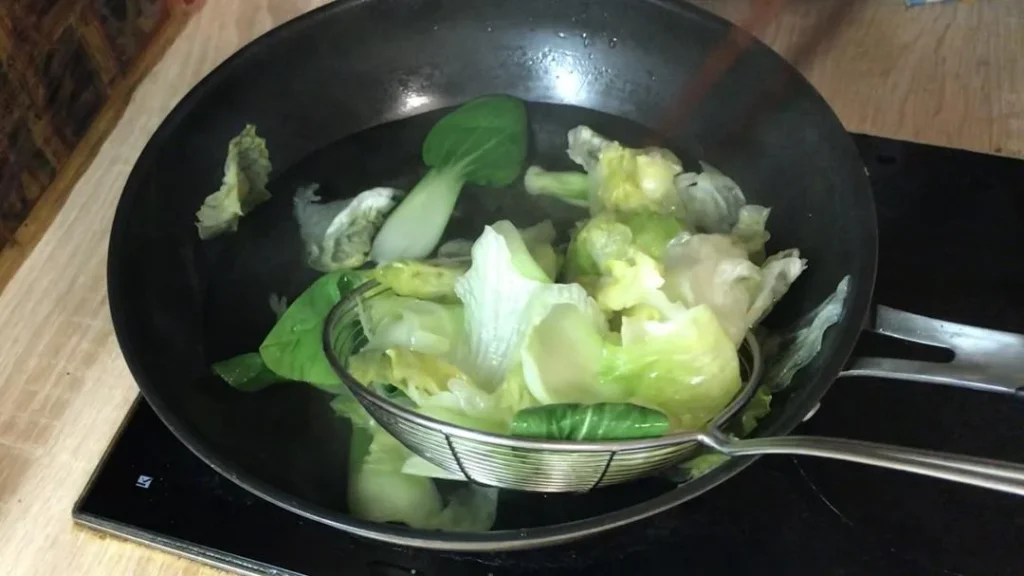
Blanch the vegetables until just cooked through (crisp-tender).
-
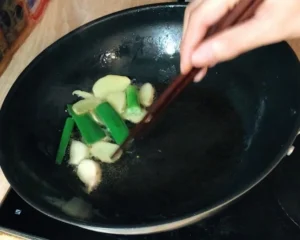 Step 14
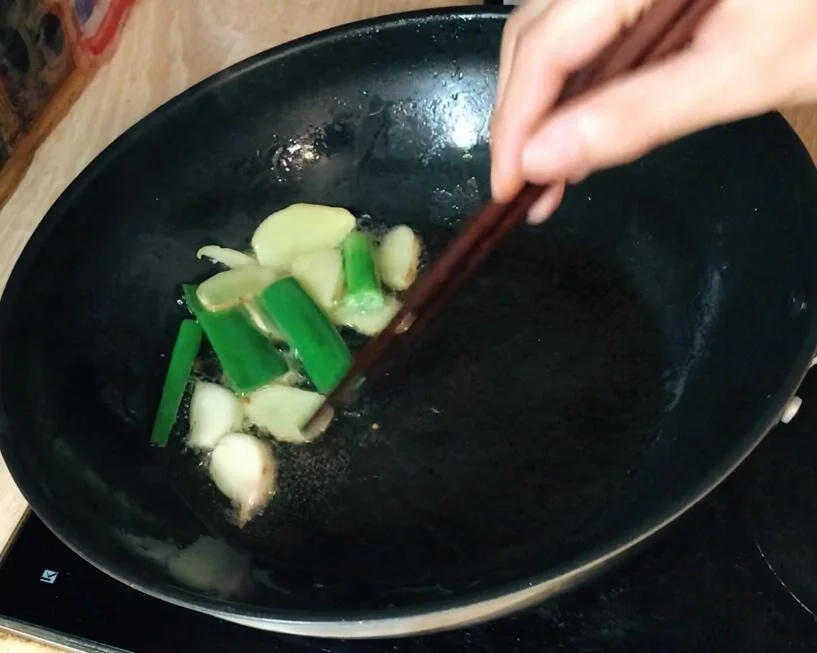
In a separate wok, heat oil over medium heat until it reaches about 150°C (300°F). Add the scallion, ginger, and garlic and sauté until fragrant.
-
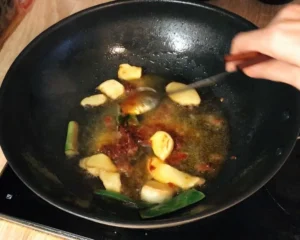 Step 15
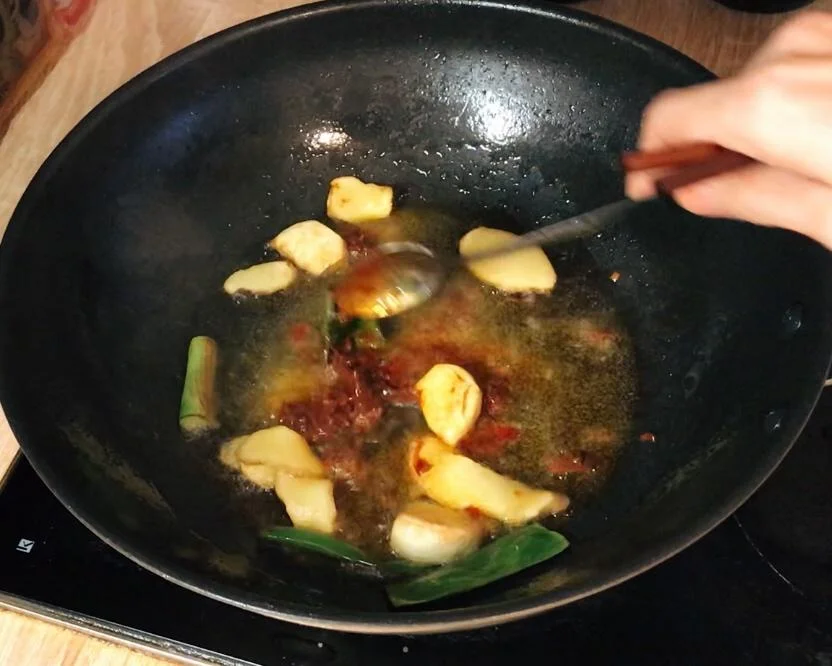
When the aromatics are lightly golden, add the Pixian doubanjiang and stir briefly until the red oil releases. Use medium-low heat here — the paste burns easily.
-
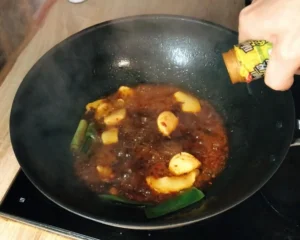 Step 16
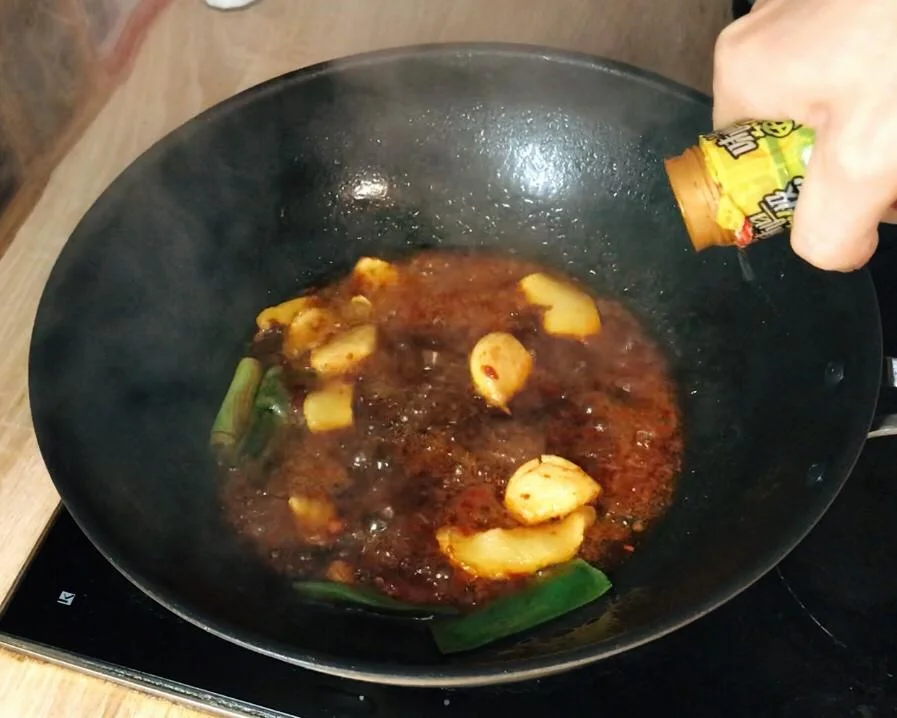
Add Shaoxing wine and light soy sauce, letting the heat bloom their aromas.
-
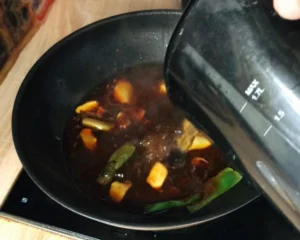 Step 17
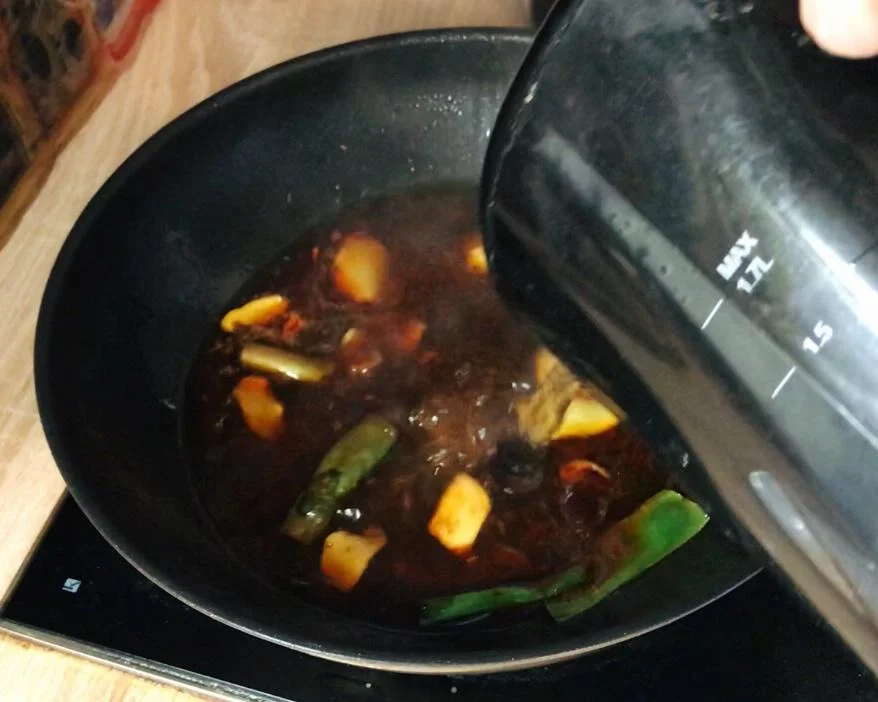
Pour in the stock or water and bring to a rolling boil over high heat.
-
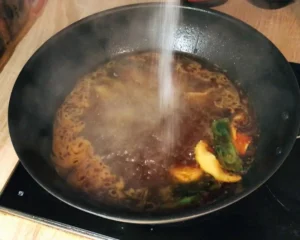 Step 18
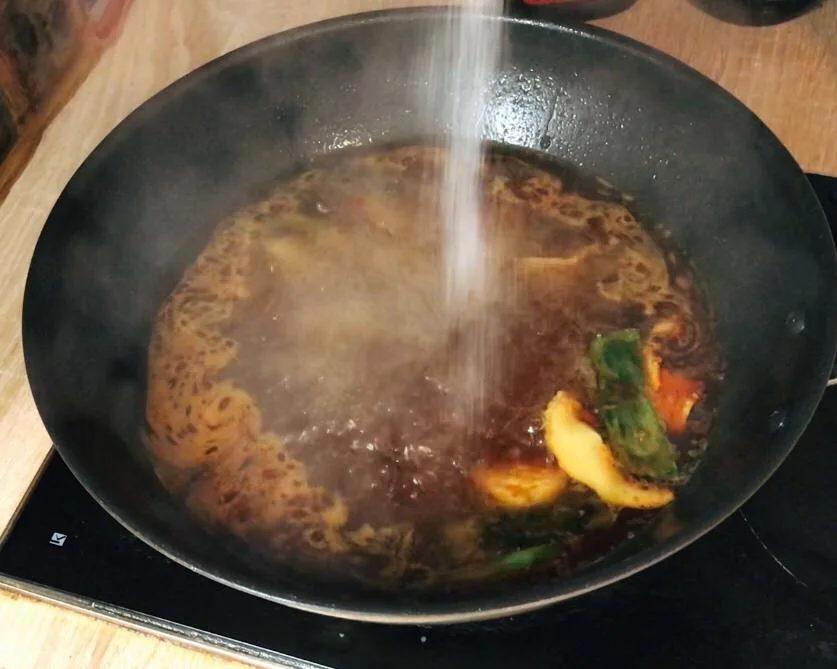
Once boiling, season the broth with salt, sugar, chicken bouillon (optional), and white pepper (optional, to taste).
-
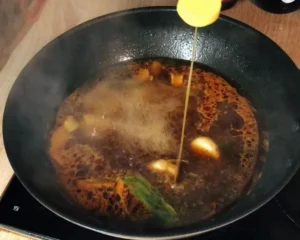 Step 19
I added some concentrated chicken stock as a shortcut for homemade stock — this is optional.
-
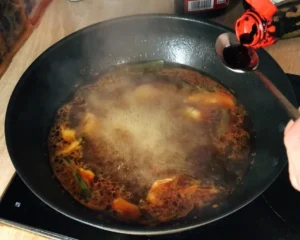 Step 20
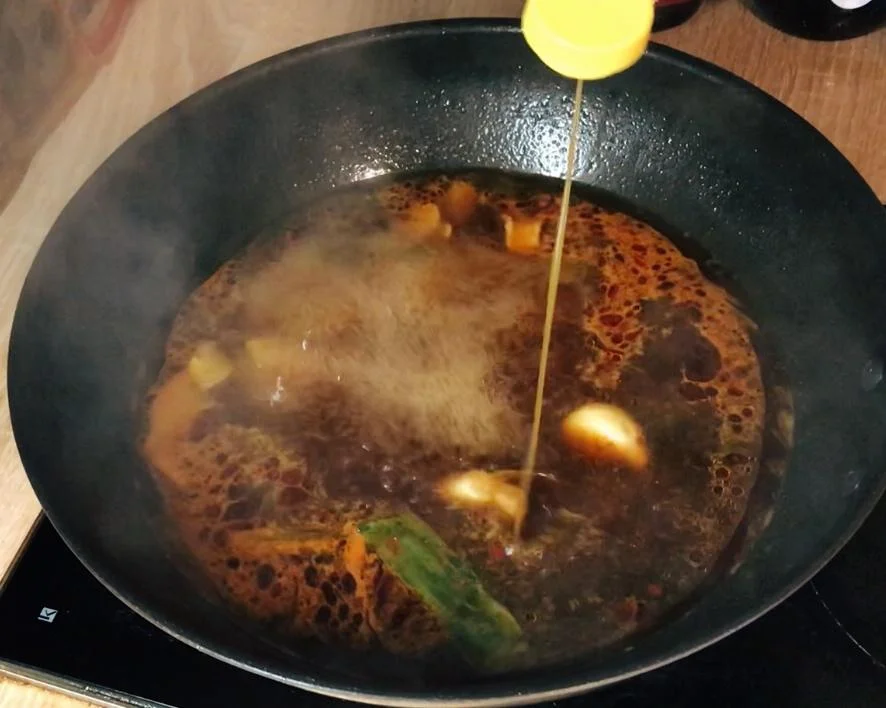
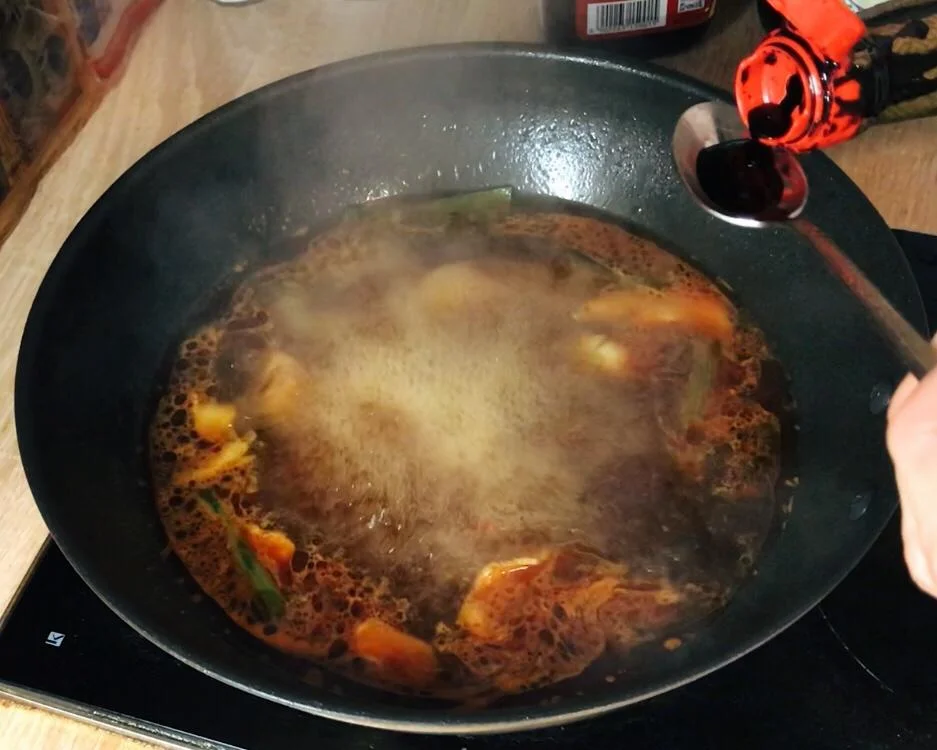
Add a tiny drizzle of dark soy sauce to give the broth a subtle base color.
-
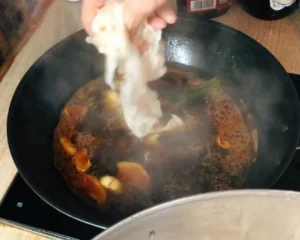 Step 21
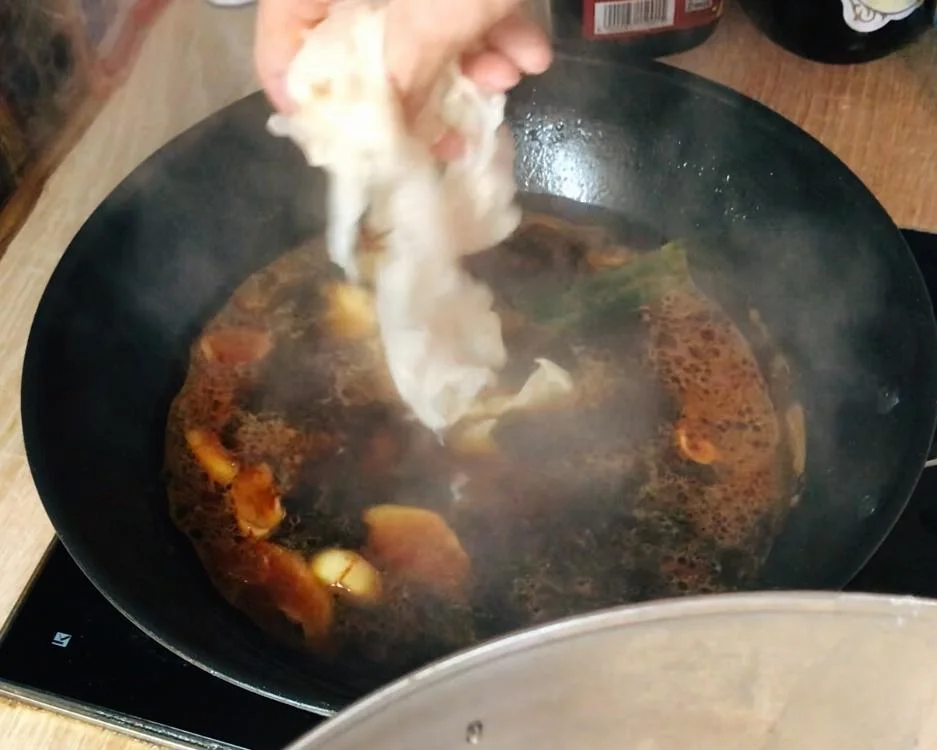
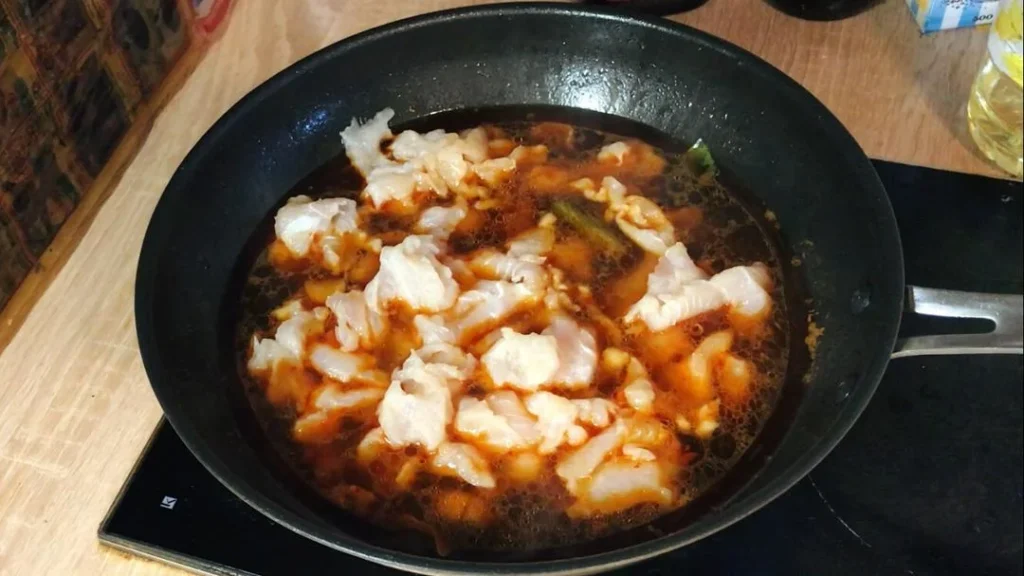
Turn off the heat or reduce to the lowest setting, then gently slide in the fish fillets.
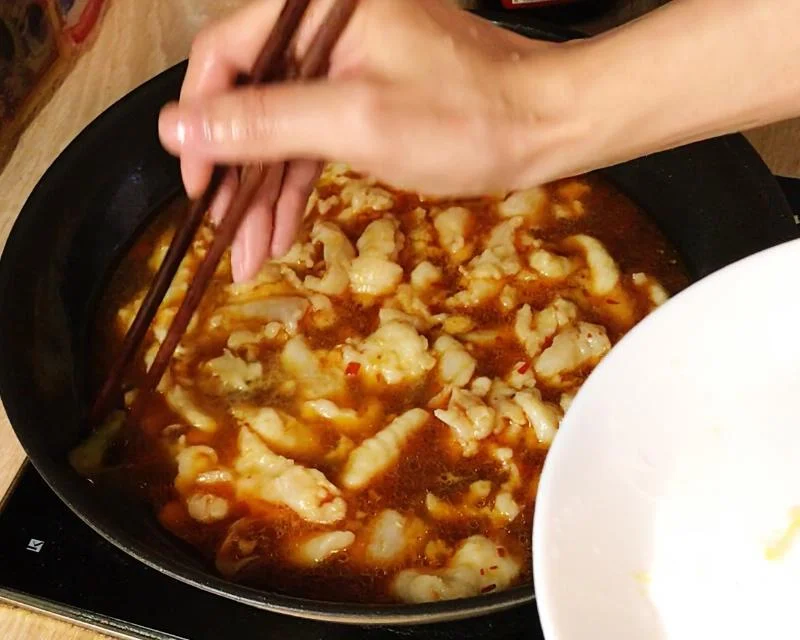
-
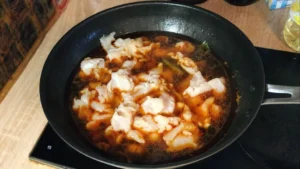 Step 22
Let the fillets sit for a few seconds so the cornstarch coating sets before you move them.
-
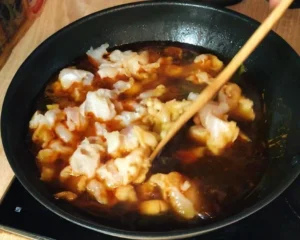 Step 23
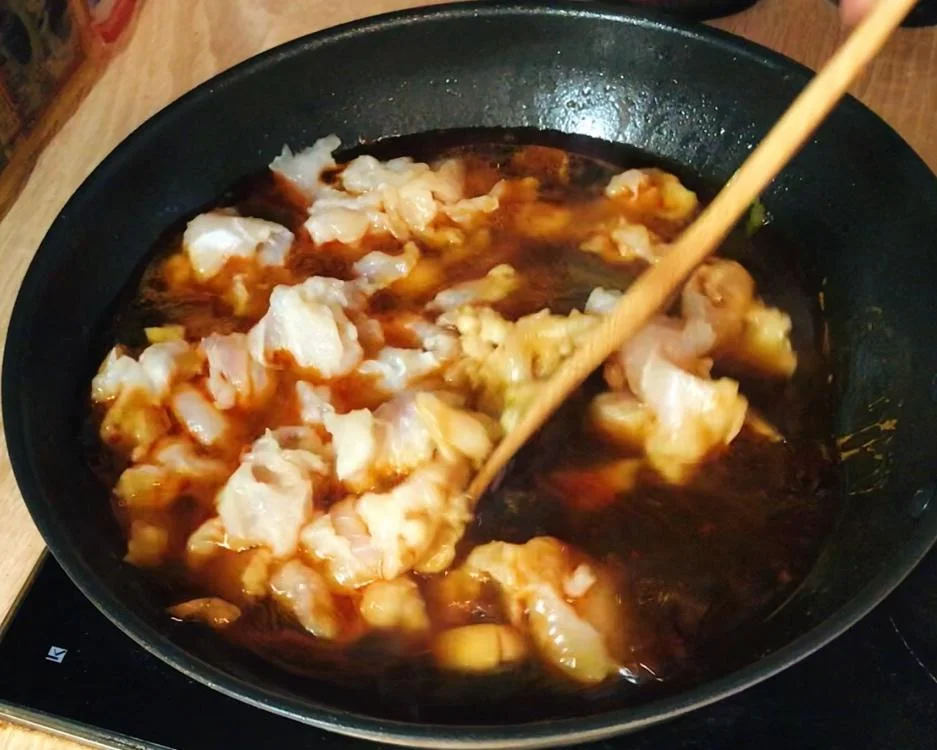
Gently push the fillets around so they cook evenly. Keep the heat on medium-low so the liquid stays just below a simmer — see Tip 4 for why.
-
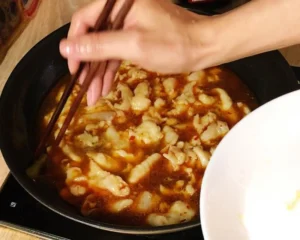 Step 24
As the fish cooks, fish out the scallion and ginger pieces (purely for presentation).
-
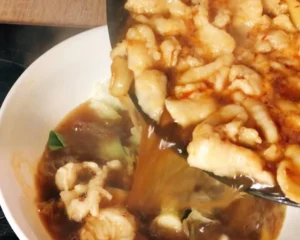 Step 25
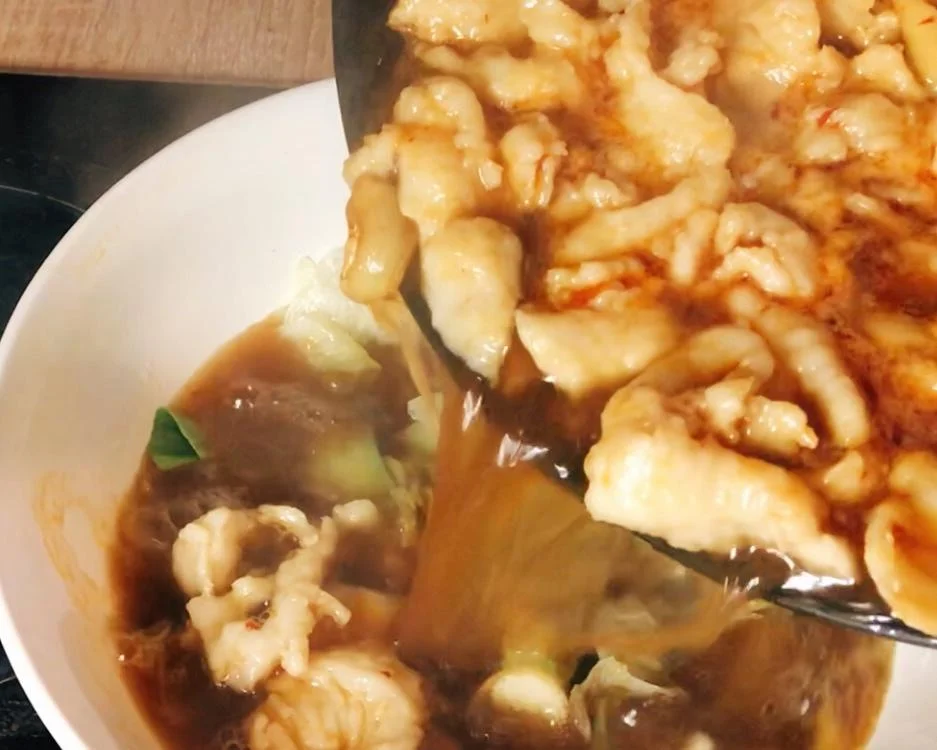
When the fish is about 80% cooked through, pour the fish and broth together into the large bowl lined with the blanched vegetables.
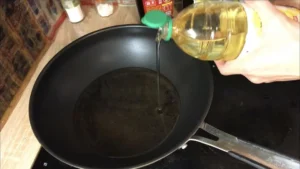
-
 Step 26
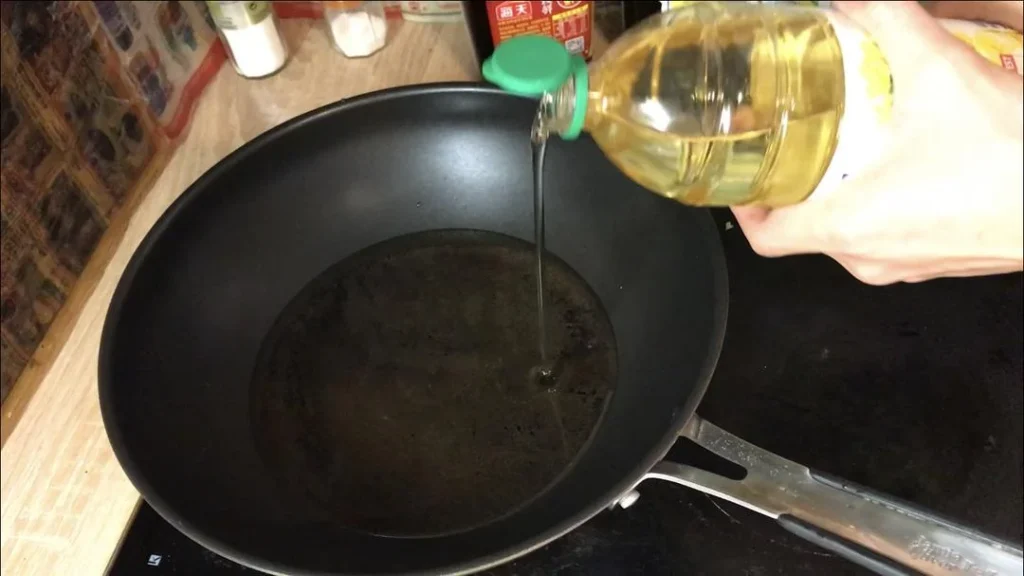
In the wok, heat about 150–200ml of oil.
-
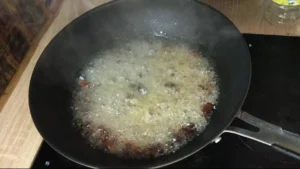 Step 27
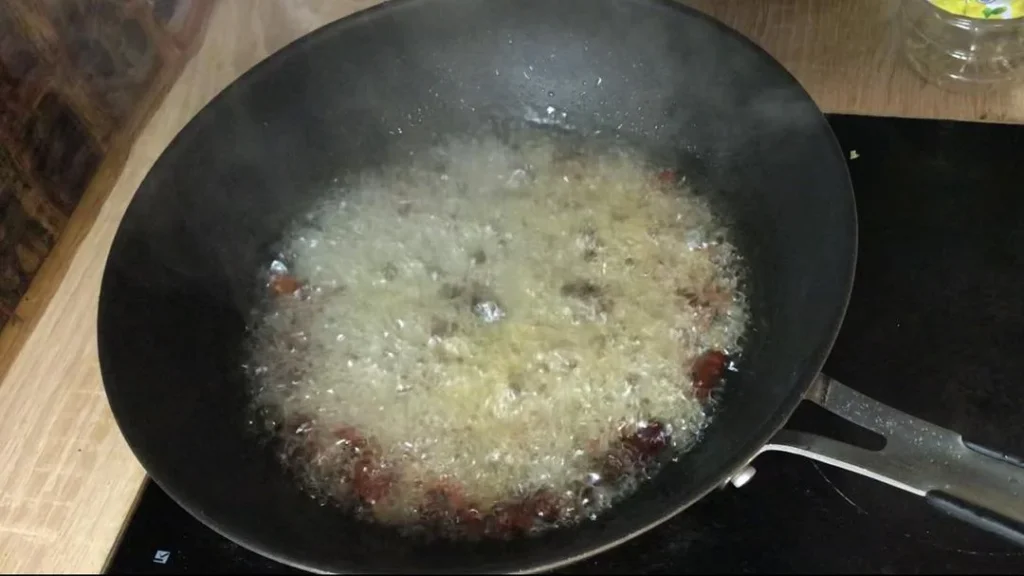
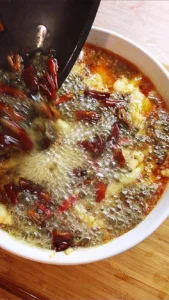
When the oil is very hot (you see wisps of blue smoke), quickly add the peppercorns and dried chilies. Count to two.
-
 Step 28
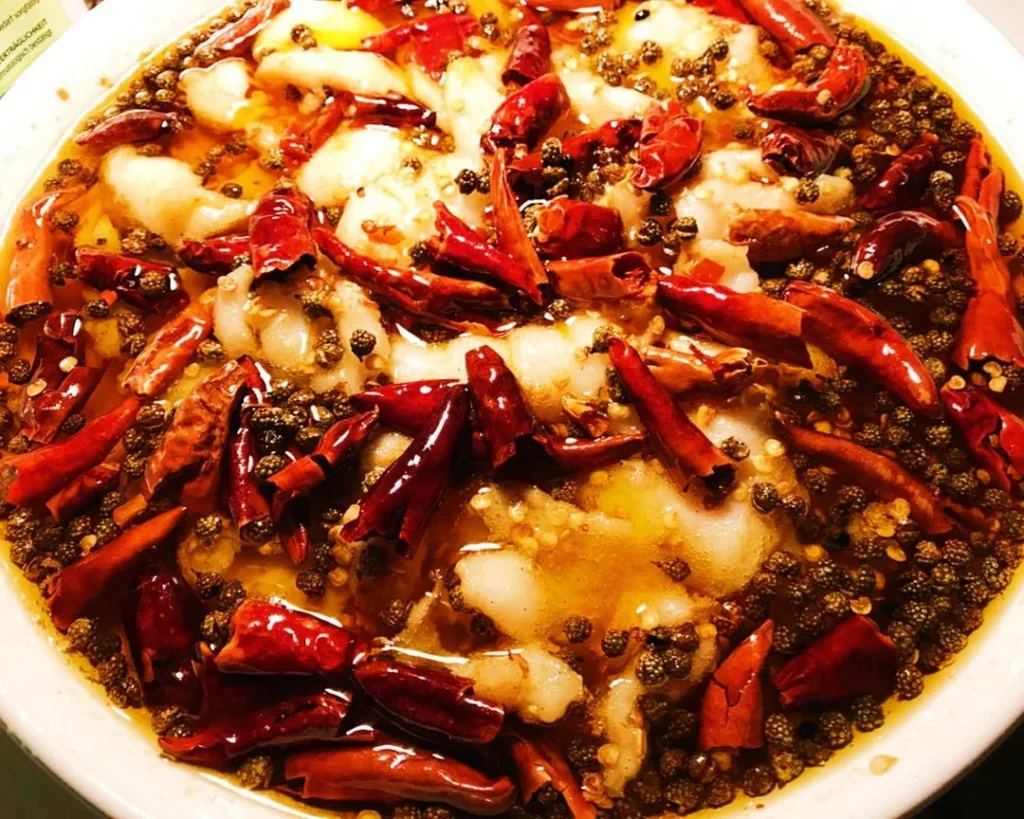
The moment two seconds are up, pour the sizzling oil, chilies, and peppercorns over the fish. Speed is critical — even one or two seconds too long and the peppercorns and chilies will scorch, losing all their fragrance.
-
 Step 29
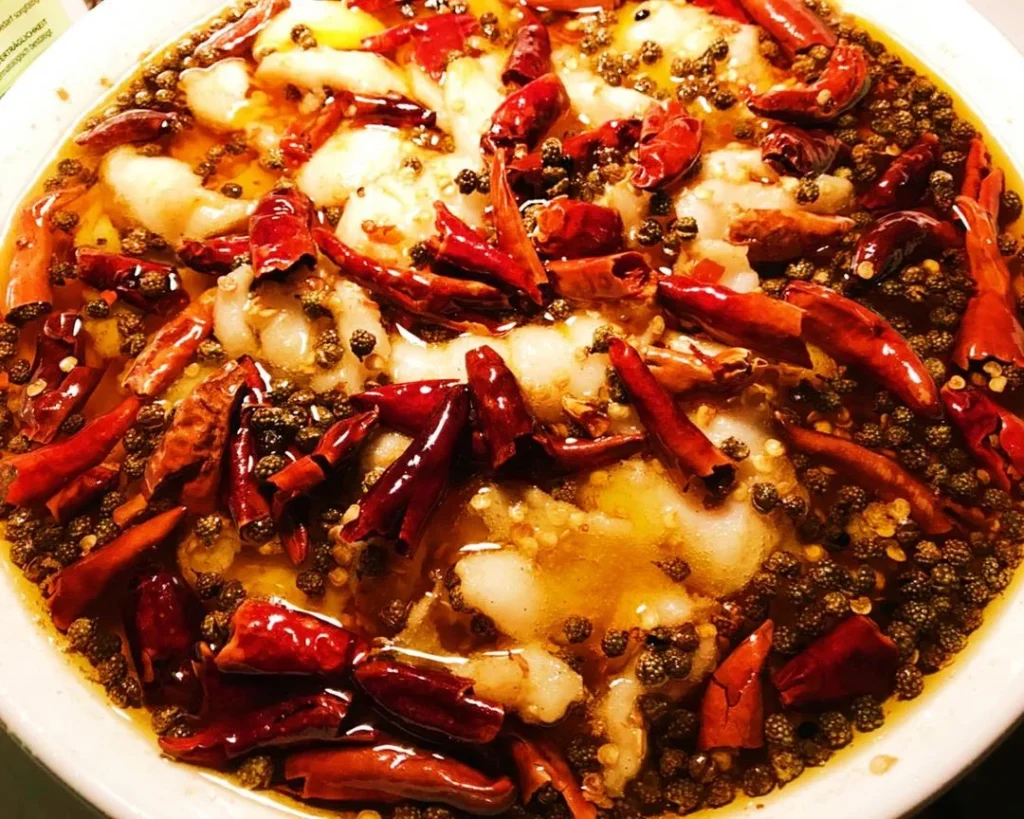
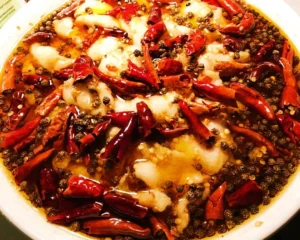
Once the hot oil is poured over, the dish looks much more appetizing. Done!
Sichuan Boiling Fish (Feiteng Style)
An authentic Chinese main dish — Sichuan Boiling Fish (Feiteng Style). Intermediate level, ready in about 1h 12m, serving 2. Step-by-step instructions with photos for home cooks.
Ingredients
- 1 whole (about 400g fillet) Fish fillet
- — For marinating the fish —
- a pinch (1.3g) Salt
- a pinch (0.7g) White pepper powder
- 2 (about 70g) Egg whites
- a small handful (4.5g) Cornstarch
- — For cooking —
- as needed Fresh seasonal vegetables
- 3g, 10g, 18g Scallion, ginger, garlic
- 1/2 tablespoon (10g) Doubanjiang (chili bean paste)
- 1 tablespoon (15g) Shaoxing wine
- a tiny drizzle Dark soy sauce (optional)
- 1 tablespoon (15g) Light soy sauce
- 600ml Stock or water
- to taste Salt, sugar, chicken bouillon
- a large handful Dried chili peppers
- a large handful (15g) Green Sichuan peppercorns
- a small handful (3g) Red Sichuan peppercorns (optional)
Instructions
-
Take a handful each of green and red Sichuan peppercorns — use plenty, with a ratio of about 3:1 green to red.
-
Break the dried chili peppers in half and shake out the seeds.
-
Place the dried chilies and peppercorns together in the same bowl.
-
Sprinkle a little water over them and toss with your hands to dampen all the chilies and peppercorns.
-
Slice the fish on the bias into fillets. I’m using fish fillets here because I couldn’t find a suitable whole fish. For how to handle a live fish, see Tip 1.
-
The fillets should be about 2–3mm thin. If using a live fish, you can slice them even thinner.
-
Rinse the sliced fish in clean water, then squeeze out as much moisture as possible with your hands.
-
Add salt, white pepper, and egg whites. Mix evenly by hand.
-
Add a handful of cornstarch and continue mixing until evenly coated. Set aside.
-
Prepare the scallion, ginger, and garlic. Set aside.
-
Finely mince a small spoonful of Pixian doubanjiang. Set aside.
-
Bring a pot of water to a boil. Once boiling, add a splash of cooking oil and a pinch of salt.
-
Blanch the vegetables until just cooked through (crisp-tender).
-
In a separate wok, heat oil over medium heat until it reaches about 150°C (300°F). Add the scallion, ginger, and garlic and sauté until fragrant.
-
When the aromatics are lightly golden, add the Pixian doubanjiang and stir briefly until the red oil releases. Use medium-low heat here — the paste burns easily.
-
Add Shaoxing wine and light soy sauce, letting the heat bloom their aromas.
-
Pour in the stock or water and bring to a rolling boil over high heat.
-
Once boiling, season the broth with salt, sugar, chicken bouillon (optional), and white pepper (optional, to taste).
-
I added some concentrated chicken stock as a shortcut for homemade stock — this is optional.
-
Add a tiny drizzle of dark soy sauce to give the broth a subtle base color.
-
Turn off the heat or reduce to the lowest setting, then gently slide in the fish fillets.
-
Let the fillets sit for a few seconds so the cornstarch coating sets before you move them.
-
Gently push the fillets around so they cook evenly. Keep the heat on medium-low so the liquid stays just below a simmer — see Tip 4 for why.
-
As the fish cooks, fish out the scallion and ginger pieces (purely for presentation).
-
When the fish is about 80% cooked through, pour the fish and broth together into the large bowl lined with the blanched vegetables.
-
In the wok, heat about 150–200ml of oil.
-
When the oil is very hot (you see wisps of blue smoke), quickly add the peppercorns and dried chilies. Count to two.
-
The moment two seconds are up, pour the sizzling oil, chilies, and peppercorns over the fish. Speed is critical — even one or two seconds too long and the peppercorns and chilies will scorch, losing all their fragrance.
-
Once the hot oil is poured over, the dish looks much more appetizing. Done!