


Spring Bamboo Shoots: Storage and Cooking Guide

Other★ Easy48min

Prep 18m ·
Cook 30m ·
2 Servings

IngredientsWhat you'll need for Spring Bamboo Shoots: Storage and Cooking Guide

Ingredient Amount Notes
bamboo shoots as needed

Spring Bamboo Shoots: Storage and Cooking Guide

Ingredients

  • as needed bamboo shoots

Instructions

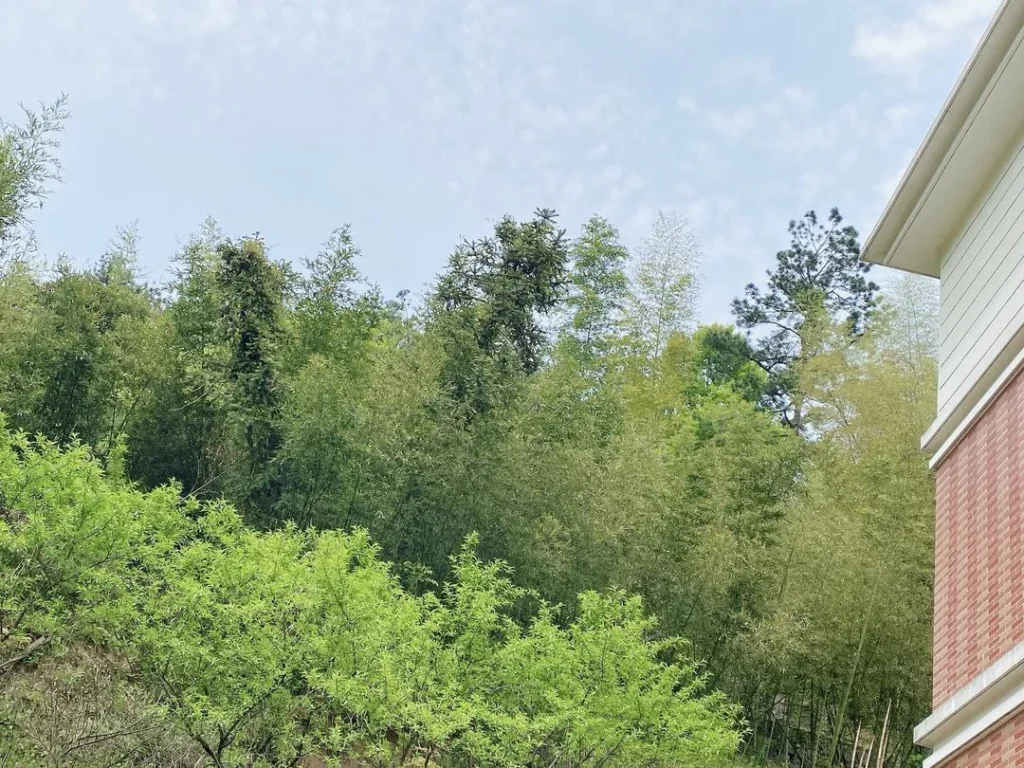
  1. The bamboo mountain is right behind the house.
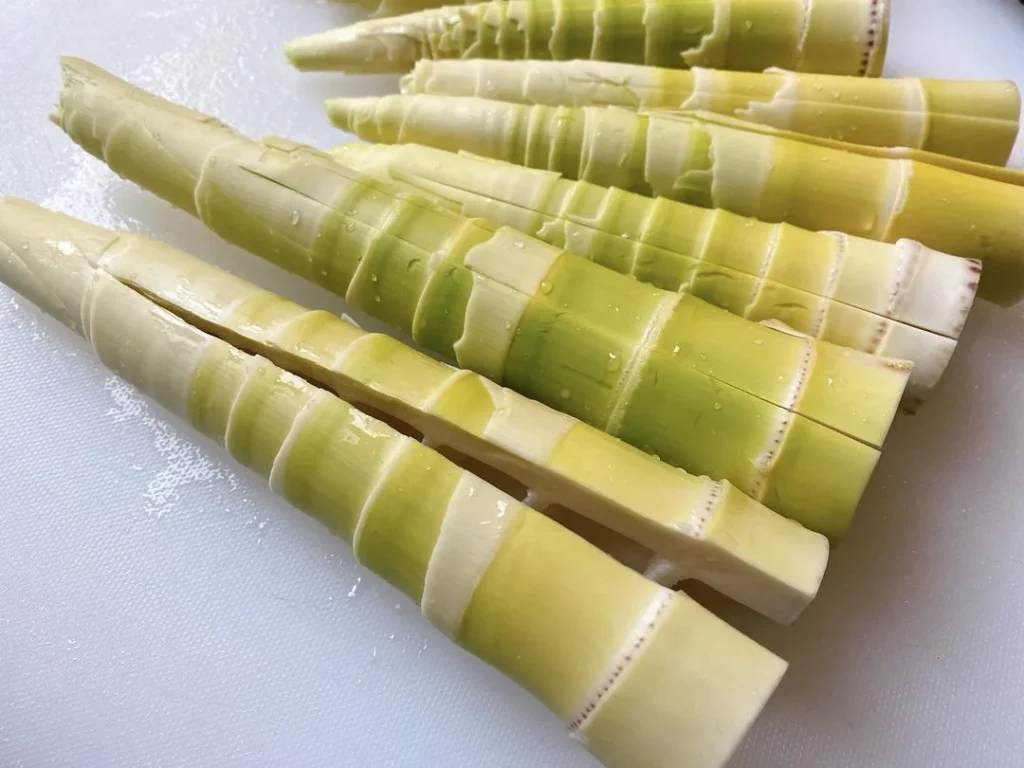
  2. By this time, the moso bamboo shoots have passed their prime eating period.
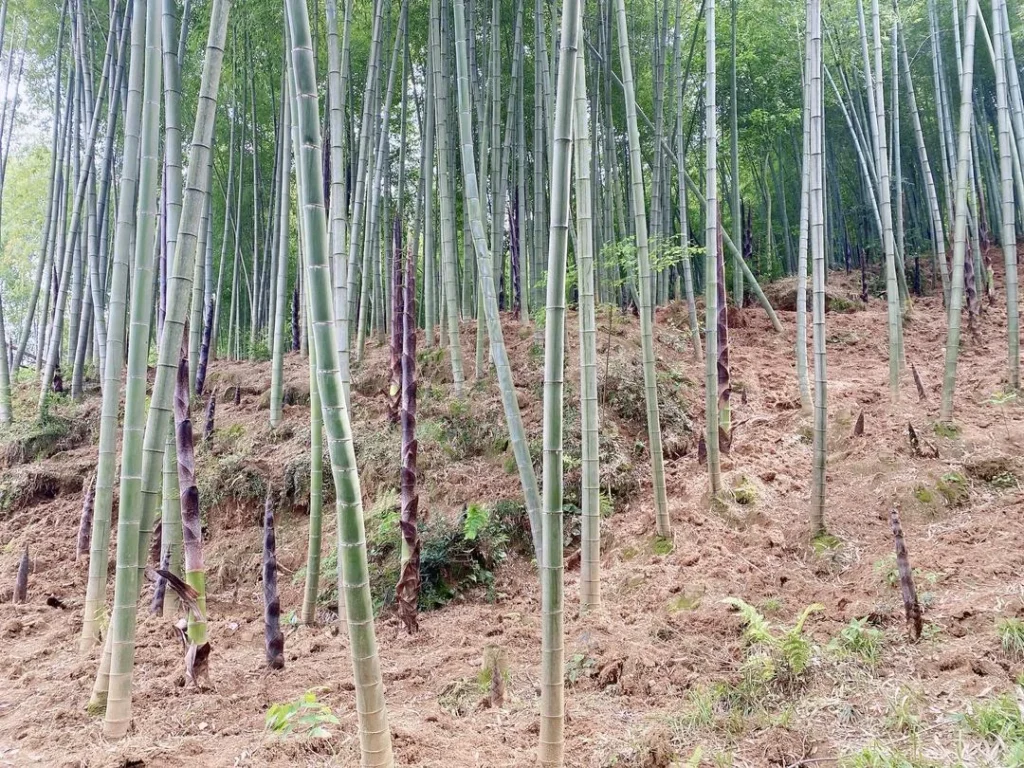
  3. Before long, they will grow into towering bamboo.
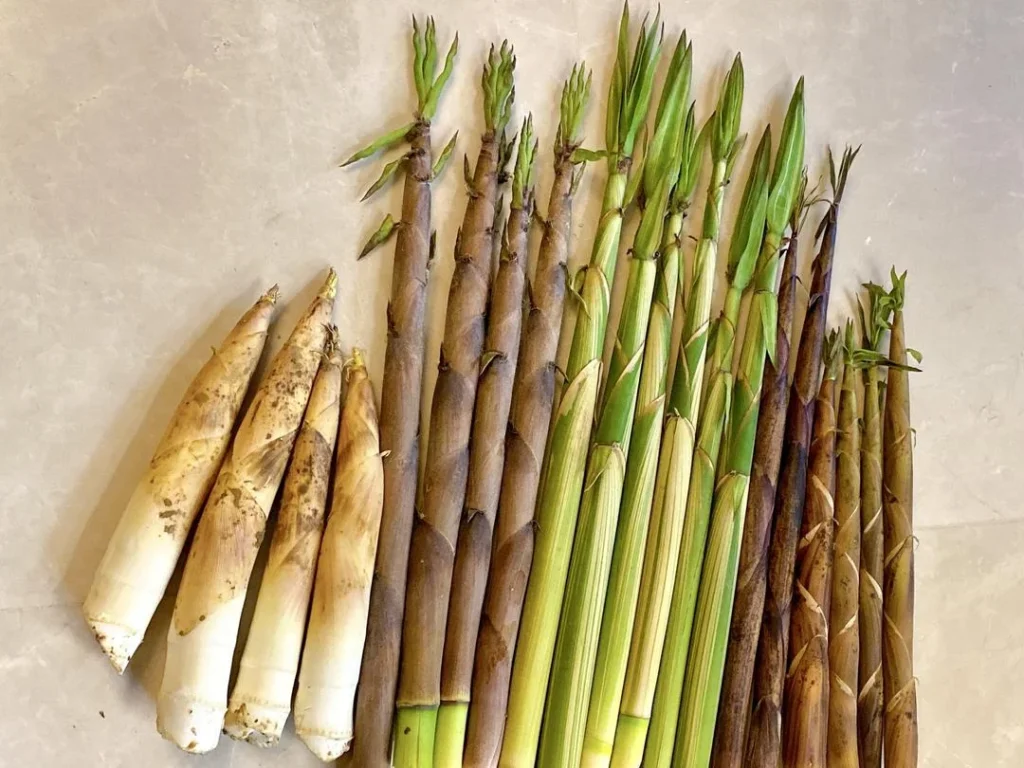
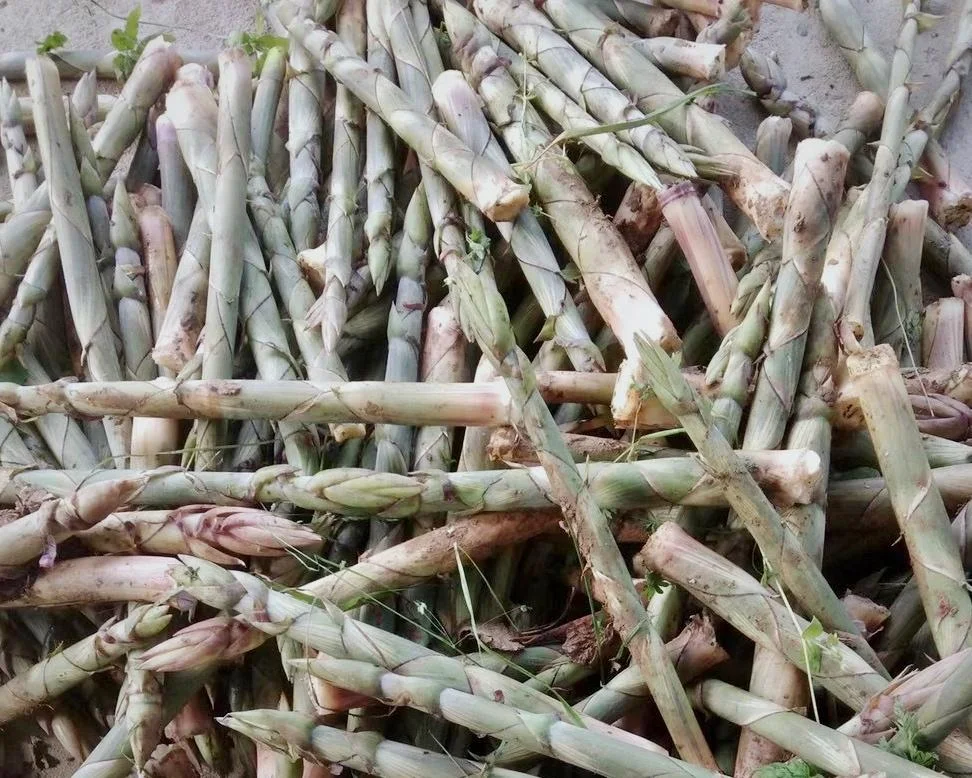
  4. There are many types of spring bamboo shoots, varying by region. Not every type is delicious — the green ones shown here are called bitter shoots, and they are indeed bitter!
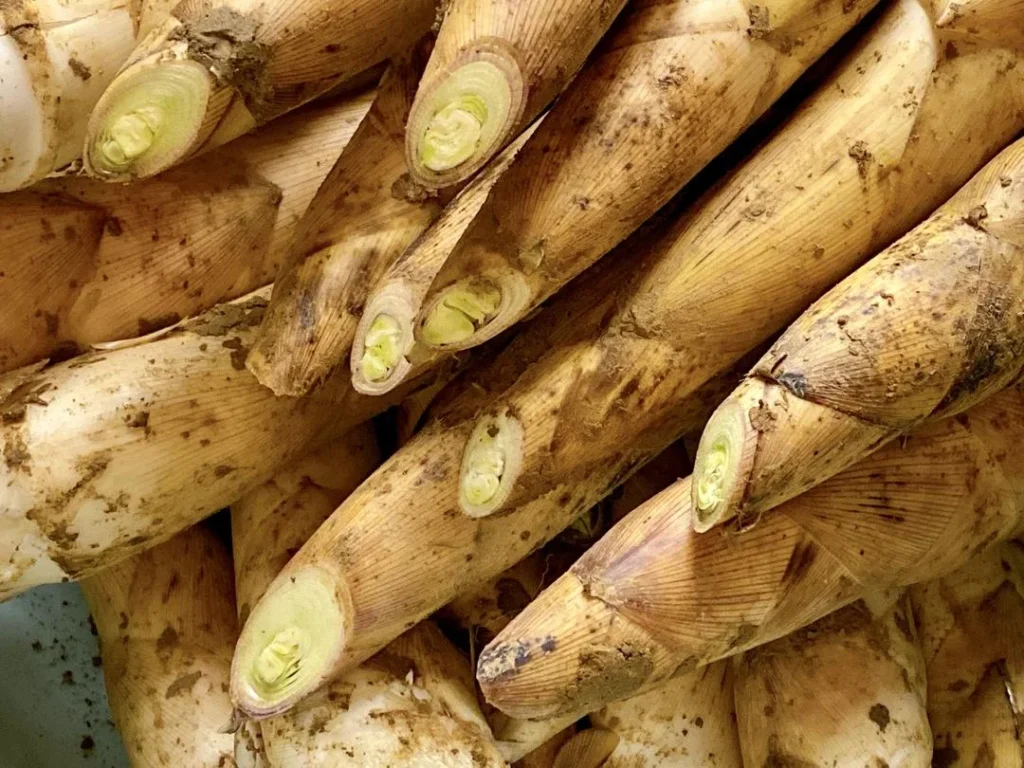
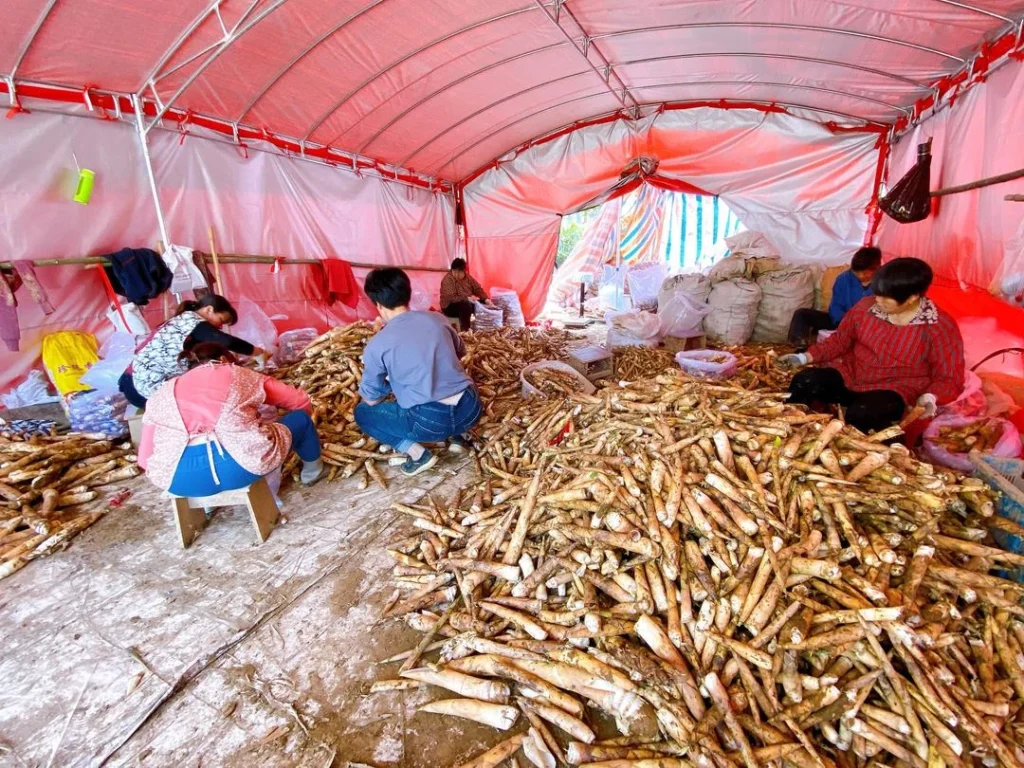
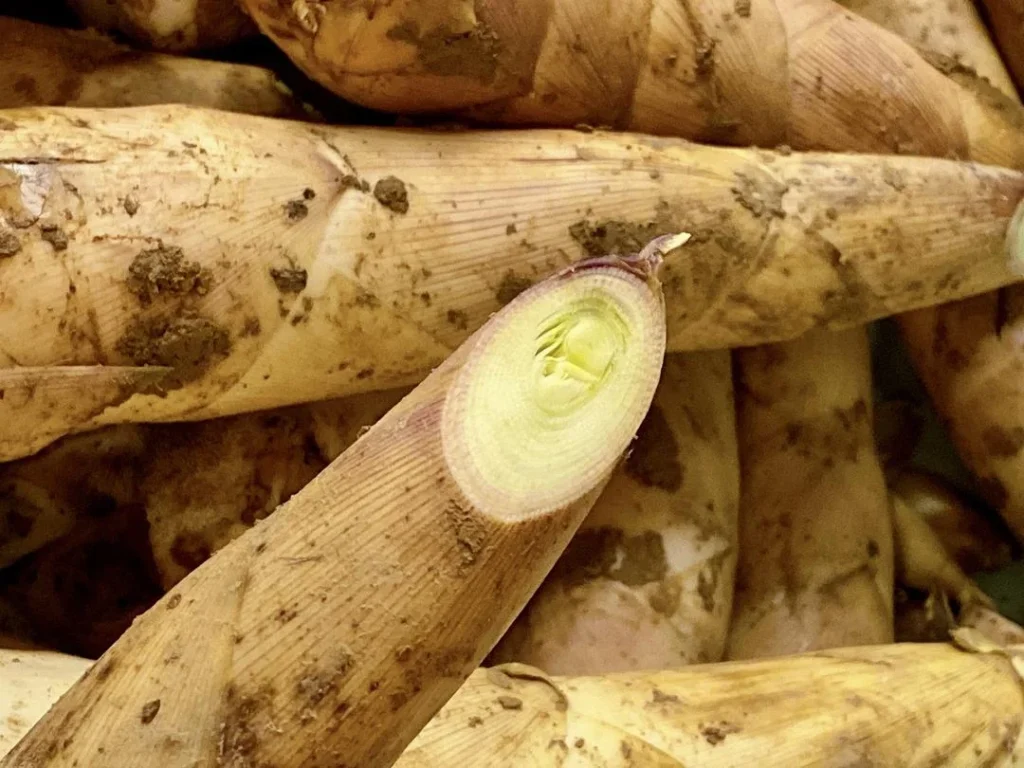
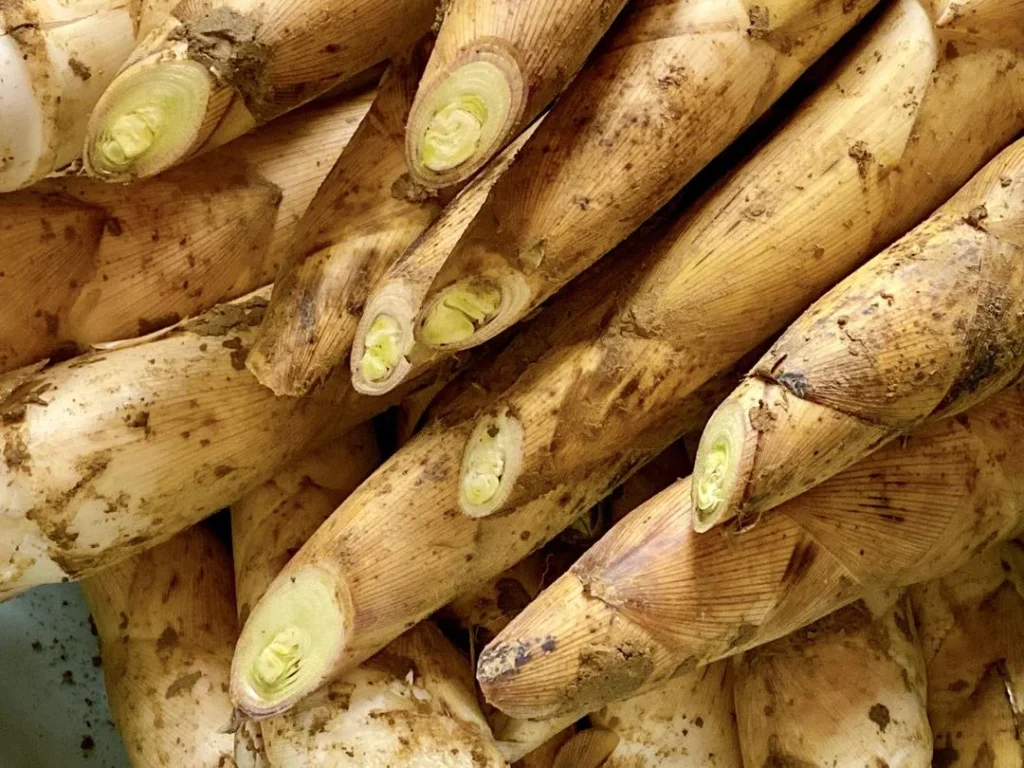
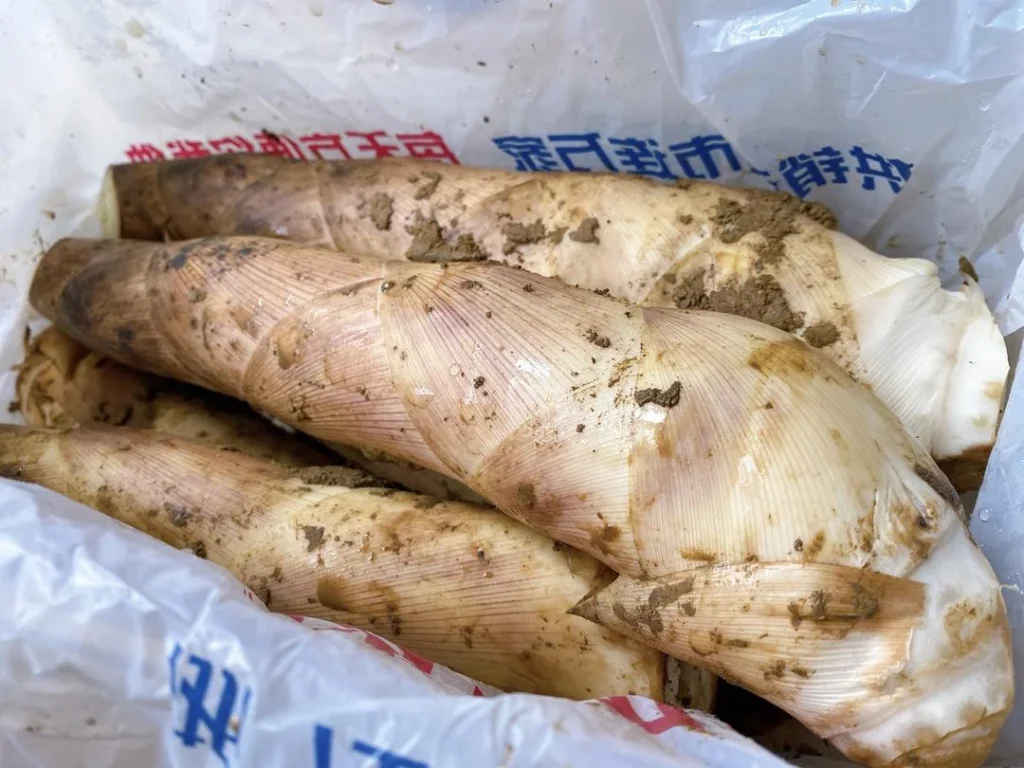
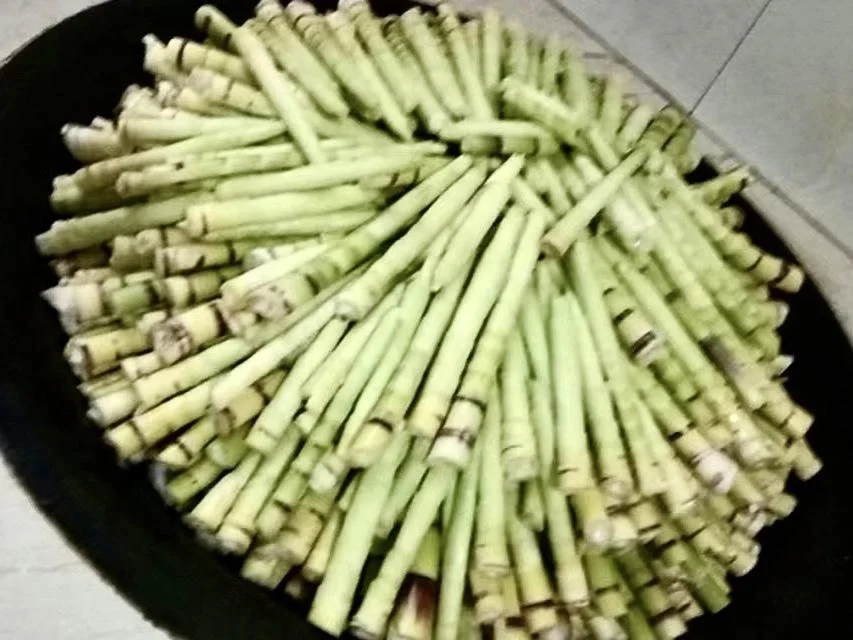
  5. This is the season when ivory shoots (xiangya sun) hit the market. Collection points like this are everywhere, and most ivory shoots in surrounding markets come from here.
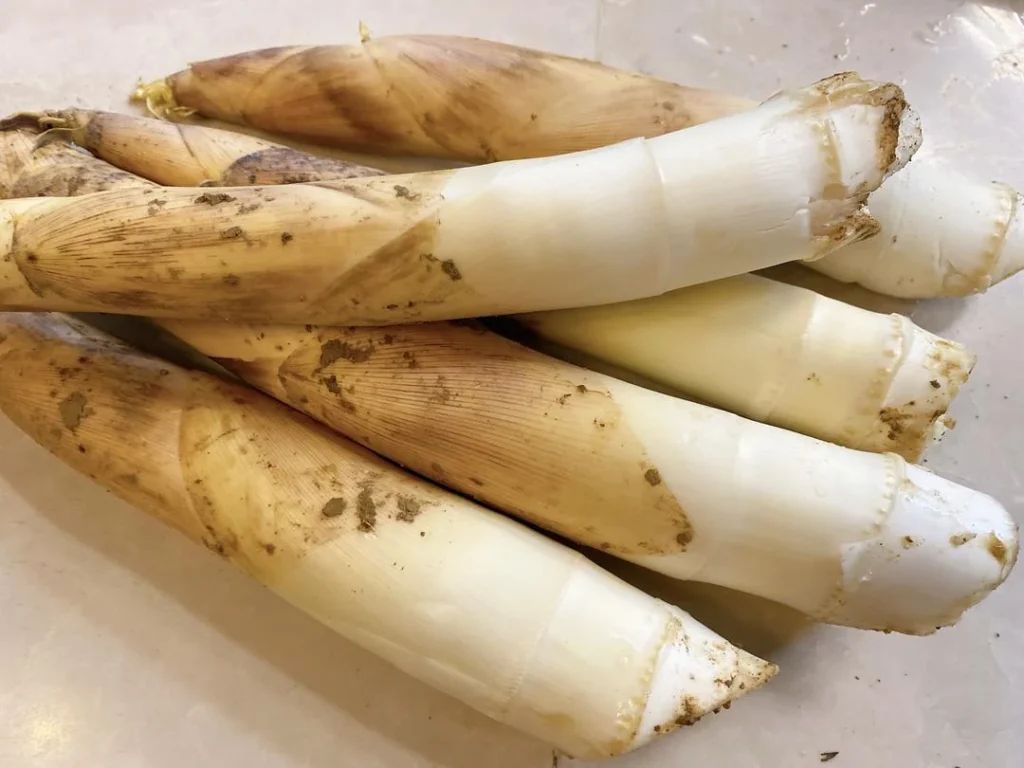
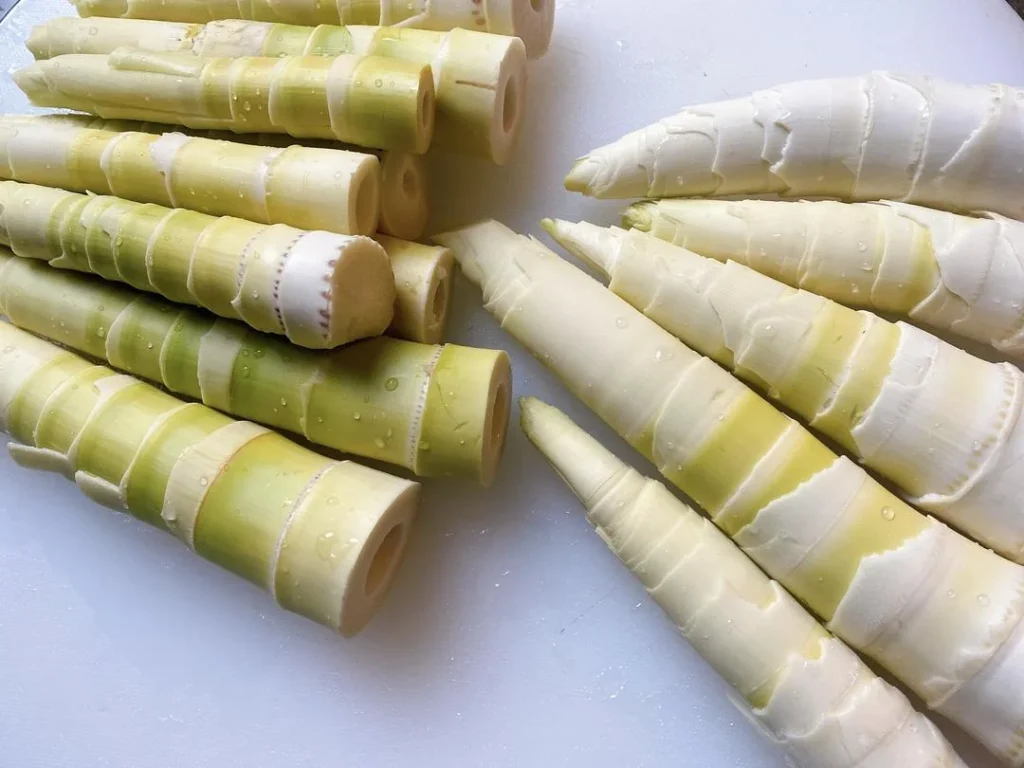
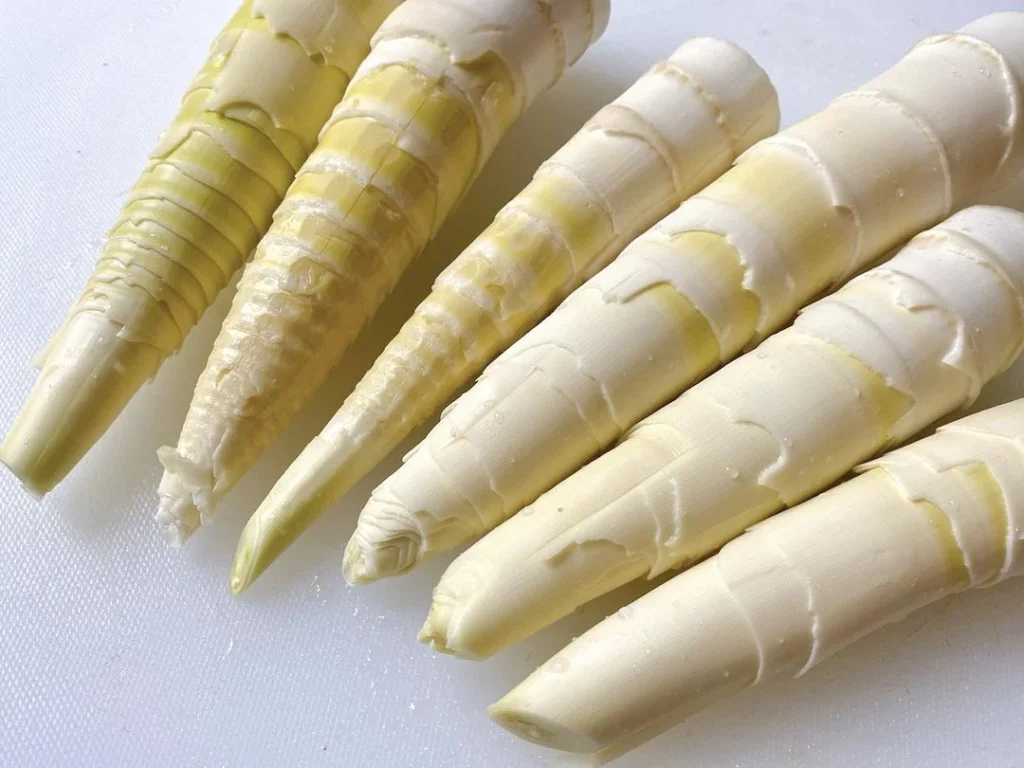
  6. Ivory shoots have the best texture among all spring shoots — plump, white, tender, crisp, and sweet.
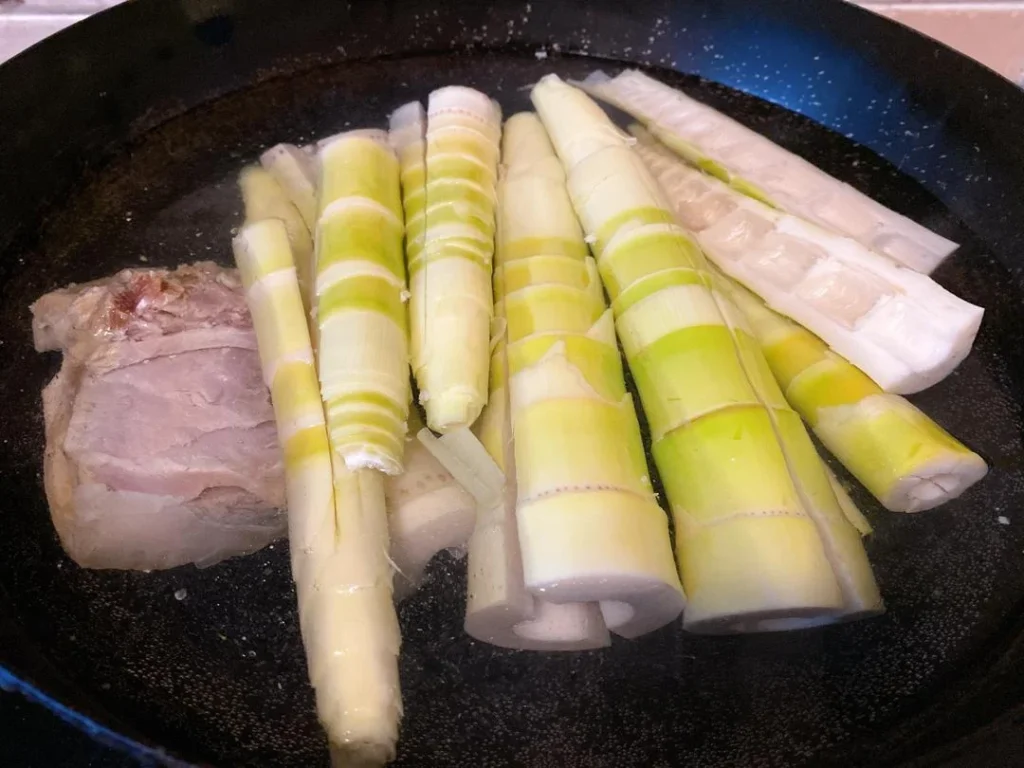
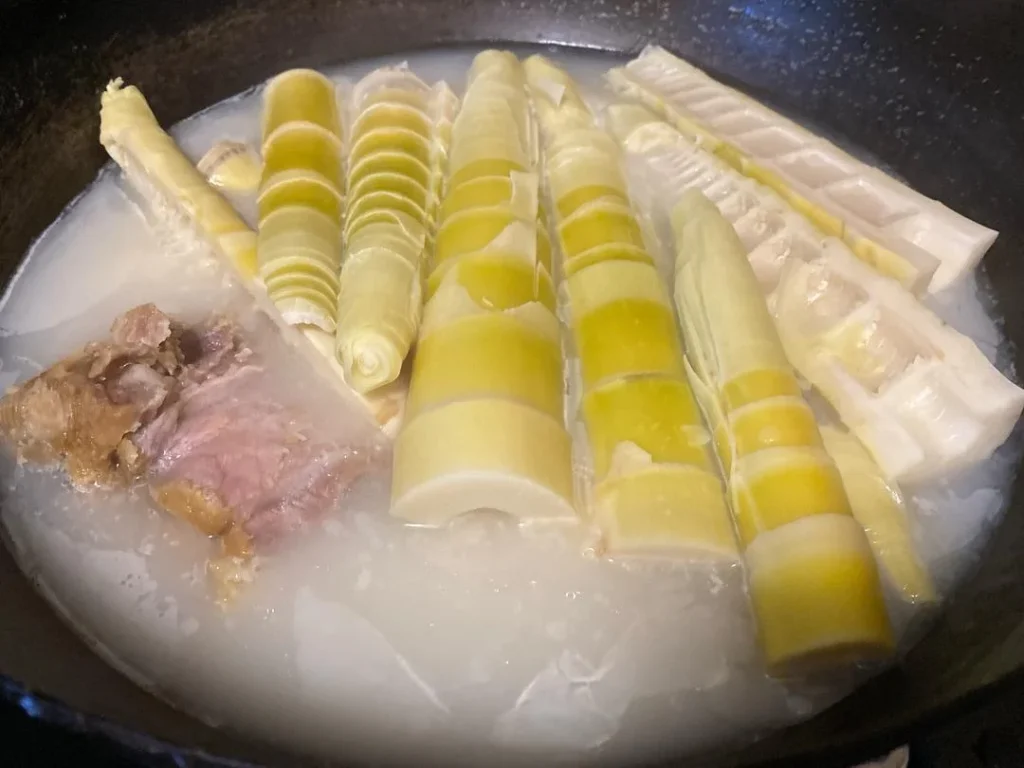
  7. Shoots change quickly at room temperature — they keep growing! These show the difference between refrigerated and room-temperature shoots after 2 days. Room-temperature shoots quickly turn yellow, green, and tough, so process them promptly!
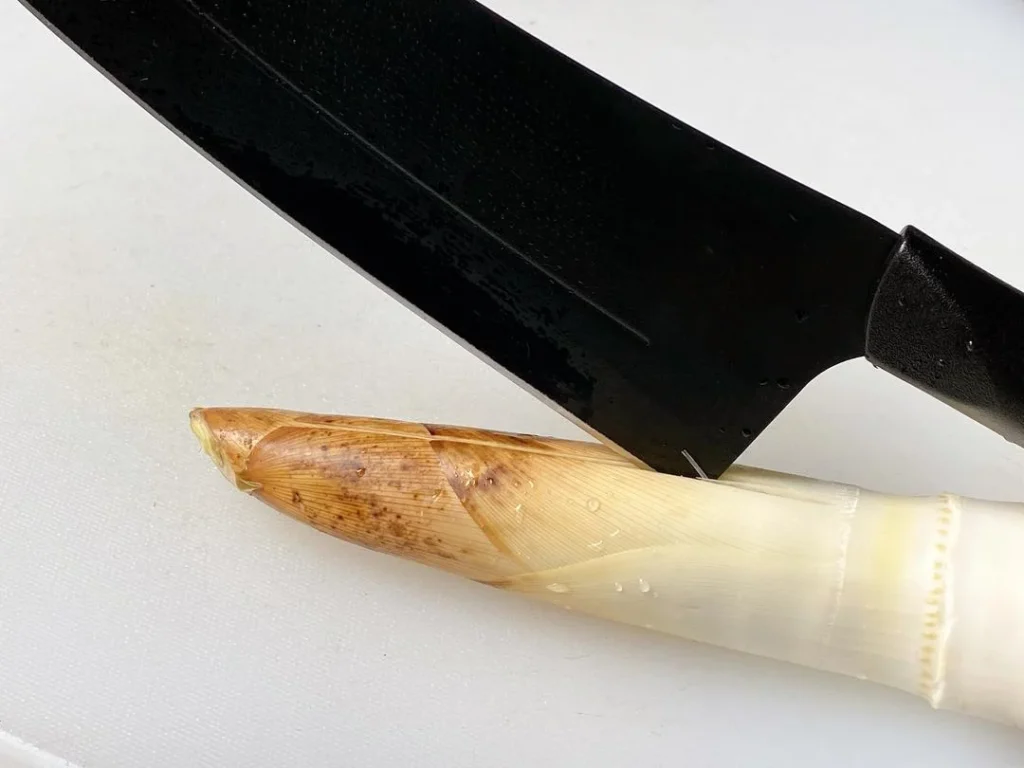
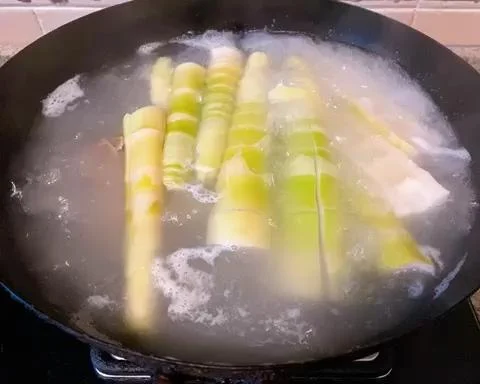
  8. Trim off the shoot tips like this.
  9. Removing the tip eliminates apical dominance, preventing the shoot from growing and toughening. When ordering shoots online, ask the seller to trim the tips — this way, even after 2-3 days of shipping, the shoots won't turn green or tough.
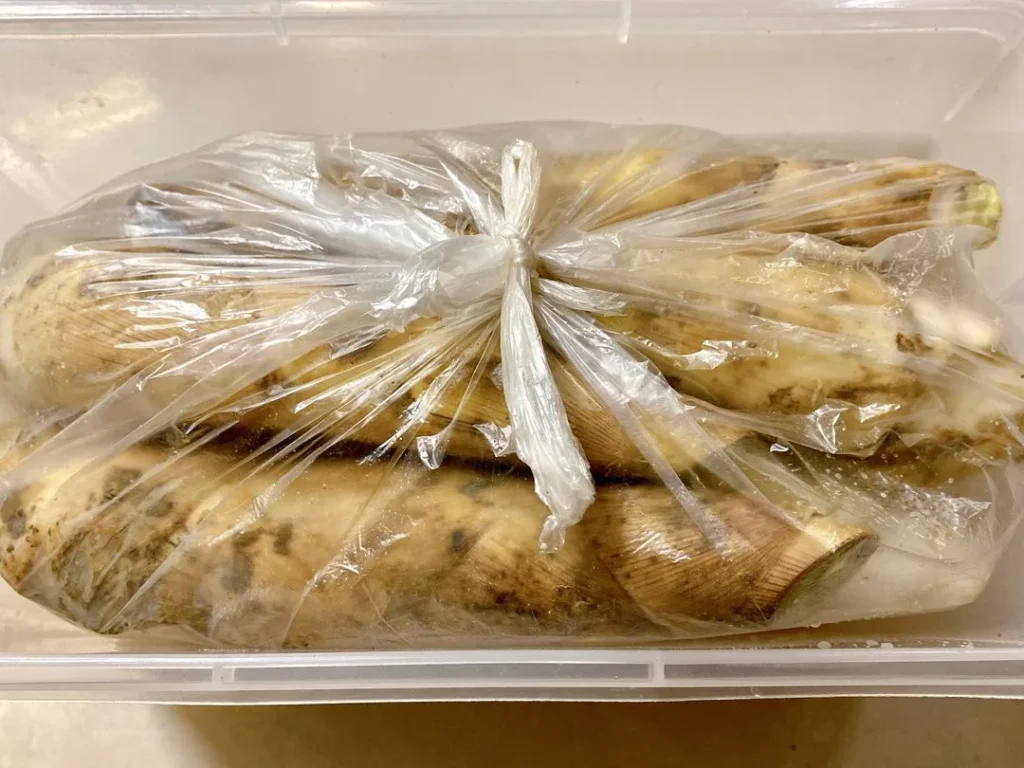
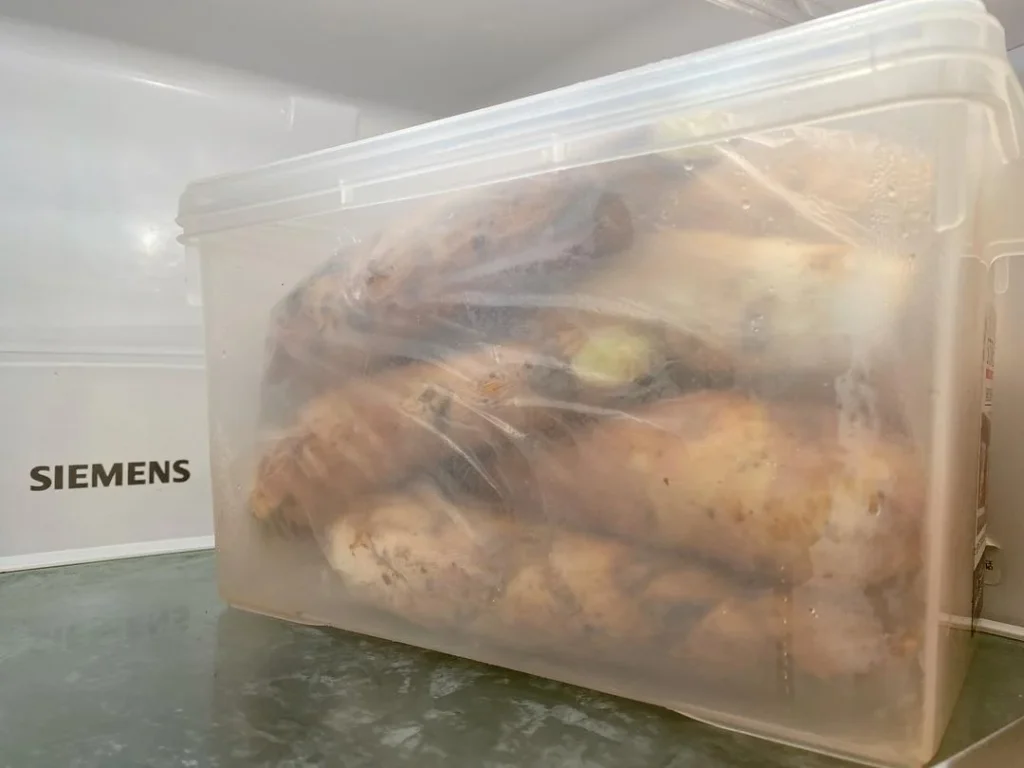
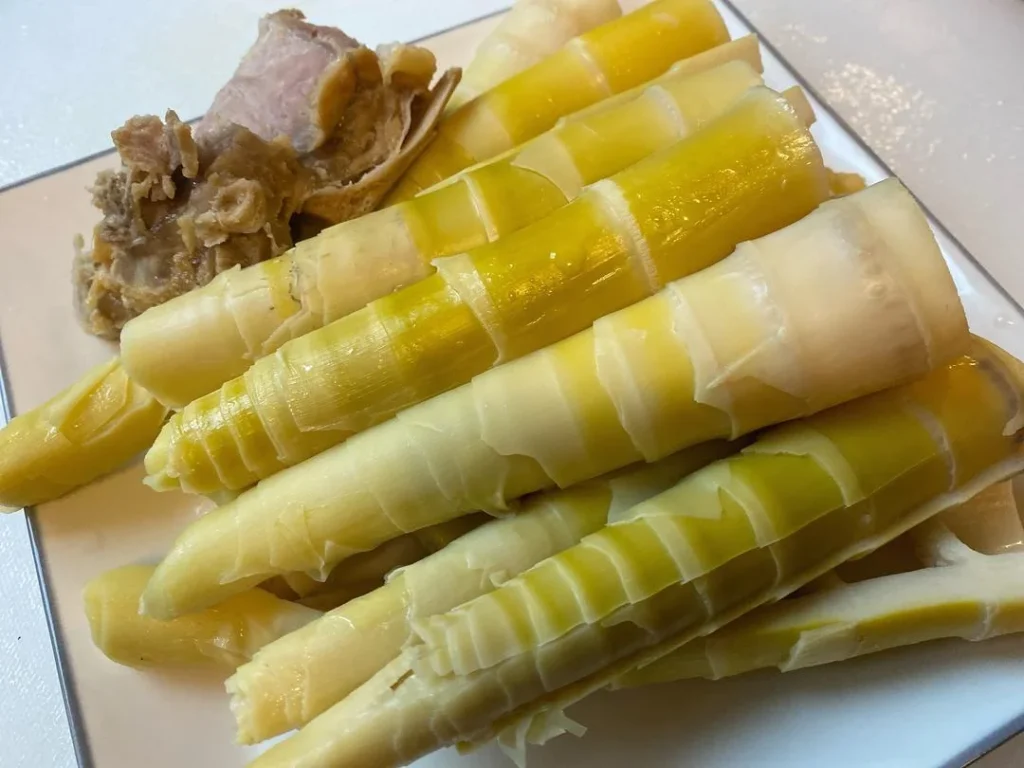
  10. Place in a sealed bag.
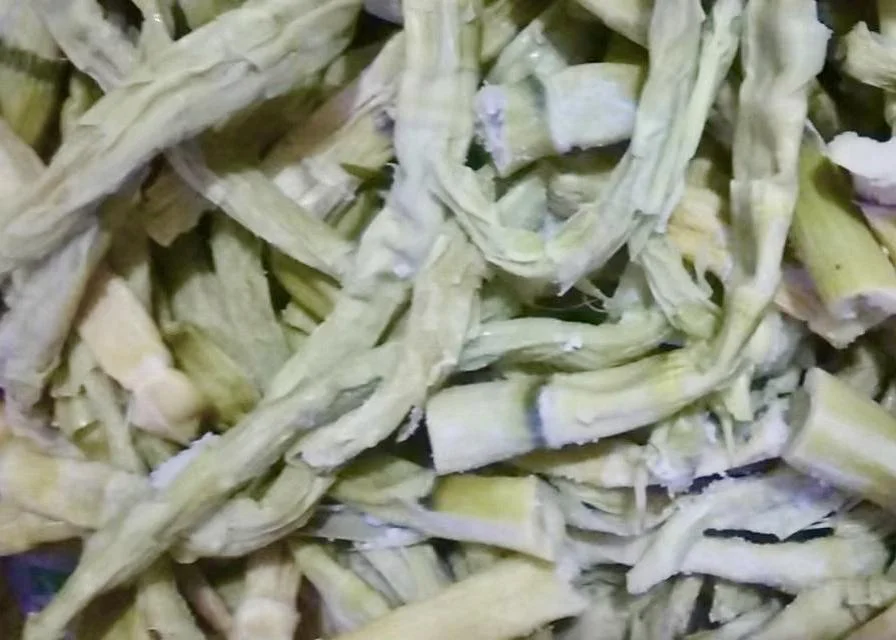
  11. They'll keep in the refrigerator for 2-3 weeks without a problem.
  12. Every week I bring shoots home, and there are always more than we can eat. These have been refrigerated for 1 week and still look fresh.
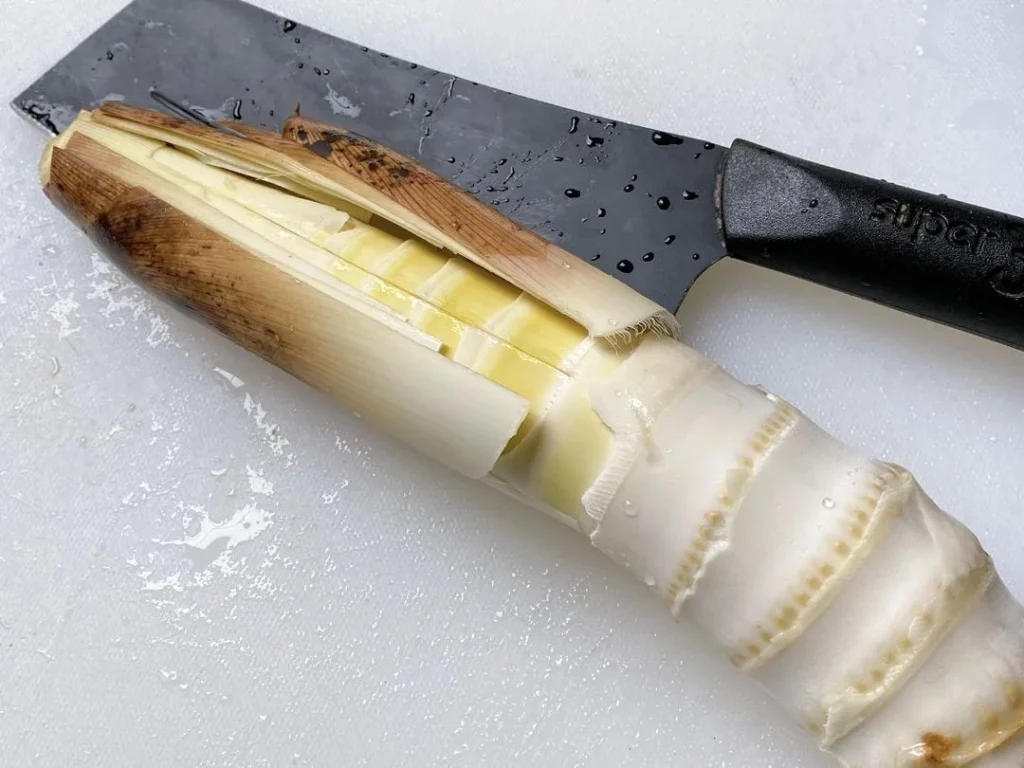
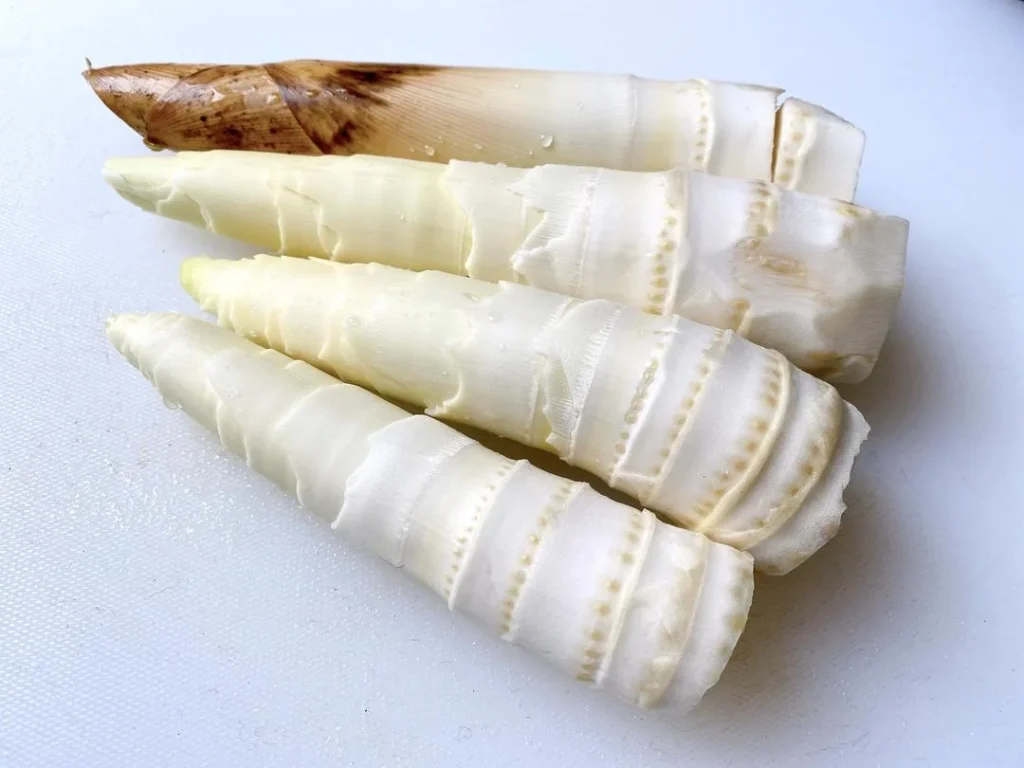
  13. Peel them open. Here's a tip for peeling: use the corner of a knife to make a lengthwise cut along the shoot — not too deep.
  14. The shell peels off easily along the cut line.
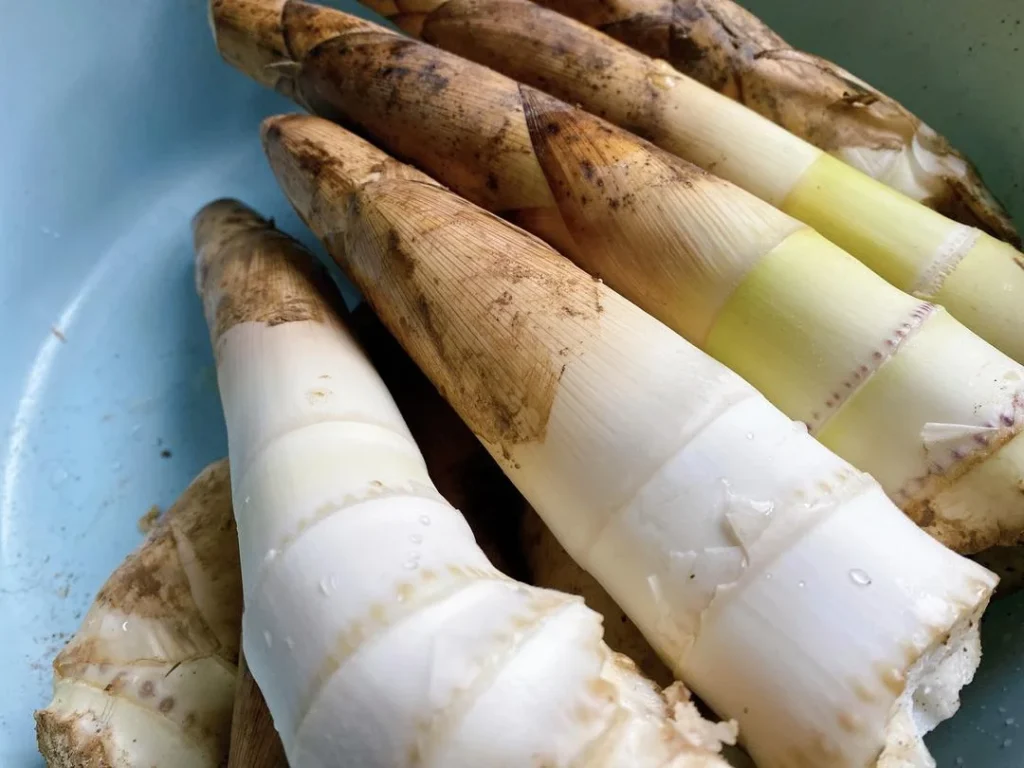
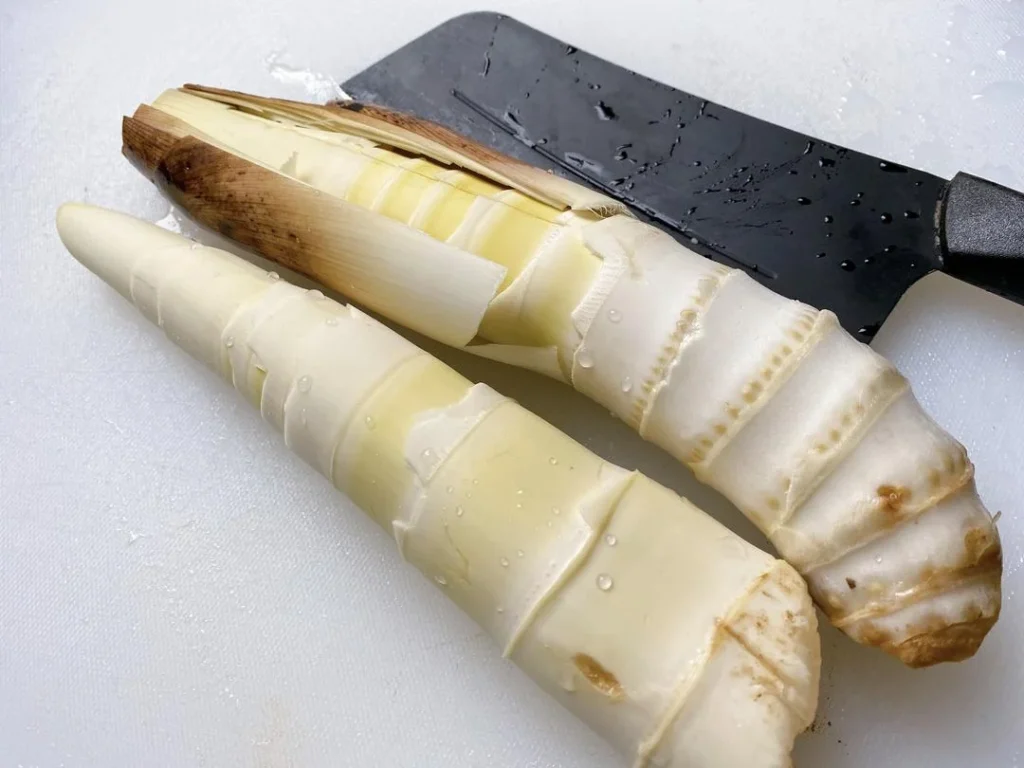
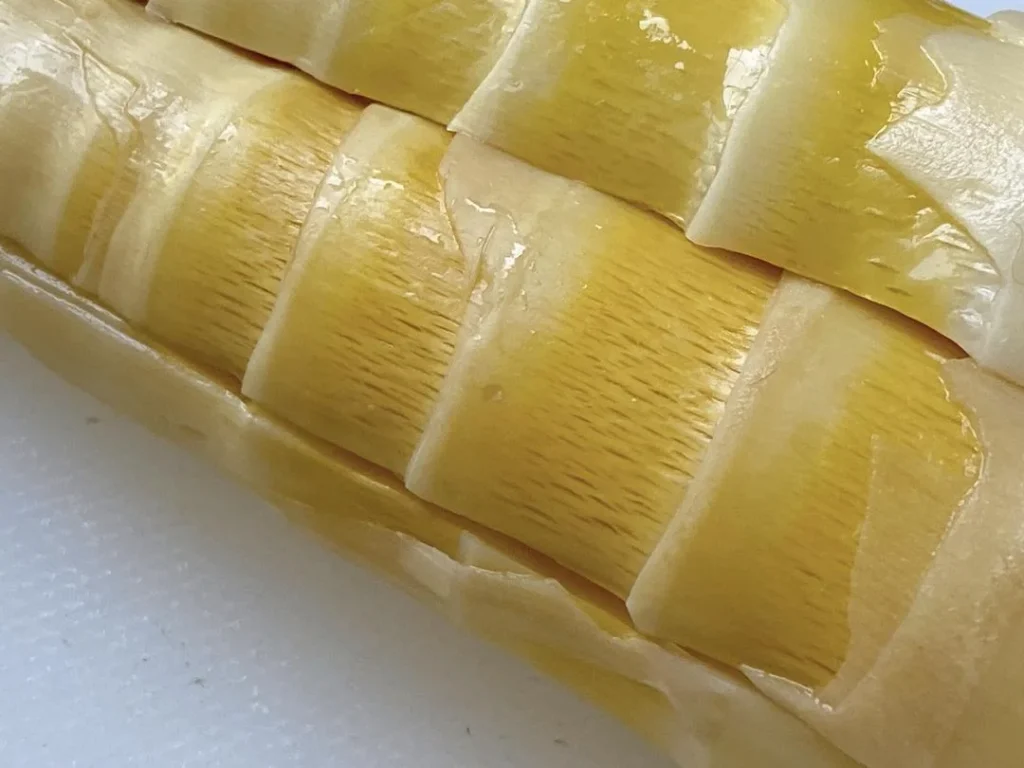
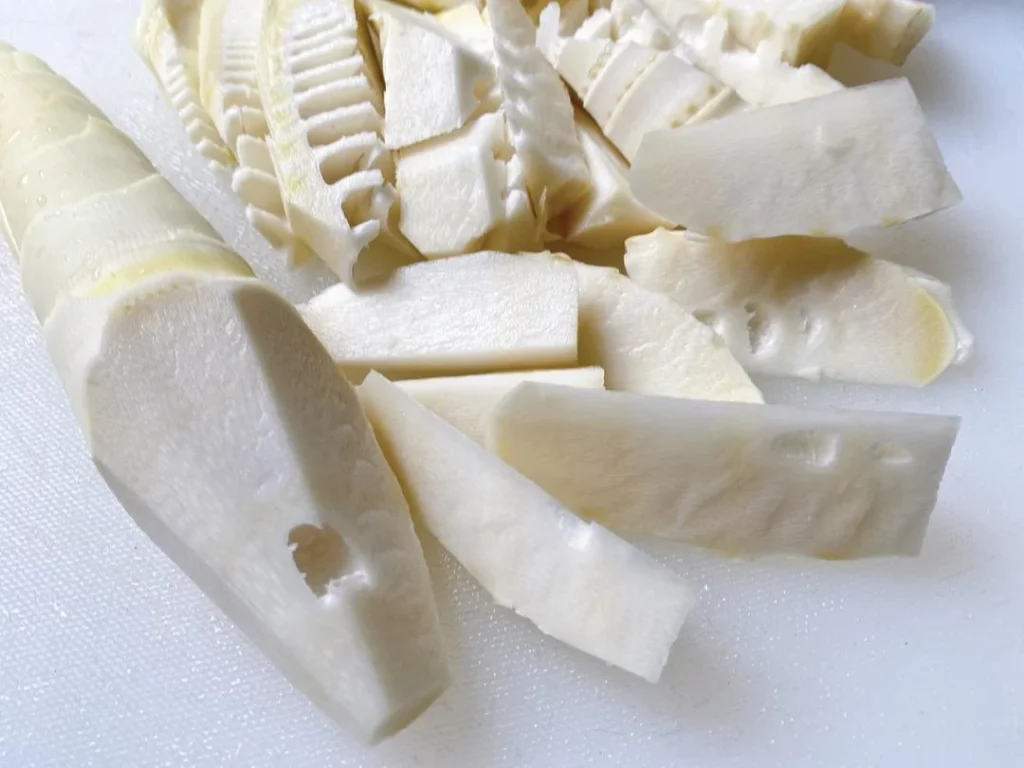
  15. Here's a comparison of fresh (left) and 1-week refrigerated (right) shoots. The refrigerated one is slightly more yellow, but the difference is minimal.
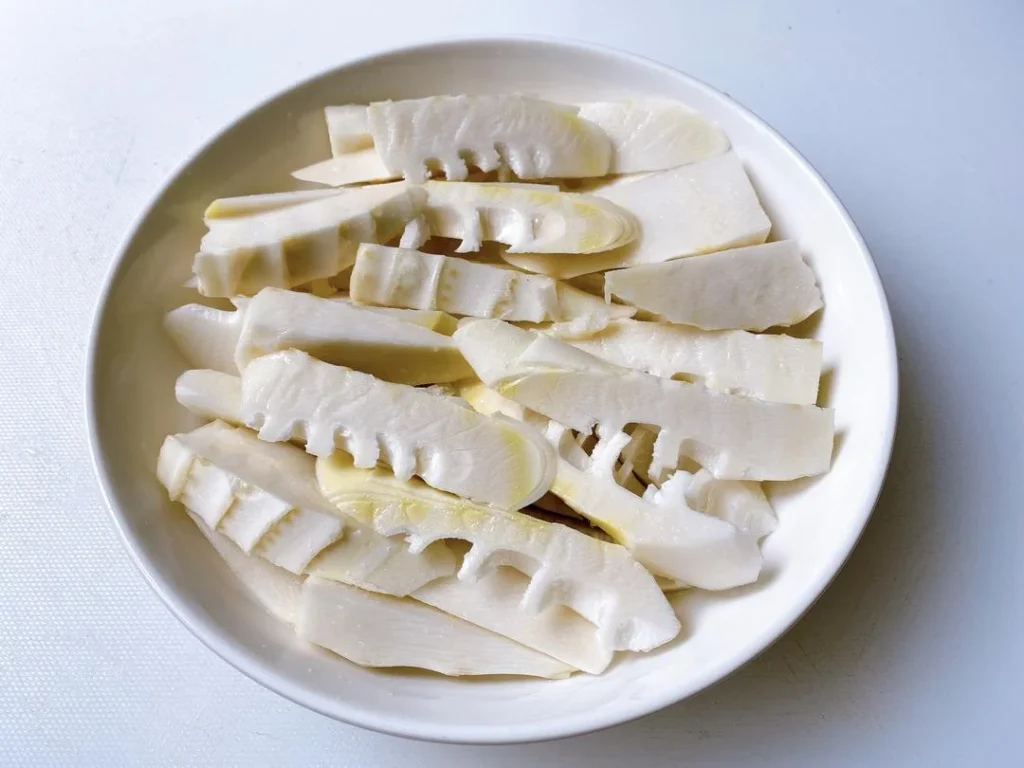
  16. Same batch of shoots: the tip-trimmed refrigerated one versus the untrimmed room-temperature one — completely different in tenderness.
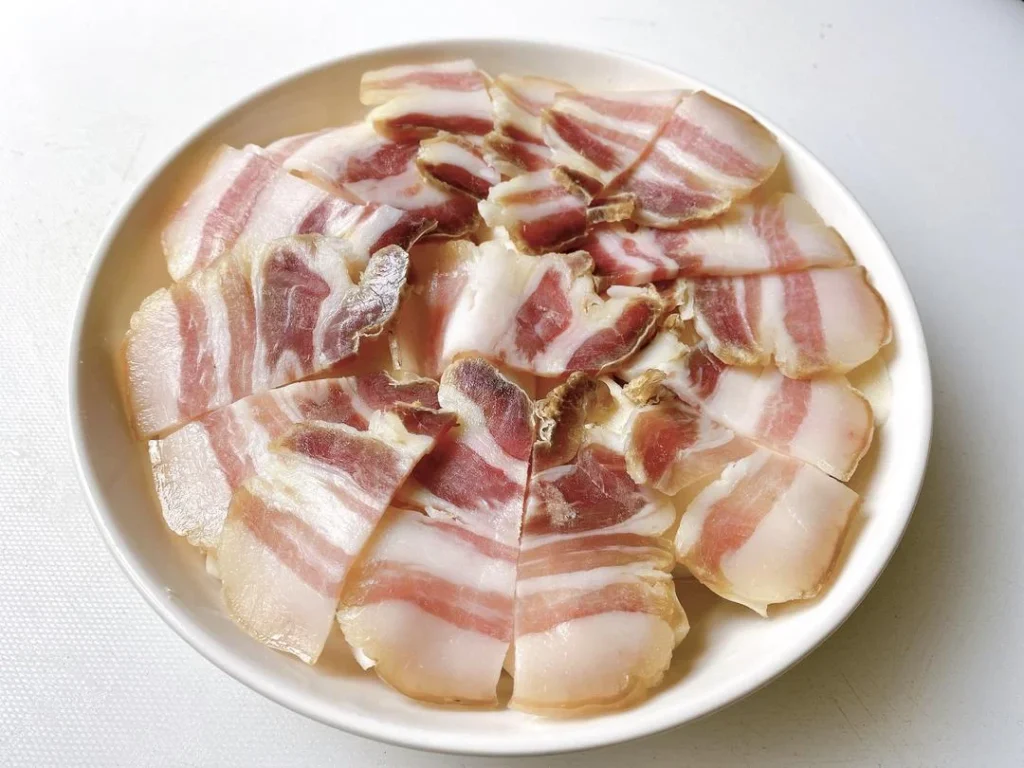
  17. Shoots like this must be blanched. Their texture has also deteriorated. Split them in half lengthwise.
  18. Start in cold water. If you have cured pork bones or cured meat, add a piece — the blanched shoots will taste much better.
  19. Blanching the shoots.
  20. After 30 minutes of blanching, the water has turned noticeably white thanks to the cured pork bones. Shoots blanched this way have virtually no astringency.
  21. Remove and drain, let cool at room temperature (no need to rinse with cold water). This is effectively a pasteurization step. Store in sealed bags in the refrigerator for 3-4 days, then use directly for stir-frying or as an ingredient. Warning: Do NOT freeze — frozen shoots lose their appeal!
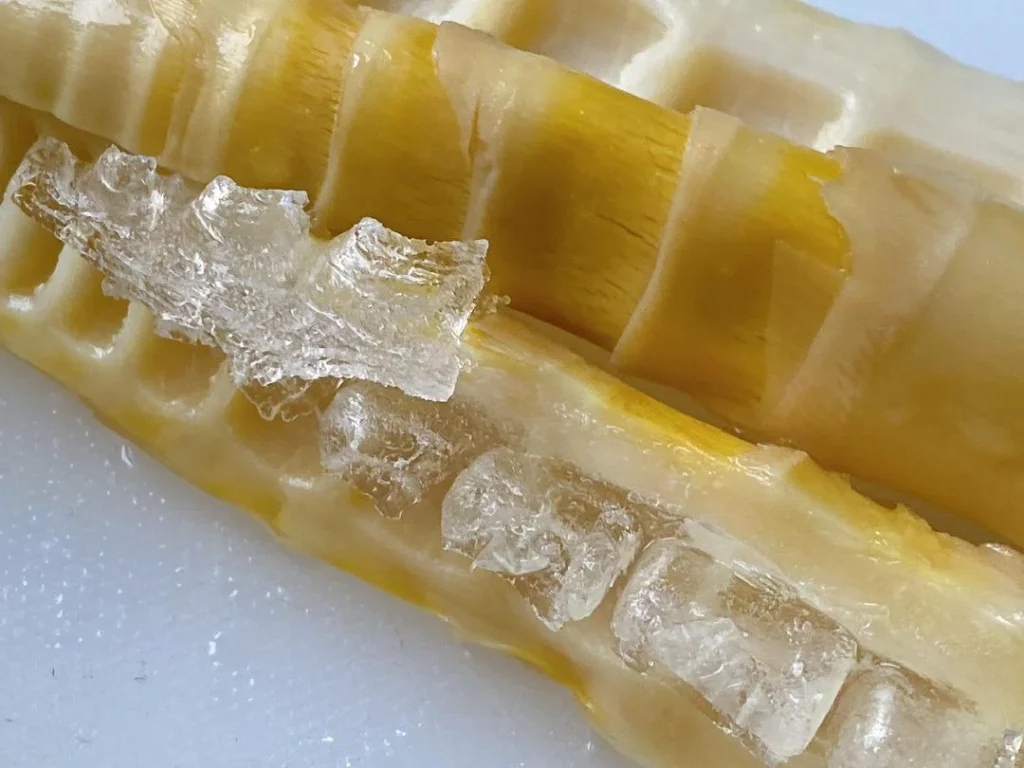
  22. See what frozen shoots look like: after thawing, the tissue is destroyed, giving a spongy texture!
  23. Frozen shoots release a lot of water. They lose their crispness and become mushy and tasteless — not good at all!
  24. A northern colleague visited and specifically requested steamed shoots with cured pork. Notice the difference in peeling: the northern colleague scraped off every bit of the inner layers, not knowing that the tip with its inner layers is actually the most tender and delicious part!
  25. Fresh ivory shoots buried underground are white. These don't need blanching and can be directly steamed, stir-fried, or boiled. When selecting shoots at the market, choose ones with white bases — the whiter, the more tender.
  26. Cut the shoots into roll-cut pieces. These shoots have thick, meaty flesh with an especially crisp texture.
  27. Place the shoots in a bowl, sprinkle with a little salt (not too much, since the cured pork on top is salty), drizzle with cooking wine, and add a bit of water so the steamed shoots won't be too dry.
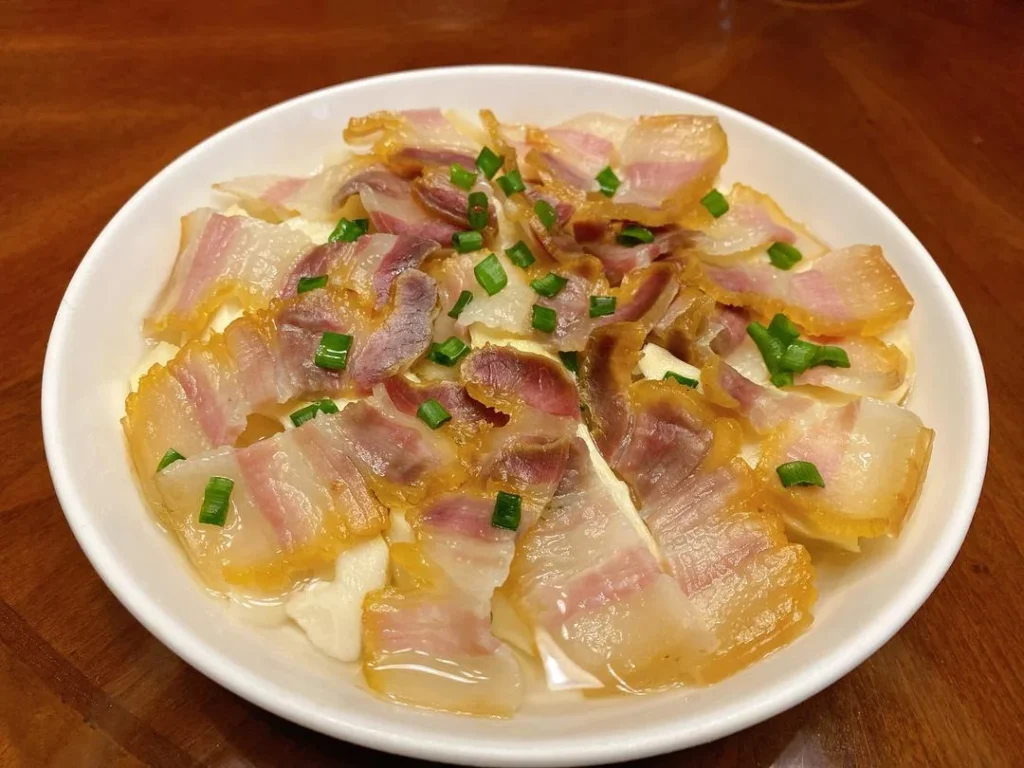
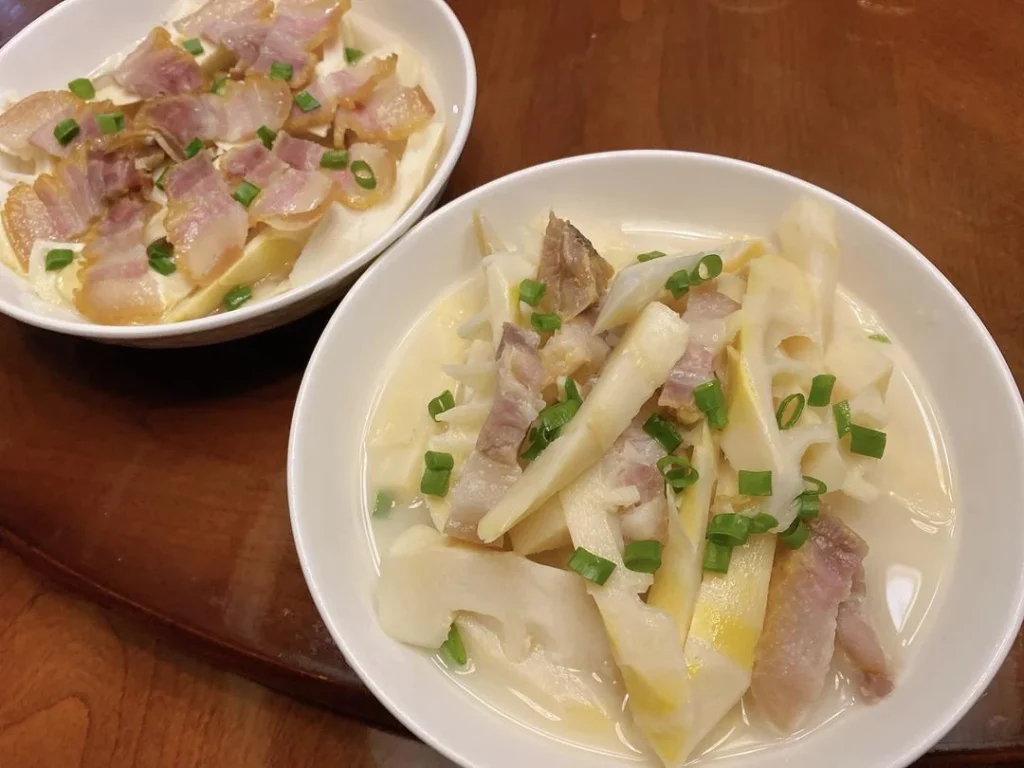
  28. The steamed shoots with cured pork that our northern friend requested. Slice the cured pork very thin — thick slices will be too salty! Lay the slices over the shoots and steam.
  29. I also recommended braised shoots with cured pork to our northern friend — that's delicious too.
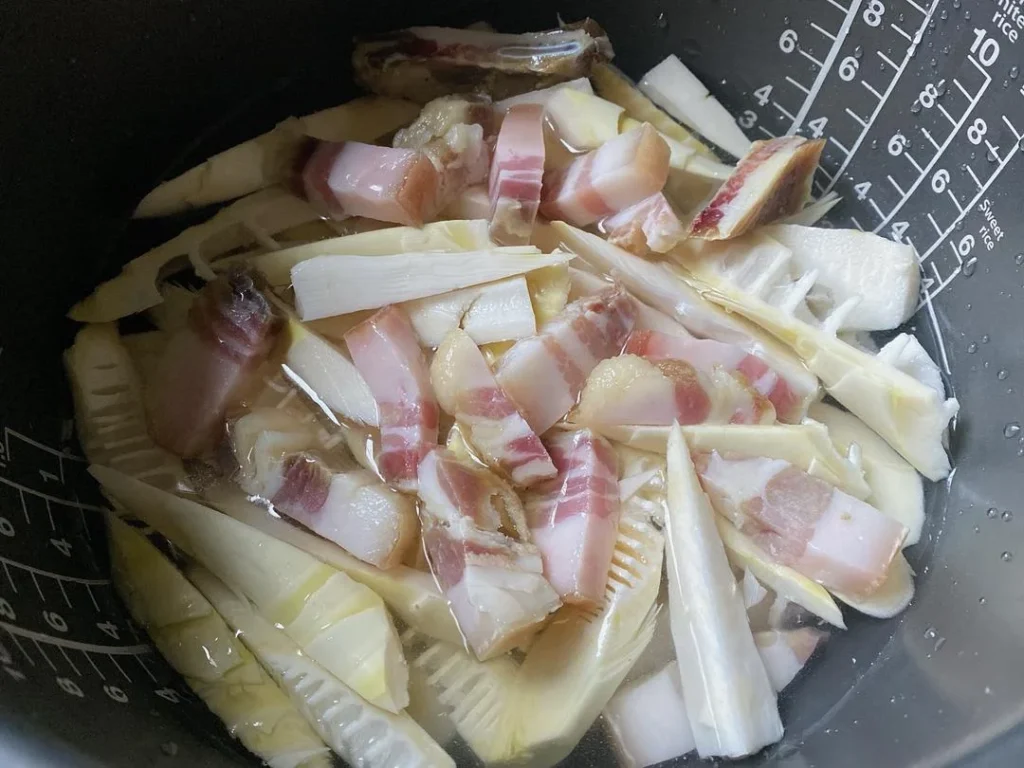
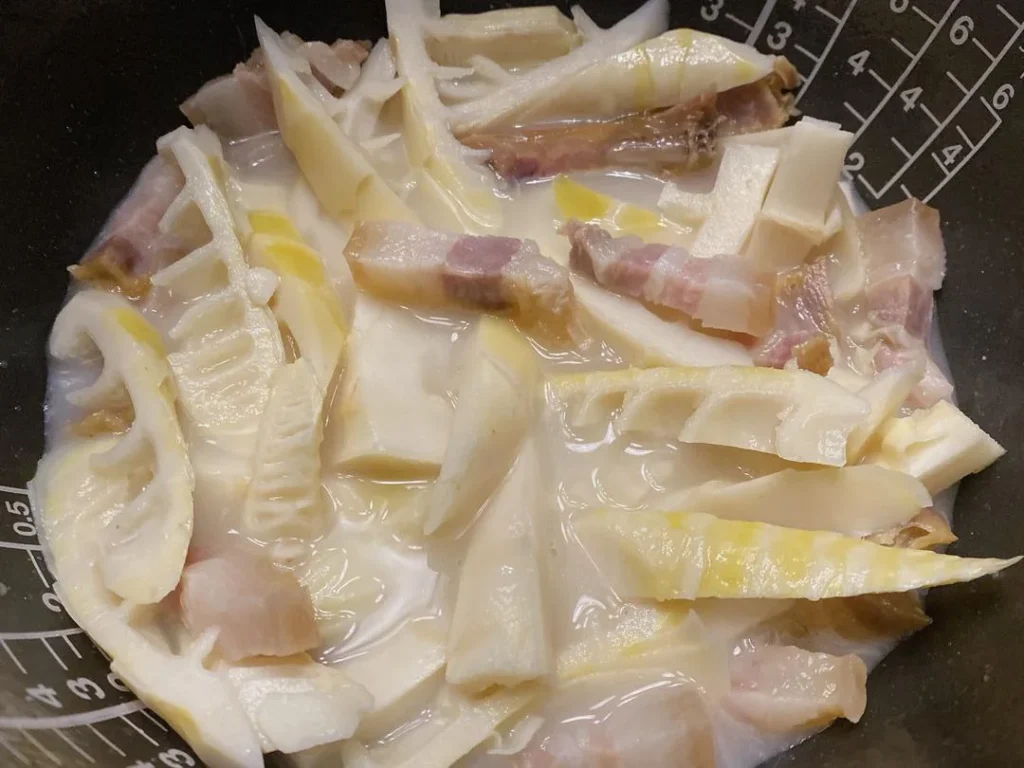
  30. Using the rice cooker to braise below and steam above — making two dishes at once.
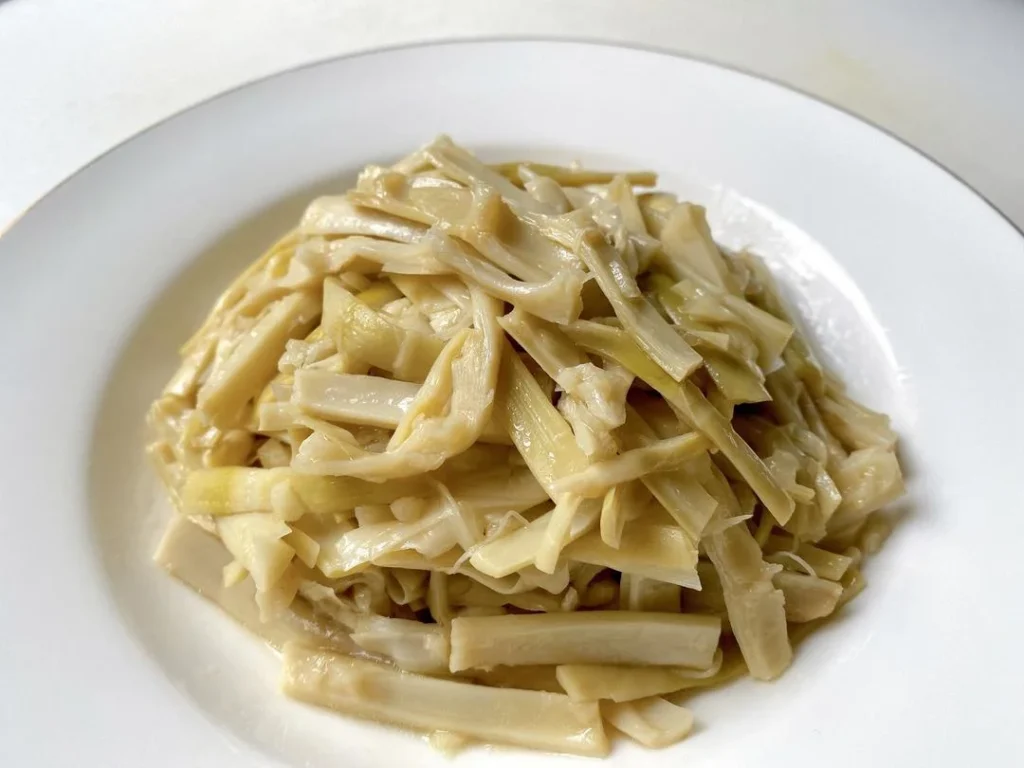
  31. Sprinkle with chopped scallions when serving.
  32. Both preparations are on the table and both are delicious, with slightly different textures. The steamed version is closer to the original flavor with a hint of sweetness, while the braised version is a bit more tender.
  33. Here's what our northern friend had to say.
  34. Important: Steaming and light braising require very fresh shoots! Less fresh shoots will have an astringent taste when steamed or braised. Don't blame the recipe if that happens!
  35. These are wild shoots from the mountain, known as jie sun (joint shoots).
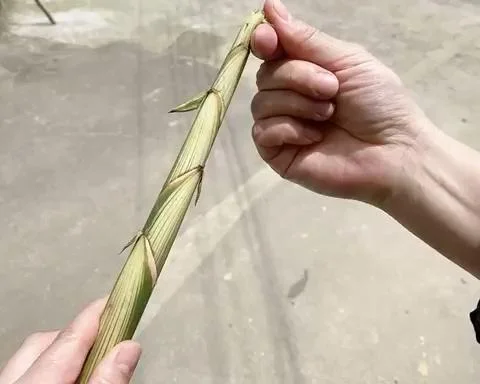
  36. Peeling shoots is tedious work, but many hands make light work. Trim the tips, peel back the layers at the tip, and roll your finger to strip them off.
  37. The finger-roll peeling technique (demonstrated with a different shoot).
  38. Blanch the shoots and semi-dry them in the sun, then salt-cure them (similar to Tianmu Mountain dried shoots).
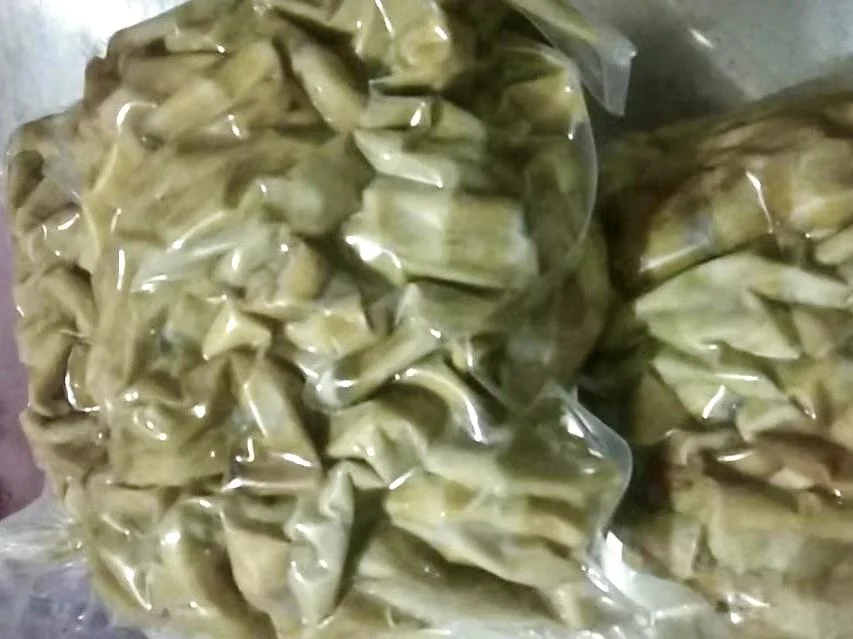
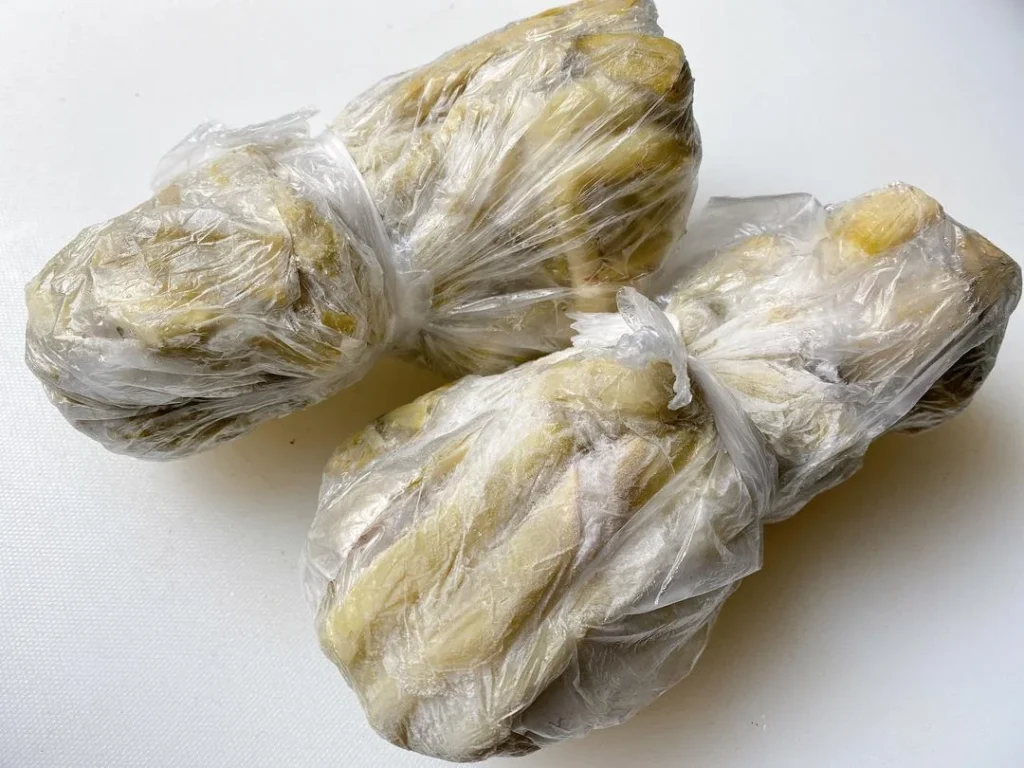
  39. Vacuum-seal if possible, otherwise use sealed bags or pack tightly in jars (like pickled vegetables). For short-term storage, refrigerate; for long-term, freeze. Only these cured dried shoots can be frozen without significant texture change — likely due to their dense tissue and low water content.
  40. These are shoots frozen from last year — they keep for a year without problems.
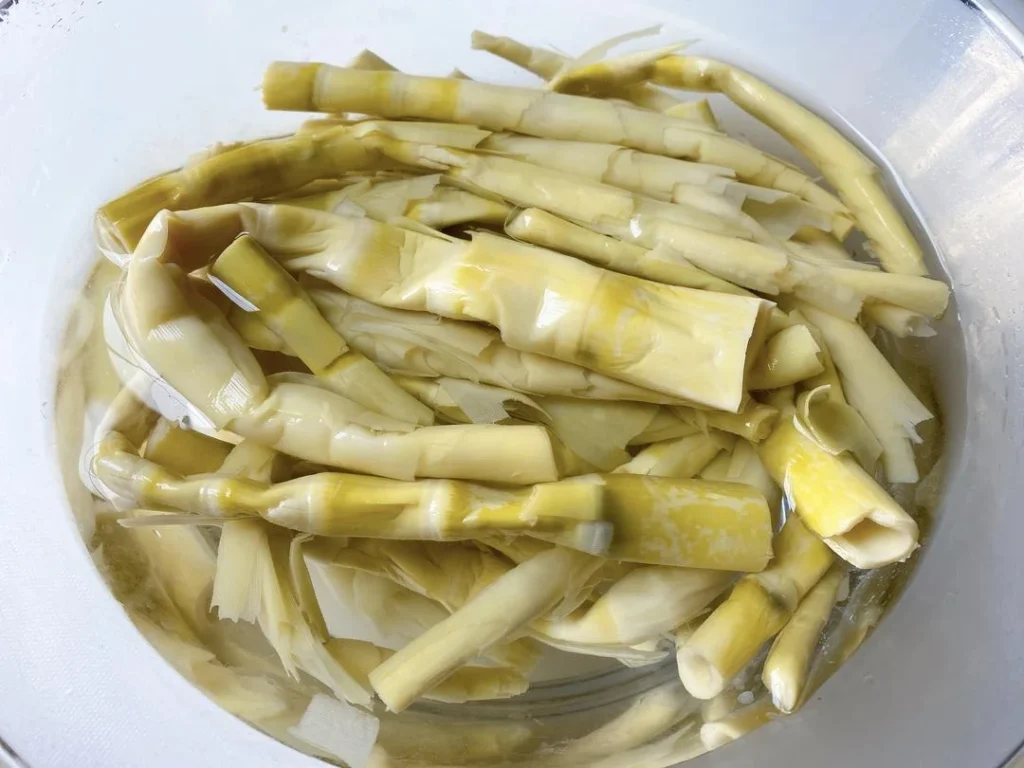
  41. Soak in water for 1-2 days, changing the water frequently to rehydrate and desalinate the shoots.
  42. I often use these shoots for cold salads.
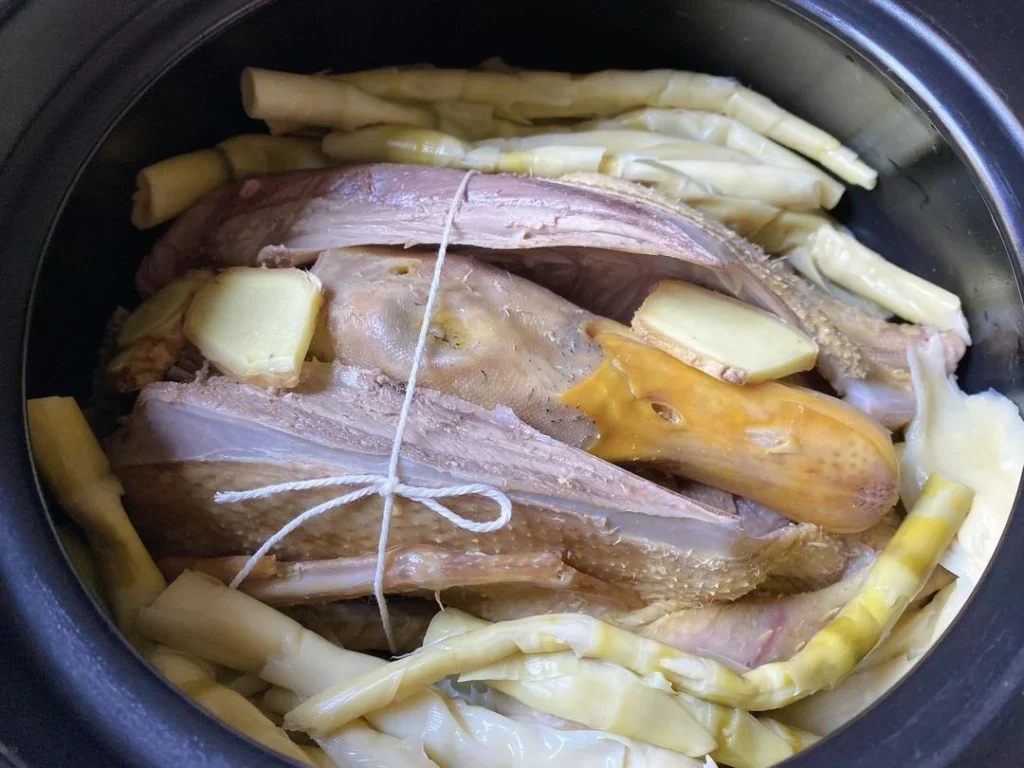
  43. Braise dried shoots with an old duck for a classic old duck and dried shoot stew.
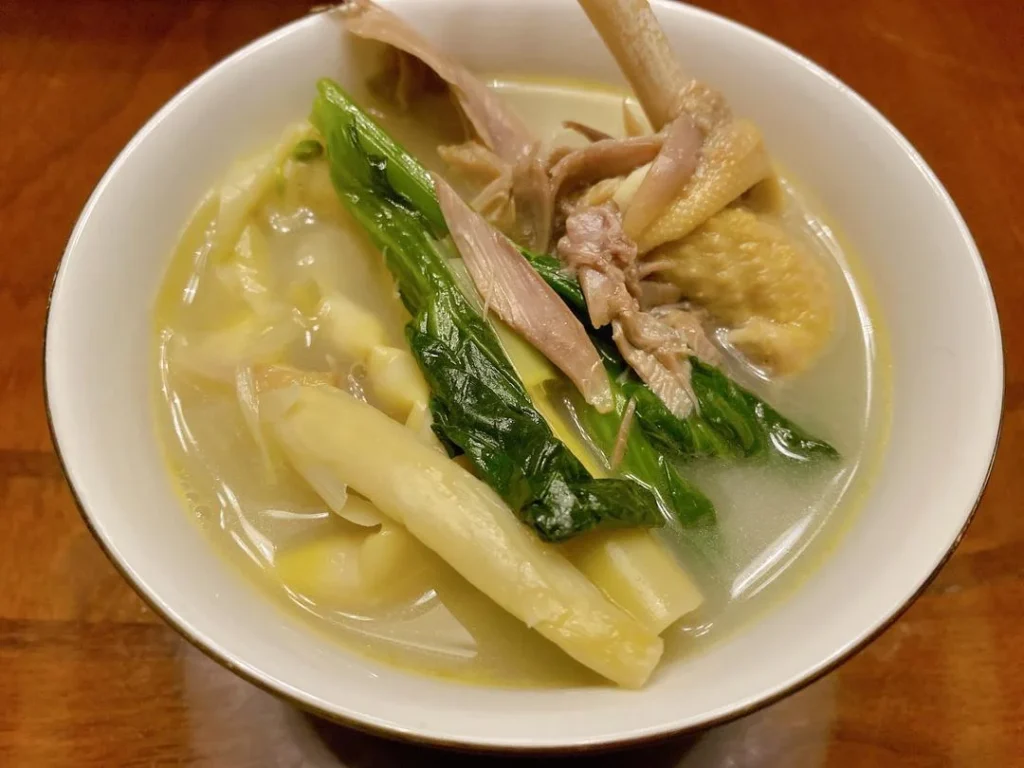
  44. Dried shoots and old duck — the shoots soaked in rich duck broth are delicious, and they retain a crisp, tender, and refreshing texture. There are many ways to cook bamboo shoots, and that concludes this guide on storage and cooking methods.
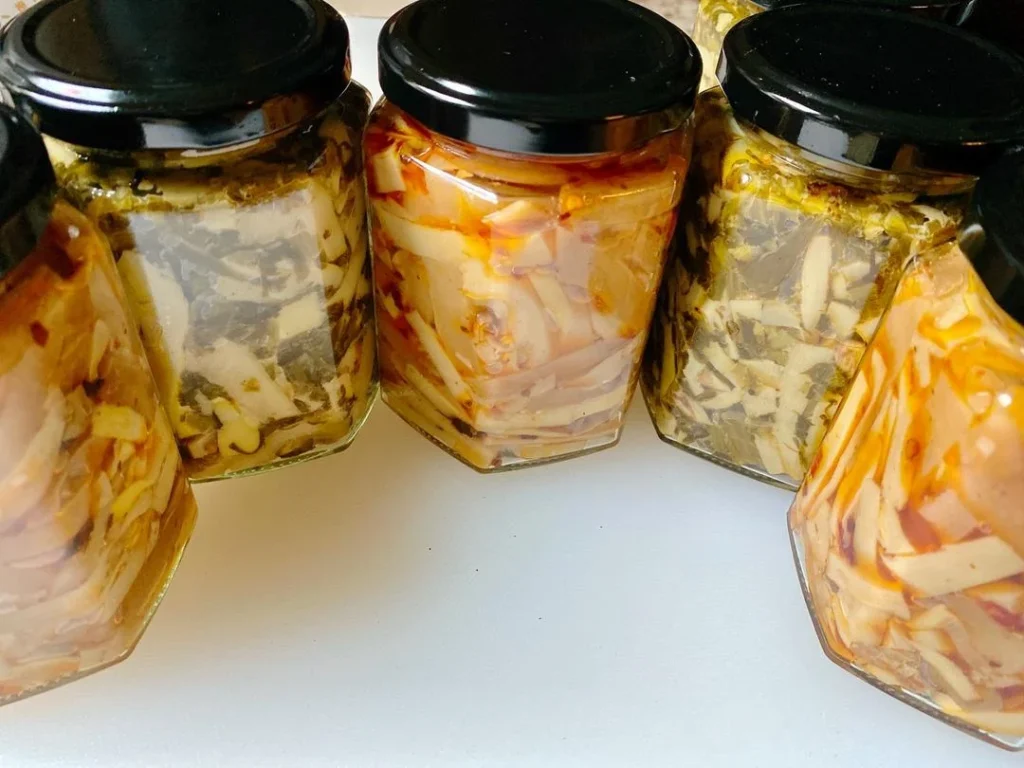
  45. Bonus: Another preservation and cooking method. Have extra fresh shoots? Try making canned shoots — ready to eat straight from the jar, great with rice, noodles, fried rice, or stir-fries. Highly rated by friends and family. (See the pickled shredded shoots and canned recipe at www.xiachufang.com/recipe/106771440/)

Cooking StepsHow to cook Spring Bamboo Shoots: Storage and Cooking Guide step by step

  1. Step 1 Detail

    The bamboo mountain is right behind the house.

  2. Step 2 Detail

    By this time, the moso bamboo shoots have passed their prime eating period.

  3. Step 3 Detail

    Before long, they will grow into towering bamboo.

  4. Step 4 Detail

    There are many types of spring bamboo shoots, varying by region. Not every type is delicious — the green ones shown here are called bitter shoots, and they are indeed bitter!

  5. Step 5 Detail

    This is the season when ivory shoots (xiangya sun) hit the market. Collection points like this are everywhere, and most ivory shoots in surrounding markets come from here.

  6. Step 6 Detail

    Ivory shoots have the best texture among all spring shoots — plump, white, tender, crisp, and sweet.

  7. Step 7 Detail

    Shoots change quickly at room temperature — they keep growing! These show the difference between refrigerated and room-temperature shoots after 2 days. Room-temperature shoots quickly turn yellow, green, and tough, so process them promptly!

  8. Step 8 Detail

    Trim off the shoot tips like this.

  9. Step 9 Detail

    Removing the tip eliminates apical dominance, preventing the shoot from growing and toughening. When ordering shoots online, ask the seller to trim the tips — this way, even after 2-3 days of shipping, the shoots won’t turn green or tough.

  10. Step 10 Detail

    Place in a sealed bag.

  11. Step 11 Detail

    They’ll keep in the refrigerator for 2-3 weeks without a problem.

  12. Step 12 Detail

    Every week I bring shoots home, and there are always more than we can eat. These have been refrigerated for 1 week and still look fresh.

  13. Step 13 Detail

    Peel them open. Here’s a tip for peeling: use the corner of a knife to make a lengthwise cut along the shoot — not too deep.

  14. Step 14 Detail

    The shell peels off easily along the cut line.

  15. Step 15 Detail

    Here’s a comparison of fresh (left) and 1-week refrigerated (right) shoots. The refrigerated one is slightly more yellow, but the difference is minimal.

  16. Step 16 Detail

    Same batch of shoots: the tip-trimmed refrigerated one versus the untrimmed room-temperature one — completely different in tenderness.

  17. Step 17 Detail

    Shoots like this must be blanched. Their texture has also deteriorated. Split them in half lengthwise.

  18. Step 18 Detail

    Start in cold water. If you have cured pork bones or cured meat, add a piece — the blanched shoots will taste much better.

  19. Step 19 Detail

    Blanching the shoots.

  20. Step 20 Detail

    After 30 minutes of blanching, the water has turned noticeably white thanks to the cured pork bones. Shoots blanched this way have virtually no astringency.

  21. Step 21 Detail

    Remove and drain, let cool at room temperature (no need to rinse with cold water). This is effectively a pasteurization step. Store in sealed bags in the refrigerator for 3-4 days, then use directly for stir-frying or as an ingredient. Warning: Do NOT freeze — frozen shoots lose their appeal!

  22. Step 22 Detail

    See what frozen shoots look like: after thawing, the tissue is destroyed, giving a spongy texture!

  23. Step 23 Detail

    Frozen shoots release a lot of water. They lose their crispness and become mushy and tasteless — not good at all!

  24. Step 24 Detail

    A northern colleague visited and specifically requested steamed shoots with cured pork. Notice the difference in peeling: the northern colleague scraped off every bit of the inner layers, not knowing that the tip with its inner layers is actually the most tender and delicious part!

  25. Step 25 Detail

    Fresh ivory shoots buried underground are white. These don’t need blanching and can be directly steamed, stir-fried, or boiled. When selecting shoots at the market, choose ones with white bases — the whiter, the more tender.

  26. Step 26 Detail

    Cut the shoots into roll-cut pieces. These shoots have thick, meaty flesh with an especially crisp texture.

  27. Step 27 Detail

    Place the shoots in a bowl, sprinkle with a little salt (not too much, since the cured pork on top is salty), drizzle with cooking wine, and add a bit of water so the steamed shoots won’t be too dry.

  28. Step 28 Detail

    The steamed shoots with cured pork that our northern friend requested. Slice the cured pork very thin — thick slices will be too salty! Lay the slices over the shoots and steam.

  29. Step 29 Detail

    I also recommended braised shoots with cured pork to our northern friend — that’s delicious too.

  30. Step 30 Detail

    Using the rice cooker to braise below and steam above — making two dishes at once.

  31. Step 31 Detail

    Sprinkle with chopped scallions when serving.

  32. Step 32 Detail

    Both preparations are on the table and both are delicious, with slightly different textures. The steamed version is closer to the original flavor with a hint of sweetness, while the braised version is a bit more tender.

  33. Step 33 Detail

    Here’s what our northern friend had to say.

  34. Step 34 Detail

    Important: Steaming and light braising require very fresh shoots! Less fresh shoots will have an astringent taste when steamed or braised. Don’t blame the recipe if that happens!

  35. Step 35 Detail

    These are wild shoots from the mountain, known as jie sun (joint shoots).

  36. Step 36 Detail

    Peeling shoots is tedious work, but many hands make light work. Trim the tips, peel back the layers at the tip, and roll your finger to strip them off.

  37. Step 37 Detail

    The finger-roll peeling technique (demonstrated with a different shoot).

  38. Step 38 Detail

    Blanch the shoots and semi-dry them in the sun, then salt-cure them (similar to Tianmu Mountain dried shoots).

  39. Step 39 Detail

    Vacuum-seal if possible, otherwise use sealed bags or pack tightly in jars (like pickled vegetables). For short-term storage, refrigerate; for long-term, freeze. Only these cured dried shoots can be frozen without significant texture change — likely due to their dense tissue and low water content.

  40. Step 40 Detail

    These are shoots frozen from last year — they keep for a year without problems.

  41. Step 41 Detail

    Soak in water for 1-2 days, changing the water frequently to rehydrate and desalinate the shoots.

  42. Step 42 Detail

    I often use these shoots for cold salads.

  43. Step 43 Detail

    Braise dried shoots with an old duck for a classic old duck and dried shoot stew.

  44. Step 44 Detail

    Dried shoots and old duck — the shoots soaked in rich duck broth are delicious, and they retain a crisp, tender, and refreshing texture. There are many ways to cook bamboo shoots, and that concludes this guide on storage and cooking methods.

  45. Step 45 Detail

    Bonus: Another preservation and cooking method. Have extra fresh shoots? Try making canned shoots — ready to eat straight from the jar, great with rice, noodles, fried rice, or stir-fries. Highly rated by friends and family. (See the pickled shredded shoots and canned recipe at www.xiachufang.com/recipe/106771440/)
Common Questions

How can I make this spicier?

Add chili oil or chili crisp to taste, or include dried red chilies during cooking. A dash of Sichuan peppercorn adds a different kind of heat.

Related Recipes